
What's Happening?
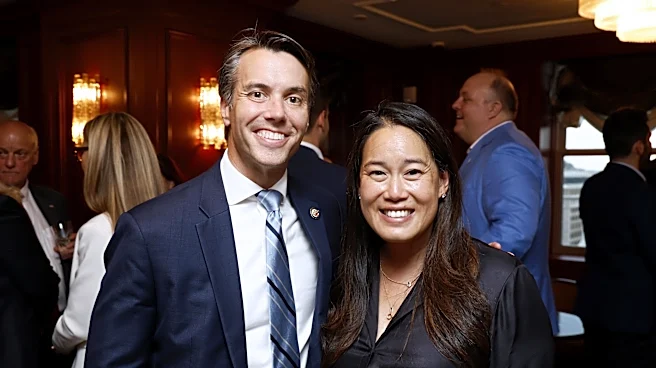
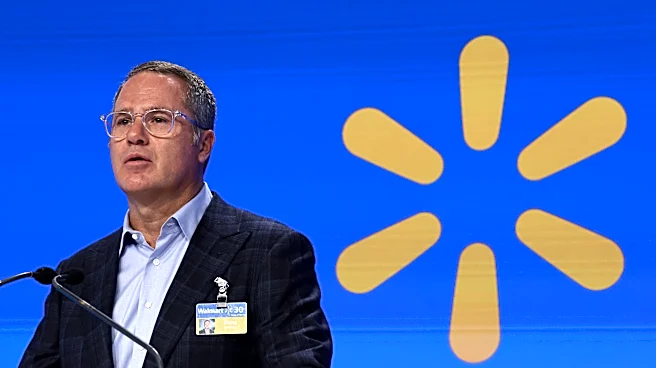
Doug McMillon retired as President and CEO of Walmart Inc. on January 31, 2026, after nearly 12 years in the top leadership position and over four decades with the company. John Furner succeeded him as CEO on February
1, 2026. McMillon will remain on Walmart's board of directors and serve in an advisory role to support the transition. McMillon began his career at Walmart in 1984 as a teenager unloading trucks. He steadily rose through the ranks, holding positions such as CEO of Sam's Club from 2005 to 2009 and CEO of Walmart International from 2009 to 2013 before becoming global CEO in 2014. During his tenure, McMillon focused on omnichannel transformation, investing billions in e-commerce, store automation, digital advertising, and supply chain improvements. He also implemented significant workforce initiatives, including raising starting hourly wages, expanding parental leave, and introducing college tuition benefits for employees. His leadership saw Walmart's stock surge over 400%, adding more than $576 billion in market capitalization.
Why It's Important?
McMillon's retirement marks a significant leadership transition for Walmart, one of the largest retailers globally. His strategic focus on integrating e-commerce with physical stores was crucial in enabling Walmart to compete effectively against online giants like Amazon. The investments made under his leadership in technology and supply chain modernization have positioned Walmart for continued growth in a rapidly evolving retail landscape. Furthermore, his initiatives to improve employee wages and benefits set a precedent within the retail sector, influencing labor practices across the industry. The transition to John Furner, who also previously served as CEO of Sam's Club, indicates a continuation of internal leadership development and a potential emphasis on leveraging talent from within the company's ecosystem. This leadership change will be closely watched by investors, competitors, and employees as Walmart navigates future challenges and opportunities in retail.
What's Next?
John Furner, as the new CEO, is expected to continue Walmart's strategic direction, likely building upon the omnichannel and technological advancements initiated by McMillon. Furner's previous experience leading Sam's Club, a division known for its operational efficiency and membership model, suggests a focus on optimizing customer experience and leveraging data-driven insights. The company will likely continue its investments in e-commerce, automation, and supply chain resilience to maintain its competitive edge. Stakeholders will be observing how Furner addresses ongoing challenges such as inflation, consumer spending shifts, and labor market dynamics. McMillon's continued presence on the board and in an advisory capacity will provide continuity and institutional knowledge during this transition period, ensuring a smooth handover of leadership responsibilities and strategic guidance for the company's future endeavors.
Beyond the Headlines
The leadership transition at Walmart reflects a broader trend in corporate America where long-serving CEOs, often internal lifers, pass the torch to a new generation of leaders who have grown within the company. This internal succession planning highlights the value of deep institutional knowledge and a consistent corporate culture. McMillon's tenure also underscored the increasing role of corporate leaders in addressing social and policy issues, as evidenced by his public stances on gun sales and economic policy. His approach to employee welfare, including wage increases and benefits, could influence broader discussions about corporate responsibility and the role of large employers in societal well-being. The ongoing evolution of Walmart under new leadership will serve as a case study for how established retail giants adapt to technological disruption, changing consumer behaviors, and evolving societal expectations, potentially shaping future retail strategies and corporate governance models.