




What's Happening?
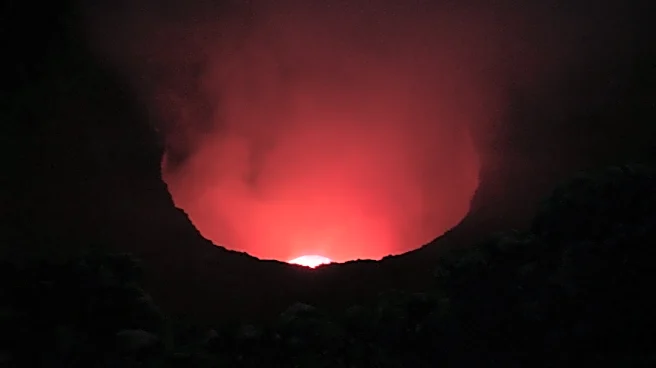
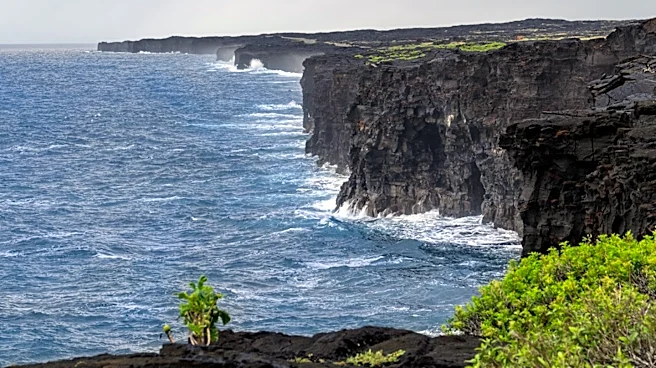
Hawaii's Big Island, the largest of the Hawaiian Islands, offers a diverse range of natural and historical attractions for visitors. Among the notable sites are Hawaii Volcanoes National Park, which encompasses 523 square miles and features active volcanoes
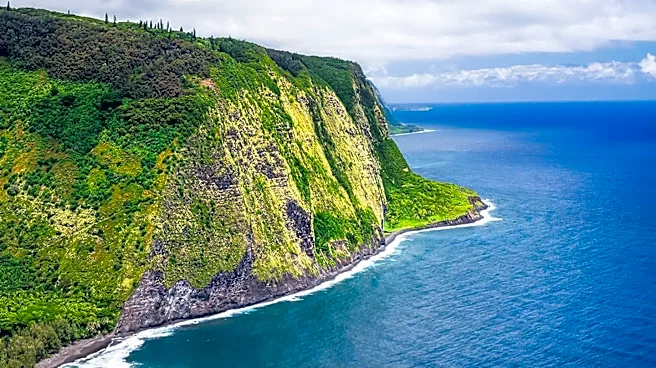
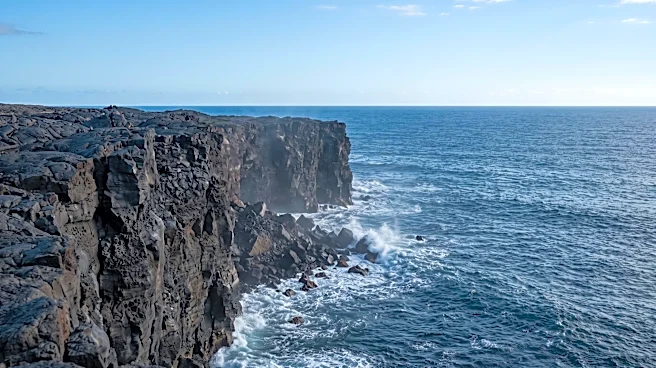
like Kilauea, ancient lava tubes, and petroglyphs. The park allows visitors to witness volcanic activity and explore varied landscapes from sea level to the summit of Mauna Loa. Another significant natural attraction is Pololū Valley, one of the seven valleys of Kohala Mountain, offering lush cliffs and a black-sand beach accessible by a mile-long trail. Additionally, 'Akaka Falls State Park showcases two impressive waterfalls, 'Akaka Falls and Kahuna Falls, amidst a rainforest setting. For beach enthusiasts, Waialea Beach (also known as Beach 69) is a protected Marine Life Conservation District known for snorkeling and potential sightings of sea turtles and whales. Historically, Pu'uhonua o Hōnaunau National Historical Park, or the 'City of Refuge,' provides insight into ancient Hawaiian culture with archaeological treasures, recreated statues of gods, and a sacred temple.
Why It's Important?
The diverse attractions on Hawaii's Big Island are crucial for the state's tourism industry, which is a significant driver of its economy. These sites not only draw visitors but also contribute to the preservation of Hawaii's unique natural environment and rich cultural heritage. Hawaii Volcanoes National Park, as an active volcanic site, offers a rare educational experience about geological processes and the formation of the islands, attracting scientists and tourists alike. The preservation of areas like Pololū Valley and 'Akaka Falls State Park highlights the importance of conserving natural landscapes and biodiversity. Historical sites such as Pu'uhonua o Hōnaunau National Historical Park play a vital role in educating the public about ancient Hawaiian laws, traditions, and spiritual beliefs, fostering a deeper appreciation for the indigenous culture. The designation of Waialea Beach as a Marine Life Conservation District underscores efforts to protect marine ecosystems, which are essential for both ecological balance and sustainable tourism.
What's Next?
The continued management and preservation of these natural and historical sites will be paramount for Hawaii's Big Island. Efforts will likely focus on sustainable tourism practices to manage visitor impact, maintain ecological integrity, and ensure the authenticity of cultural experiences. This includes managing crowd levels at popular spots like Pololū Valley and Hawaii Volcanoes National Park, as well as ongoing conservation work in marine protected areas like Waialea Beach. Educational programs at sites such as Pu'uhonua o Hōnaunau National Historical Park will continue to be developed to share Hawaiian history and culture with a broader audience. Infrastructure improvements, such as parking and trail maintenance, will also be necessary to accommodate visitors while minimizing environmental disruption. The ongoing monitoring of volcanic activity at Hawaii Volcanoes National Park will remain a critical aspect of visitor safety and park operations, adapting to natural changes as they occur.
Beyond the Headlines
The array of attractions on Hawaii's Big Island reflects a deeper narrative about the interplay between nature, culture, and human interaction. The island's geological youth and active volcanism symbolize constant creation and change, a powerful metaphor for life itself. The preservation of ancient petroglyphs and historical sites like the 'City of Refuge' speaks to the enduring legacy of Hawaiian civilization and its sophisticated social structures. The emphasis on protecting marine life and natural landscapes highlights a profound respect for the environment, deeply rooted in Hawaiian values. These sites are not merely tourist destinations but living classrooms that offer insights into ecological resilience, cultural continuity, and the delicate balance required for coexistence. The experience of visiting these places can foster a greater understanding of environmental stewardship and the importance of cultural heritage, encouraging visitors to reflect on their own relationship with the natural world and diverse human histories.