







What's Happening?
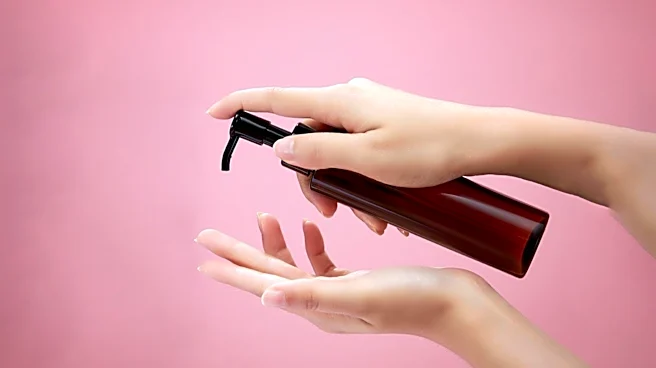
Aptar Beauty has partnered with L'Occitane En Provence to develop custom refillable dispensing pumps for L'Occitane's redesigned hand care packaging. These pumps are engineered to provide precise application and are part of a broader effort to extend
product life cycles and reduce waste. The new packaging, which draws inspiration from apothecary jars, is available in 350ml and 500ml formats made from either glass or plastic, and is designed for refilling. The tailored solution utilizes Aptar's Satine cosmetic pump, featuring a 24/410 screw-on neck finish for ample dispensing. The pump's enlarged collar and sizable actuator are designed to complement the bottle's proportions, and it is finished in a shiny black lacquer to maintain visual consistency with the product family. Manufacturing and decoration of these components occur at Aptar Beauty's Oyonnax plant, with final assembly at its Le Neubourg facility. This initiative follows other recent packaging innovations, including Amcor's new shaped standard bottle for beauty and personal care, and Dermalogica's adoption of Aptar's auto-loading dosing dropper for accurate and hygienic dispensing.
Why It's Important?
This collaboration signifies a growing trend in the beauty and personal care industry towards sustainable packaging solutions, driven by increasing consumer demand for eco-friendly products and reduced waste. The development of custom refillable pumps by Aptar Beauty for L'Occitane En Provence directly addresses environmental concerns by prolonging packaging lifespan and minimizing single-use plastic. This shift impacts manufacturers by requiring investment in new design and production capabilities for refillable systems, potentially leading to higher initial costs but also opening new market opportunities in the sustainable packaging sector. For consumers, it offers more environmentally conscious choices and potentially long-term cost savings through refilling. The broader implications include a potential reduction in plastic waste entering landfills and oceans, aligning with global sustainability goals. Companies that fail to adapt to these evolving consumer preferences and regulatory pressures for sustainable packaging may risk losing market share to more environmentally conscious competitors. This move also highlights the importance of design and engineering in creating functional yet aesthetically pleasing sustainable solutions.
What's Next?
The success of L'Occitane's refillable hand care line could encourage other beauty and personal care brands to adopt similar custom refillable dispensing solutions. This trend is likely to drive further innovation in packaging materials and dispensing technologies, focusing on durability, hygiene, and ease of refilling. We can anticipate increased investment in research and development for bio-based and recyclable materials suitable for refillable systems. Additionally, there may be a push for standardized refill pouch or bulk dispensing options to support a wider range of products and brands, making the refill process more convenient for consumers. Regulatory bodies might also introduce incentives or mandates for companies to transition towards refillable and reusable packaging, further accelerating this shift. The expansion of manufacturing capabilities for these specialized components, as seen with Aptar Beauty's dedicated facilities, will be crucial to meet the growing demand for sustainable packaging solutions across the industry.
Beyond the Headlines
The move towards refillable packaging, exemplified by Aptar Beauty and L'Occitane, represents a deeper cultural shift in consumer values, prioritizing sustainability and conscious consumption over convenience. This trend challenges the traditional linear economy model of 'take-make-dispose' and promotes a circular economy where resources are kept in use for as long as possible. Beyond the environmental benefits, this approach fosters a stronger brand-consumer relationship built on shared values and a commitment to reducing ecological footprint. It also encourages consumers to think more critically about their purchasing habits and the lifecycle of products. The ethical implications extend to corporate responsibility, pushing companies to integrate sustainability into their core business strategies rather than treating it as a peripheral concern. This could lead to a re-evaluation of supply chains, manufacturing processes, and product design across various industries, ultimately contributing to a more sustainable and responsible global marketplace. The aesthetic appeal of the redesigned packaging, drawing from apothecary jars, also suggests that sustainable products do not have to compromise on luxury or design, further encouraging broader adoption.