








What's Happening?
During the Austrian Grand Prix qualifying session, McLaren's performance was unexpectedly underwhelming, with drivers Lando Norris and Oscar Piastri finishing in sixth and seventh positions, respectively. This result was surprising given McLaren's strong
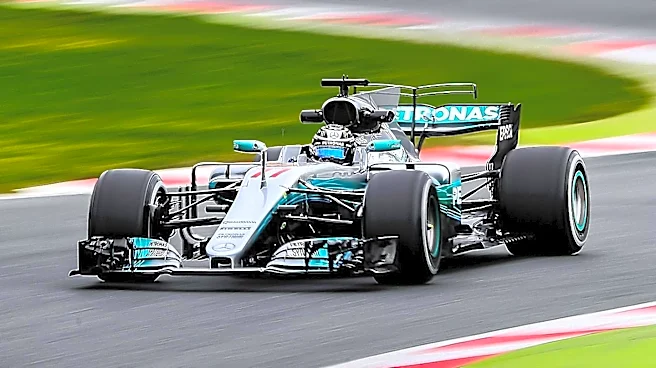
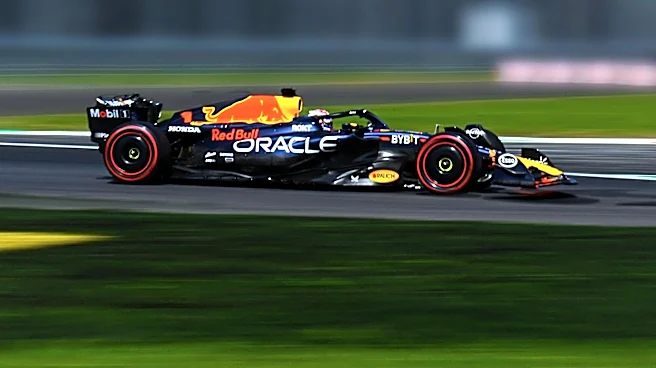
performance throughout the weekend, where they consistently placed in the top four during practice sessions. Both Norris and Piastri expressed that only an exceptional lap could have improved their positions, indicating that they were likely extracting the maximum potential from their cars. The qualifying session also saw George Russell of Mercedes securing pole position, while Max Verstappen of Red Bull faced challenges, including a crash that affected his final standing.
Why It's Important?
The results from the Austrian GP qualifying session highlight the competitive nature of Formula 1, where even minor misjudgments or technical issues can significantly impact outcomes. For McLaren, the results underscore the challenges of maintaining top performance levels consistently. The team's inability to capitalize on their strong practice performances could affect their strategy and morale. This situation also reflects the broader dynamics in the F1 circuit, where teams like Mercedes and Ferrari continue to demonstrate strong performances, while others like Red Bull face setbacks. The outcome of this qualifying session could influence team strategies and driver performances in the upcoming race.
What's Next?
As the race approaches, McLaren will need to reassess their strategies to improve their race-day performance. The team may focus on optimizing their car setups and race strategies to gain positions during the race. Additionally, other teams, such as Red Bull, will likely address technical issues that affected their qualifying results. The race will provide an opportunity for teams to demonstrate their adaptability and resilience in overcoming the challenges faced during qualifying. The performance in the race could also impact the championship standings, making it crucial for teams to perform well.