
What's Happening?
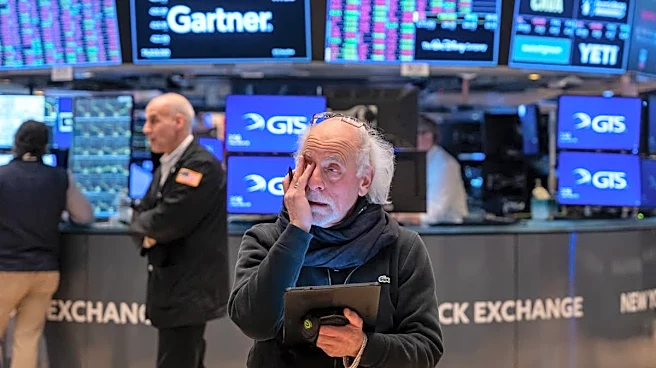
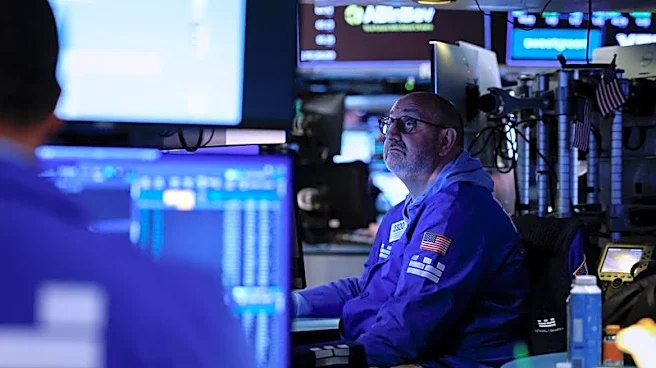
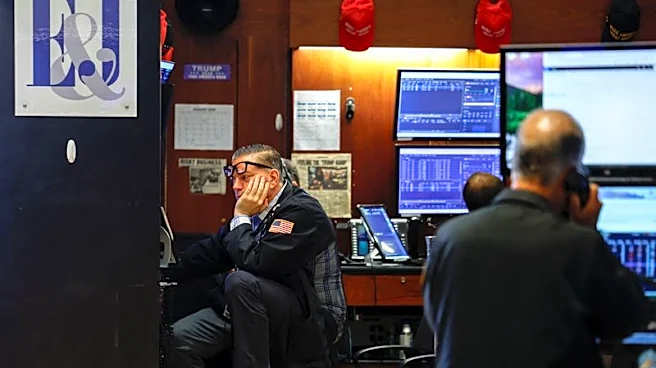
The Bureau of Labor Statistics released the July labor market report, revealing a loss of 23,000 jobs, which was significantly below expectations. Despite this, the unemployment rate decreased to 4.1%
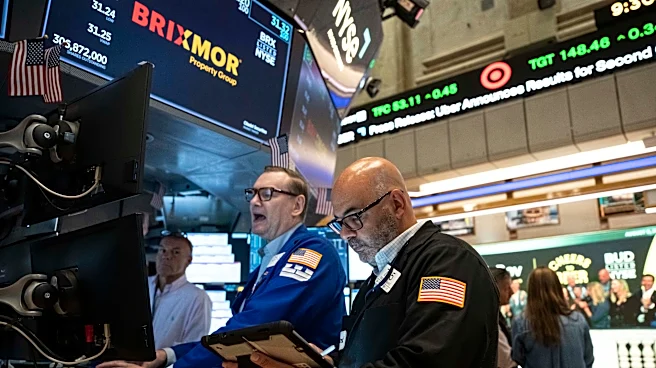
due to a drop in labor force participation. Jim Baird, chief investment officer at Plante Moran Financial Advisors, noted that the economy appears to be reverting to a 'no hire, no fire' state, reminiscent of 2025. The report has led to speculation that the Federal Reserve may not increase interest rates, providing a boost to the stock market. Major indices like the Dow, S&P 500, and Nasdaq saw gains, driven by tech stocks such as Nvidia, Microsoft, and Meta.
Why It's Important?
The unexpected job losses and the subsequent market reaction highlight the delicate balance the Federal Reserve must maintain between controlling inflation and supporting economic growth. The potential pause in rate hikes could lower borrowing costs, benefiting businesses and consumers. However, the weak job market could signal underlying economic issues that might affect consumer spending and overall economic health. The stock market's positive response suggests investor optimism, particularly in the tech sector, but it also underscores the volatility and uncertainty in economic forecasts.
What's Next?
The Federal Reserve's next steps will be closely watched, as any decision to hold or change interest rates will have significant implications for the economy. Investors and businesses will be monitoring upcoming economic data to gauge the health of the labor market and inflation trends. The tech sector, buoyed by recent gains, may continue to attract investment, but caution is advised as market conditions remain fluid.