




What's Happening?
On October 15, the Globalization, Identity, and U.S. Food Cultures class from Greenhill School visited the Texas State Fair to investigate how different ethnic groups' immigration has influenced Texas cuisine and broader U.S. food cultures. Upper School history
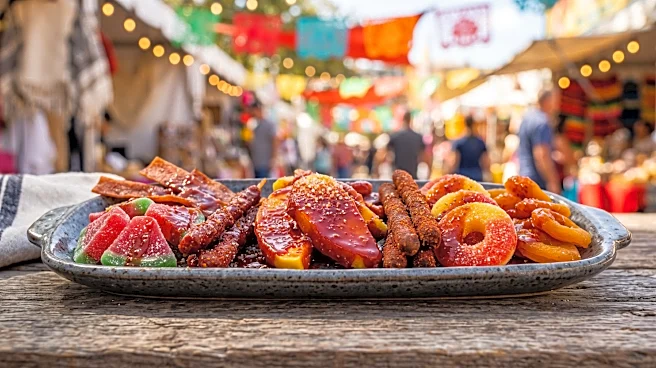
teacher Sidrah Khan, who proposed the class in 2022, designed the field trip to provide students with a first-hand experience of these cultural impacts. Students engaged with various exhibits, including an African American museum featuring a Nelson Mandela exhibit, and interacted with vendors. For instance, senior Taliana Berrelez and junior Nicholas Ramos connected with a street vendor, Mr. Picoso, over shared Hispanic roots and Latin American foods, particularly chamoy candies. The students were tasked with researching a specific food before the trip and then trying it at the fair, such as senior Geneva Smith-Kuzmich, who researched and purchased a fried Oreo.
Why It's Important?
This educational initiative is significant as it offers students a tangible and immersive way to understand the complex interplay between immigration, cultural identity, and food. By directly experiencing the diverse culinary landscape at the Texas State Fair, students can grasp how historical and ongoing immigration patterns have shaped American culture, particularly through its food. This approach moves beyond theoretical classroom learning, allowing students to see, taste, and interact with the subject matter, making the lessons more impactful and memorable. The personal connections made with vendors and the exploration of various cultural exhibits highlight the human element of globalization and immigration, fostering a deeper appreciation for diversity. This type of experiential learning can cultivate a more nuanced understanding of societal development and the contributions of different communities to the national fabric.
What's Next?
The insights gained from this field trip will likely be integrated into further classroom discussions and projects within the Globalization, Identity, and U.S. Food Cultures class. Students may be required to present their findings, write reflective essays, or conduct additional research based on their experiences at the fair. The success of this interactive approach could also encourage Greenhill School and other educational institutions to incorporate similar experiential learning opportunities into their curricula, particularly for subjects related to history, culture, and social studies. The class, which was reoffered in both fall and spring semesters, will continue to explore these themes, potentially leading to more field trips or community engagement activities that connect academic learning with real-world cultural phenomena.
Beyond the Headlines
Beyond the immediate educational benefits, this field trip underscores the role of cultural events like state fairs as living museums of societal evolution. These fairs, often seen as celebrations of regional identity, also serve as dynamic spaces where the influences of various immigrant groups are showcased through food, crafts, and entertainment. The class's focus on food as a lens for understanding immigration highlights its power as a cultural connector and a marker of identity. Food traditions often carry stories of migration, adaptation, and cultural fusion, offering a palatable entry point into complex historical narratives. This approach can foster empathy and cross-cultural understanding, demonstrating how diverse contributions enrich the collective experience and shape the evolving identity of a nation.