




What's Happening?
Adult guinea pigs are able to eat radishes, including both the root and the leafy green tops, in small quantities. Radishes should not be a daily food item but can be offered occasionally as part of a varied diet that primarily consists of hay, measured
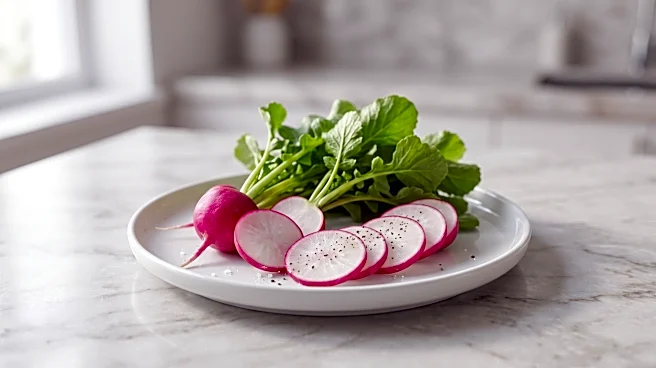
guinea pig pellets, and fresh water. While some guinea pigs might prefer the milder leaves over the peppery root, both parts are considered safe. It is crucial to serve radishes fresh, raw, and plain, avoiding pickled radishes or those prepared with salt, oil, vinegar, or other seasonings. Owners should wash the root and leaves thoroughly, trim any damaged parts, and slice the root into thin pieces before serving. Leftovers should be removed within a few hours to prevent spoilage.
Why It's Important?
Introducing new foods, even safe ones like radishes, into a guinea pig's diet requires careful monitoring. Overconsumption of radishes can lead to digestive issues such as gas, bloating, or soft stool, particularly if the guinea pig is not accustomed to them. Pet owners are advised to consult with their veterinarian before making any changes to their pet's diet. Recognizing signs of distress, such as soft stool, gas, reduced eating, fewer droppings, low energy, hunching, or teeth grinding, is critical. These symptoms could indicate serious conditions like GI stasis, which requires immediate veterinary attention. Additionally, if a guinea pig consumes radishes prepared with toxic ingredients like garlic or onion, prompt veterinary consultation or contact with a pet poison helpline is necessary.
What's Next?
Guinea pig owners should continue to offer a balanced diet with hay as the primary component. When introducing radishes or any new vegetable, it should be done gradually and in small amounts to observe the guinea pig's reaction. If a guinea pig overeats radishes, owners should remove any remaining portions and temporarily withhold other treats, ensuring access to hay and fresh water. Close observation for any signs of digestive upset is recommended. In cases of persistent or severe symptoms, immediate veterinary care is essential to address potential health complications.
Beyond the Headlines
The careful approach to guinea pig nutrition highlights a broader principle in pet care: the importance of species-specific dietary knowledge and the potential risks associated with human foods. While some human foods are safe for pets in moderation, others can be toxic or cause digestive upset. This underscores the need for pet owners to research and understand the nutritional requirements and sensitivities of their specific animals. The emphasis on fresh, plain, and properly prepared foods also reflects a general best practice in animal husbandry, aiming to prevent health issues that can arise from processed ingredients or contaminants.