










What's Happening?
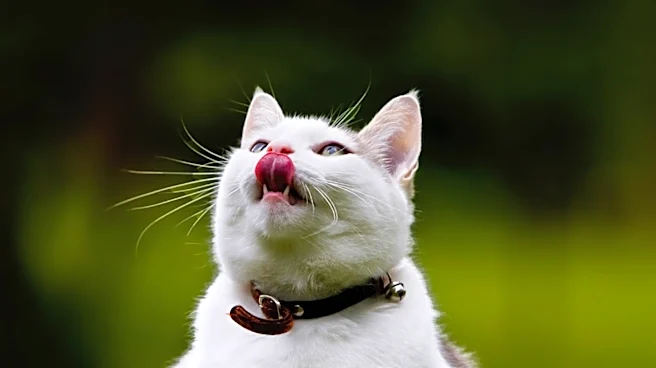
Two U.S. biotech companies, Akston Biosciences and OKAVA Pharmaceuticals, are conducting early-stage clinical trials to test GLP-1 weight-loss treatments for overweight cats. This initiative marks one of the first attempts to adapt a drug class, already
popular for human obesity and diabetes, for use in veterinary medicine. Akston is sponsoring a study at Cornell University to evaluate a weekly GLP-1 therapy, while OKAVA is testing a long-acting implant designed to deliver medication continuously for up to six months. These trials aim to address the growing issue of pet obesity, with 61% of cats and 59% of dogs in the U.S. classified as overweight or obese in 2022. The studies are part of a broader trend in pet care, where owners are increasingly investing in premium food, supplements, and veterinary treatments.
Why It's Important?
The development of weight-loss drugs for pets could significantly impact the $200 billion U.S. pet economy, which is shifting from premiumization to medicalization. As pet obesity becomes a more pressing issue, these drugs could offer a new solution for managing weight in pets, particularly cats, which are harder to exercise and medicate. The potential success of these drugs could open new markets for biotech companies and reshape spending patterns in pet care. However, the cost of veterinary medicine, which is largely out-of-pocket, may limit the widespread adoption of such treatments. The initiative also highlights a growing focus on preventive health care in pets, with companies like Nestlé investing in nutrition products aimed at extending healthy lifespans.
What's Next?
The clinical trials by Akston and OKAVA are expected to release top-line results later this year. If successful, these treatments could become part of a broader healthcare ecosystem for pets, including structured weight-management programs and therapeutic nutrition. However, the commercial success of pet GLP-1 drugs remains uncertain, as they may not replicate the penetration and pricing of human obesity drugs. The industry is likely to see continued growth in areas like diagnostics and therapeutic nutrition, with companies like Nestlé and Zoetis poised to benefit from these trends.
Beyond the Headlines
The exploration of GLP-1 drugs for pets reflects a larger cultural shift towards viewing pets as family members, deserving of advanced medical care. This trend is driving innovation in pet health, with implications for ethical considerations around animal welfare and the commercialization of pet care. As the industry evolves, it may also influence regulatory frameworks and the development of new veterinary practices.