






What's Happening?
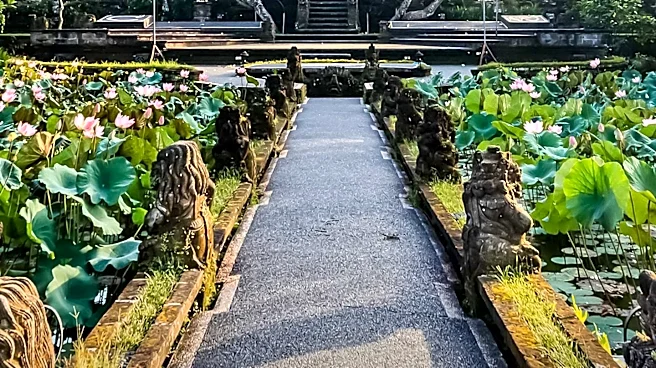
Ubud, located in Bali, Indonesia, is recognized as the island's cultural heart, offering a diverse range of attractions and activities. The town is characterized by its numerous temples, traditional craft villages, and expansive rice fields, which are
easily accessible from the town center. Ubud boasts a vibrant food scene, with options ranging from local warungs to upscale restaurants overlooking rice paddies, and is particularly noted for its abundance of plant-based and vegetarian-friendly establishments. The area is also a prominent center for yoga and wellness, featuring numerous studios that offer various classes, teacher trainings, and retreats. Visitors can engage in activities such as walking the Campuhan Ridge, exploring the Sacred Monkey Forest Sanctuary, and experiencing traditional Balinese performances like the Kecak Fire Dance. The town's name, derived from 'ubad' (Balinese for medicine), reflects its historical connection to healing herbs and its ongoing appeal as a destination for personal transformation and well-being.
Why It's Important?
Ubud's significance lies in its role as a cultural and spiritual anchor in Bali, attracting a global audience seeking authentic Indonesian experiences and wellness pursuits. Its thriving tourism sector supports local economies through craft industries, hospitality, and traditional arts. The emphasis on plant-based cuisine and yoga positions Ubud as a leader in health and wellness tourism, influencing dietary trends and lifestyle choices among visitors. The preservation of its natural landscapes, such as the rice terraces and sacred forests, highlights the importance of sustainable tourism and cultural heritage. Ubud's popularity also contributes to the global appreciation of Balinese culture, art, and spiritual practices, fostering cross-cultural understanding and exchange. The town's unique blend of tradition and modern wellness offerings makes it a model for destinations aiming to balance economic development with cultural and environmental preservation.
What's Next?
Ubud is expected to continue its growth as a premier destination for cultural immersion and wellness tourism. The ongoing development of new accommodations, restaurants, and wellness centers will likely cater to an increasing number of visitors. Efforts to manage tourism impact, such as promoting responsible travel and supporting local communities, will be crucial for maintaining the town's unique charm and ecological balance. The expansion of specialized retreats and workshops in areas like yoga, meditation, and traditional Balinese arts is also anticipated. Furthermore, as global interest in sustainable and mindful travel grows, Ubud is well-positioned to attract travelers seeking more profound and enriching experiences beyond conventional sightseeing. Local authorities and businesses will likely focus on enhancing infrastructure while preserving the town's authentic character and natural beauty.
Beyond the Headlines
Beyond its immediate appeal, Ubud represents a fascinating intersection of tradition and modernity, where ancient spiritual practices coexist with contemporary wellness trends. This dynamic creates a unique cultural ecosystem that influences both local life and global perceptions of Bali. The town's commitment to arts and crafts, passed down through generations, underscores the enduring value of artisanal skills in a rapidly modernizing world. Ethically, Ubud's popularity raises questions about the balance between economic benefit from tourism and the potential for cultural commodification or environmental strain. The town serves as a case study for how a destination can leverage its cultural and natural assets to create a thriving tourism industry while striving to maintain its authenticity and ecological integrity. Its success also highlights a growing global desire for experiences that offer personal growth, spiritual connection, and a deeper engagement with local cultures.