





What's Happening?
Dining out can be challenging for individuals avoiding gluten, such as those with celiac disease or gluten sensitivity, due to concerns about ingredients and cross-contamination. However, a growing number of restaurants across the U.S. are now offering
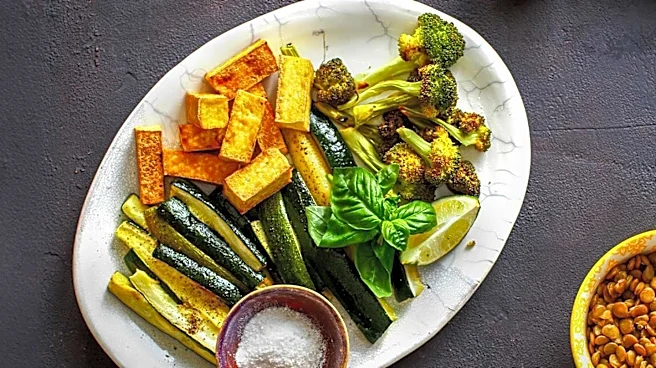
entirely gluten-free kitchens or dedicated gluten-free menus. These establishments provide peace of mind and a wide array of delicious and safe options, ranging from unique dishes like sushi-rice 'Arancini' Rice Balls and Green Garden Vermicelli to traditional Mexican fare like chimichangas. This trend allows gluten-free diners to enjoy meals without the constant vigilance typically required.
Why It's Important?
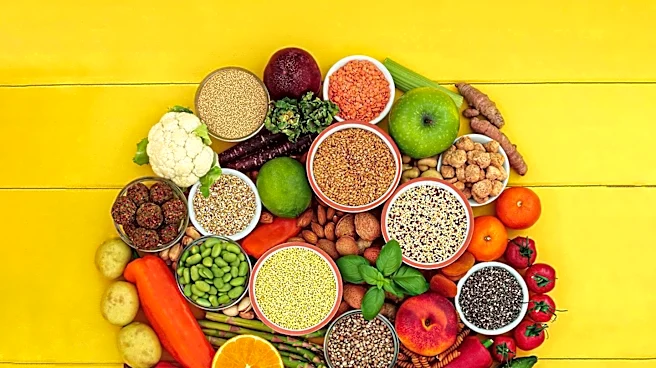
The expansion of dedicated gluten-free dining options is crucial for the health and well-being of a significant portion of the U.S. population. Celiac disease affects approximately 1 in 100 people worldwide, and many more experience gluten sensitivity. The availability of safe dining experiences improves quality of life, reduces anxiety associated with eating out, and prevents potential health complications from accidental gluten exposure. For the restaurant industry, catering to this demographic opens up a substantial market segment, fostering inclusivity and demonstrating a commitment to diverse dietary needs. It also encourages innovation in gluten-free cuisine, pushing the boundaries of what is possible and delicious.
What's Next?
The increasing demand for gluten-free options is likely to drive further innovation and expansion in the U.S. restaurant industry. More establishments may transition to entirely gluten-free kitchens or implement stricter protocols to prevent cross-contamination. This could lead to a wider variety of gluten-free dishes becoming standard on menus, moving beyond basic salads to more complex and culturally diverse offerings. Consumers can expect to see more restaurants proudly advertising their gluten-free certifications and practices. This trend may also influence food manufacturers to develop more high-quality gluten-free ingredients and products for both home cooks and professional kitchens.
Beyond the Headlines
Beyond the immediate convenience, the rise of dedicated gluten-free restaurants signifies a broader societal shift towards greater awareness and accommodation of dietary restrictions. It reflects a growing understanding of food as medicine and the impact of diet on overall health. This movement challenges traditional culinary norms and encourages chefs to think creatively about ingredients and preparation methods. It also fosters a sense of community among gluten-free individuals, providing spaces where they can dine without fear or feeling marginalized. This inclusivity extends beyond just celiac disease, setting a precedent for accommodating other dietary needs and promoting a more health-conscious food culture.