





What's Happening?
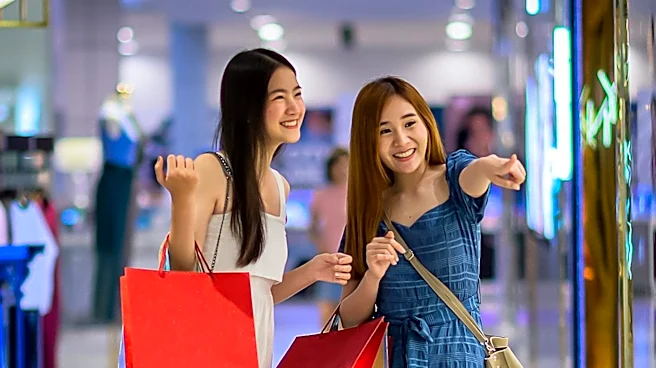
Gen Z is at the forefront of the 'dupe' culture, a trend where consumers purchase lower-priced alternatives that mimic high-end luxury items. This phenomenon, initially a Gen Z obsession, has become a mainstream shopping trend, particularly amplified
by social media platforms like TikTok. Dupes are products that offer a similar experience to luxury items without claiming to be the original brand. This trend is prevalent across various sectors, including beauty, fashion, homeware, and fragrances. Consumers, especially young adults, openly share and brag about finding good deals on dupes, often preferring them over original luxury items due to strained household finances and the perceived value. Retailers like Quince have capitalized on this by offering upmarket products at significantly lower prices compared to luxury brands.
Why It's Important?
The 'dupe' culture significantly impacts the retail and luxury markets by shifting consumer spending habits and challenging brand loyalty. For luxury brands, this trend poses a threat to their exclusivity and pricing power, as consumers increasingly find satisfactory alternatives at a fraction of the cost. This forces luxury brands to re-evaluate their value proposition and marketing strategies to justify higher prices. For retailers offering dupes, it presents a substantial market opportunity, allowing them to attract price-sensitive consumers looking for affordable luxury. The rise of dupes also highlights the influence of social media on consumer behavior, where viral trends and influencer recommendations can rapidly drive product demand. This trend could lead to increased competition in various product categories, pushing brands to innovate or lower prices to remain competitive.
What's Next?
The 'dupe' culture is expected to continue its growth, potentially expanding into more product categories and influencing how brands develop and market their offerings. With the continued adoption of AI tools, consumers may increasingly use chatbots to find cheaper alternatives to luxury items, further accelerating the trend. Luxury brands will likely intensify their efforts to protect their intellectual property, as seen with past copyright cases against dupe manufacturers. They may also focus more on unique brand experiences, sustainability, or bespoke services to differentiate themselves from cheaper alternatives. Retailers specializing in dupes are poised for further expansion, potentially leading to more direct competition with established luxury brands. The legal landscape around intellectual property and brand imitation may also evolve as this trend gains more traction.
Beyond the Headlines
The 'dupe' culture reflects broader societal values and economic pressures. It signifies a shift in consumer priorities, where practicality and value often outweigh brand prestige, especially among younger generations facing economic uncertainties. Ethically, while dupes do not claim to be the original, they operate in a grey area that blurs the lines between inspiration and imitation, raising questions about originality and fair competition. Legally, brands face challenges in protecting their designs and 'get-up' beyond just their names, as consumers increasingly prioritize aesthetics and perceived quality over brand authenticity. Culturally, the trend democratizes access to luxury aesthetics, making aspirational lifestyles more attainable for a wider audience. This could lead to a redefinition of luxury itself, moving away from exclusivity towards more accessible, value-driven consumption patterns.