

What's Happening?
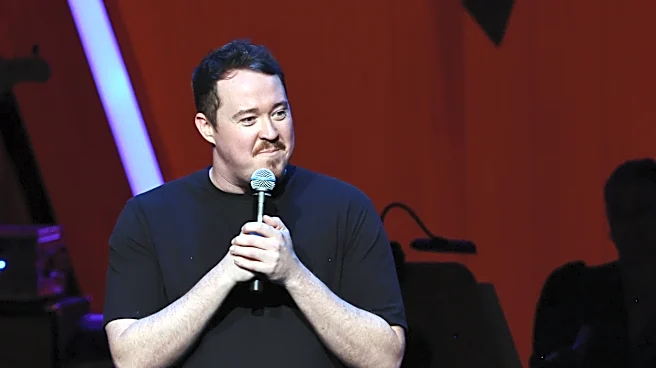
Comedian Shane Gillis has drawn criticism for his appearances on 'Saturday Night Live' (SNL), according to Far Out Magazine. During a skit based on Dr. Seuss's 'Green Eggs and Ham,' Gillis reportedly uttered an expletive, subsequently apologizing to the
audience and producers. Additionally, his opening monologue sparked controversy, with some viewers deeming it misogynistic due to a joke about women 'dressing like whores' at the gym. SNL, a long-running American television institution since 1975, has a history of generating cultural debates through its often provocative and satirical content. The show, created by Lorne Michaels, aims to reflect American society and media, frequently leaning into controversial subjects. While SNL is known for its comedic takes on various topics, not all sketches resonate as intended, sometimes leading to public backlash and discussions about political correctness.
Why It's Important?
The controversies surrounding Shane Gillis's SNL appearances highlight the ongoing tension between comedic freedom and public sensitivity in American entertainment. SNL, as a flagship American television program, often serves as a barometer for cultural norms and acceptable discourse. Incidents like Gillis's f-bomb and perceived misogynistic jokes can trigger broader conversations about the boundaries of humor, the role of comedians in society, and the responsibilities of major media platforms. For SNL, such events can impact its reputation, viewership, and relationships with advertisers, as the show navigates the delicate balance of being edgy and entertaining without alienating significant portions of its audience. These controversies also underscore the power of social media and public opinion in shaping the careers of entertainers and the content produced by television networks.
What's Next?
While the immediate aftermath of Shane Gillis's controversial SNL moments has passed, the broader implications for comedians and television networks regarding content standards are likely to persist. SNL will continue its cycle of rotating cast members and hosts, and the show's producers will likely remain vigilant in balancing provocative humor with audience expectations. Future hosts and writers may face increased scrutiny, potentially leading to more cautious approaches to comedic material, especially concerning sensitive topics. The entertainment industry as a whole may see continued discussions and evolving guidelines regarding what constitutes acceptable humor in a rapidly changing cultural landscape, influenced by public feedback and social media reactions.
Beyond the Headlines
The incidents involving Shane Gillis on SNL delve into deeper societal questions about freedom of speech, the evolving nature of comedy, and the impact of cultural shifts on entertainment. The show's history is replete with instances of pushing boundaries, from early controversies like Chevy Chase's racial slur to more recent debates on political correctness. This ongoing dynamic reflects a continuous negotiation between artistic expression and societal values. The public's reaction to Gillis's jokes also underscores the increasing demand for accountability from public figures and media organizations, particularly in an era where content can be instantly disseminated and critiqued globally. This trend suggests a future where entertainment content will be subject to even greater scrutiny, potentially leading to more self-censorship or, conversely, a more deliberate embrace of controversial themes by creators seeking to challenge norms.