








What's Happening?
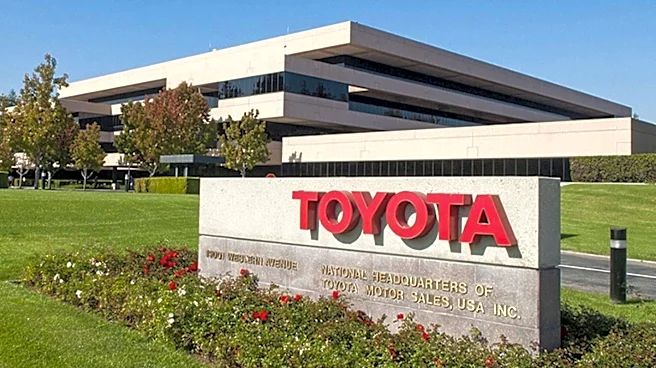
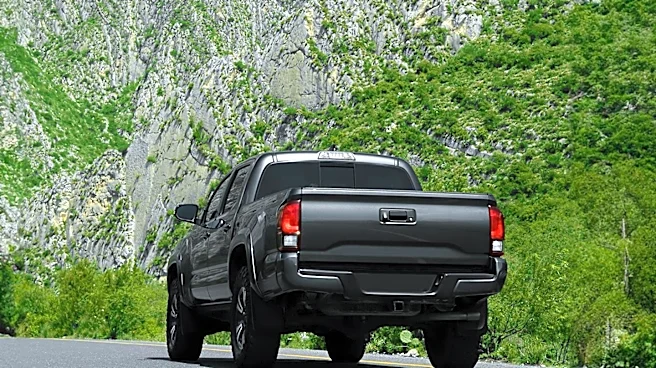
Toyota Motor North America has announced a significant investment of $3.6 billion to expand its manufacturing operations in Texas. This strategic move involves shifting the production of its mid-size Tacoma pickup truck from Mexico to the United States.
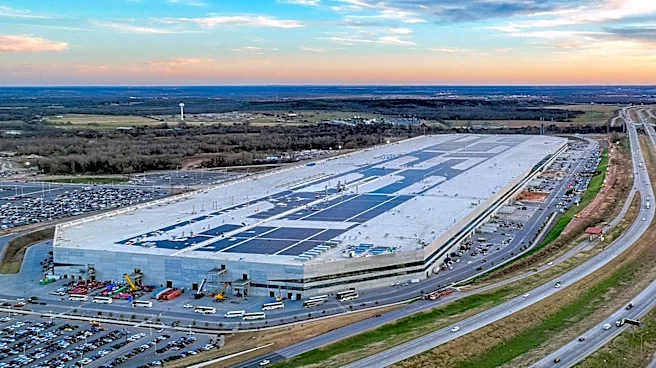
The expansion will include the construction of a second assembly line at Toyota's San Antonio plant, which is expected to increase the facility's annual production capacity by 150,000 units. This development is set to create over 2,000 jobs and is part of Toyota's broader plan to invest $10 billion in the U.S. over the next five years. The decision comes in the wake of the U.S. government's decision not to renew a North American trade pact with Mexico and Canada, creating uncertainty for businesses operating under the existing trade agreements.
Why It's Important?
This investment by Toyota is significant for several reasons. Firstly, it reflects a broader trend among automakers to relocate production to the United States, driven by rising tariffs on vehicles and other goods imported from Mexico. This move is likely to bolster the U.S. automotive industry by increasing domestic production capacity and creating jobs. Additionally, it underscores the impact of trade policies on corporate strategies, as companies seek to mitigate risks associated with international trade agreements. The expansion of the San Antonio plant will not only enhance Toyota's production capabilities but also strengthen its competitive position in the U.S. market.
What's Next?
The new assembly line at the San Antonio plant is expected to become operational by 2030. As Toyota and other automakers continue to adjust their production strategies in response to trade policies, further investments in U.S. manufacturing facilities may be anticipated. Stakeholders, including local governments and industry groups, are likely to monitor these developments closely, as they could influence future economic and employment trends in the region.