








What's Happening?
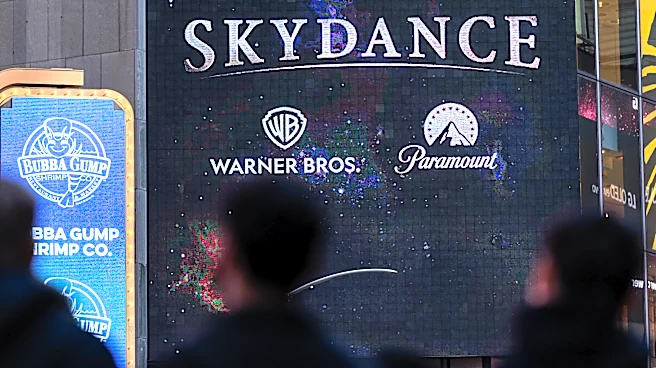
One of Hollywood's largest media mergers has officially concluded, with Paramount Skydance completing its acquisition of Warner Bros. Discovery. The combined entity will now operate under the name Skydance. The transaction, valued at approximately $110
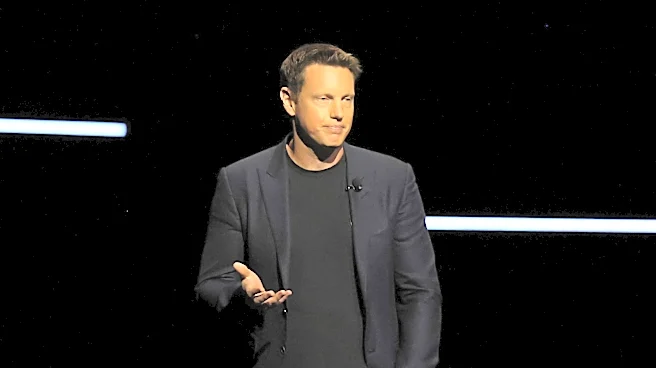
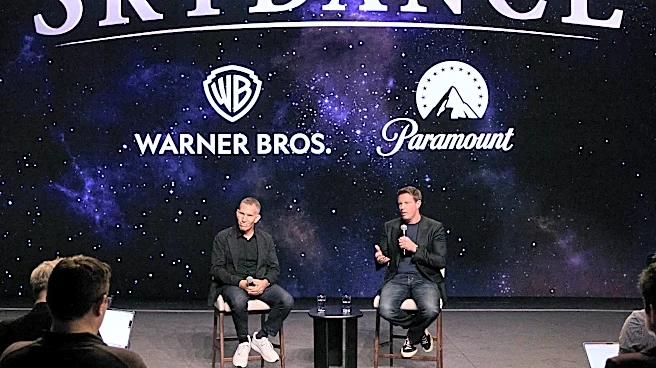
billion including debt, closed on Tuesday morning, October 6, 2026, as previously announced. David Ellison, Chairman and CEO of Skydance, marked the completion with a statement, declaring it a 'new day' for the company. This merger brings together an extensive portfolio of entertainment assets, including Paramount Pictures, Warner Bros. Pictures, DC Studios, HBO, CNN, CBS, Paramount+, HBO Max, and numerous cable networks, along with major franchises such as Harry Potter, DC, Game of Thrones, Mission: Impossible, Top Gun, Star Trek, and The Lord of the Rings. Shares of the newly combined company will trade on the New York Stock Exchange under the ticker SKYD.
Why It's Important?
This merger creates a new entertainment giant, significantly reshaping the U.S. media landscape. The consolidation of such vast intellectual property and distribution channels under one corporate parent, Skydance, has profound implications for competition, content creation, and consumer choice. For the entertainment industry, it means fewer major players, potentially leading to shifts in production strategies, talent deals, and streaming service offerings. Consumers may see changes in how content is bundled, priced, and accessed across various platforms. The sheer scale of Skydance's combined assets could enable it to invest more heavily in new productions, but also raises concerns about market dominance and potential reductions in diverse content. The integration of these two massive companies will be a complex undertaking, impacting thousands of employees and numerous stakeholders across the film, television, and streaming sectors.
What's Next?
With the merger officially closed, David Ellison and his leadership team, including co-CEO Ynon Kreiz, will now focus on the enormous task of integrating the studios, streaming businesses, television operations, and corporate infrastructures of Paramount and Warner Bros. Discovery. This integration process will involve streamlining operations, consolidating resources, and making strategic decisions about content development and distribution. There will likely be further executive appointments and departures as the new organizational structure takes shape. The company will also need to address the concerns raised during the merger process, such as potential impacts on competition and employment. The market will closely watch how Skydance leverages its expanded portfolio to compete with other major media conglomerates and how it navigates the evolving landscape of streaming and traditional media.
Beyond the Headlines
The successful completion of this merger, despite months of opposition from Hollywood unions, state attorneys general, and celebrities, highlights the powerful forces driving consolidation in the media industry. The Department of Justice's decision to close its investigation, finding no likely harm to competition, and the settlement of state lawsuits, underscore the challenges in regulating such large-scale transactions. This event could set a precedent for future media mergers, indicating a regulatory environment that may be more permissive of consolidation. The long-term implications include potential shifts in creative control, the types of stories being told, and the overall diversity of voices in mainstream media. The new Skydance era represents a significant moment in the ongoing evolution of Hollywood and the broader entertainment ecosystem, with potential cultural and economic ripple effects for years to come.