




What's Happening?
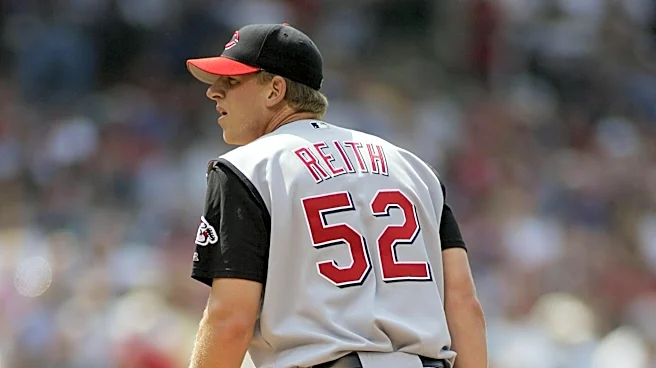
The Minnesota Twins have announced significant changes to their coaching and support staff, hiring Brian Reith as their new pitching coach and Ben Myers as an assistant athletic trainer. Reith, 48, joins the Twins after spending five seasons as the pitching coach for
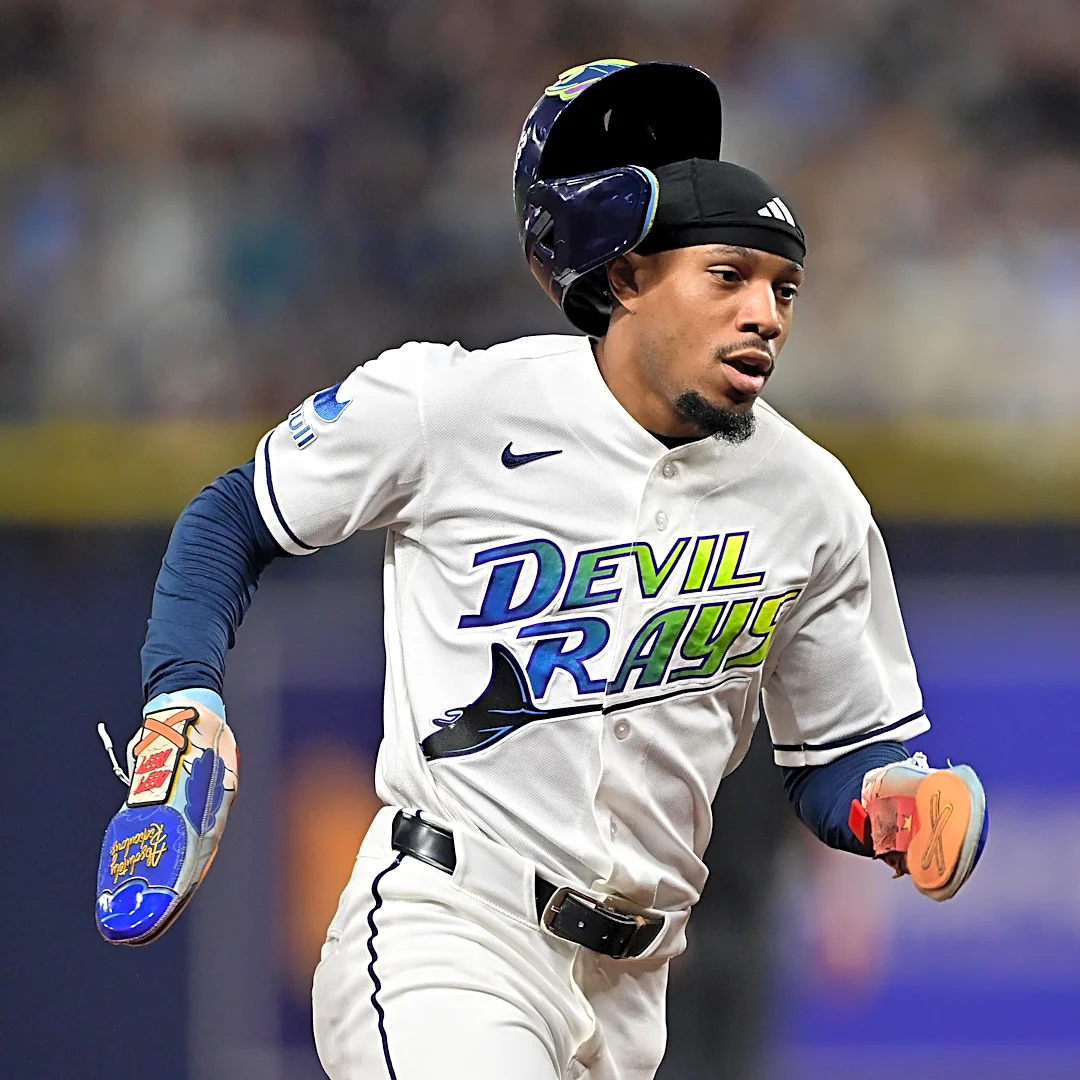
the Durham Bulls, the Triple-A affiliate of the Tampa Bay Rays. His experience also includes various roles within the Rays' organization at lower minor league levels and a brief major league playing career with the Cincinnati Reds. This appointment follows the Twins' decision to part ways with former pitching coach Pete Maki and assistant pitching coach Luis Ramirez after a season where the team posted a cumulative earned-run average of 4.56, ranking 25th out of 30 major league teams. General Manager Jeremy Zoll and Manager Derek Shelton emphasized the need for fresh perspectives within the pitching coach group. Ben Myers, who has been with the organization for eight seasons, most recently as the trainer for the Triple-A St. Paul Saints, will replace Jason Kirkman as assistant athletic trainer.
Why It's Important?
These staffing changes signal a strategic effort by the Minnesota Twins to revitalize their pitching performance and overall team health. The hiring of Brian Reith, with his extensive experience in player development within a successful organization like the Tampa Bay Rays, suggests a focus on improving pitching mechanics, strategy, and talent cultivation. Given the Twins' previous season's pitching struggles, a new approach is critical for competitive improvement. The emphasis on 'fresh voices' indicates a desire for innovative methods and a potential shift in coaching philosophy. Similarly, the promotion of Ben Myers to assistant athletic trainer underscores the organization's commitment to player well-being and injury prevention, which are paramount for sustained success in professional sports. Effective athletic training can minimize downtime for key players and ensure optimal physical condition, directly impacting team performance and financial investments in player contracts. These moves reflect a broader organizational strategy to enhance both on-field performance and player support systems.
What's Next?
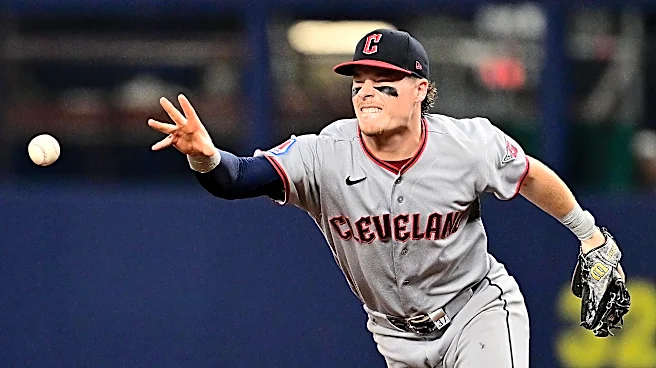
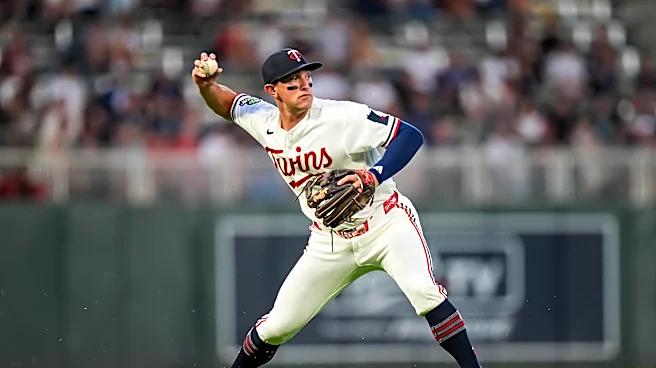
Brian Reith will immediately begin working with the Twins' pitching staff to implement new strategies and development plans, aiming to improve the team's earned-run average and overall pitching effectiveness. His focus will likely be on individual pitcher development, game-day strategy, and integrating with the existing coaching staff, including bullpen coach LaTroy Hawkins. Ben Myers will assume his new responsibilities as assistant athletic trainer, focusing on player health, rehabilitation, and injury prevention protocols. The Twins will continue their offseason activities, which may include further personnel changes or player acquisitions, all aimed at building a more competitive roster for the upcoming season. The performance of the pitching staff under Reith's guidance will be closely watched as a key indicator of the success of these organizational changes. Brooks Lee, a Gold Glove Award finalist at third base, will also continue to be a key player to watch.
Beyond the Headlines
The decision to replace coaching staff members, particularly after a season of underperformance, highlights the high-stakes nature of professional sports management. It reflects the constant pressure on teams to innovate and adapt to maintain a competitive edge. The Twins' move to bring in a coach from a different organization, especially one known for its pitching development like the Rays, suggests an acknowledgment of external best practices and a willingness to learn from other successful models. This also speaks to the evolving science of pitching, where analytics and specialized coaching techniques play an increasingly vital role. Furthermore, the emphasis on athletic training staff underscores the growing understanding of sports science and player longevity in modern athletics. These changes are not just about individual roles but represent a broader organizational commitment to continuous improvement and strategic investment in human capital, both on and off the field.