






What's Happening?
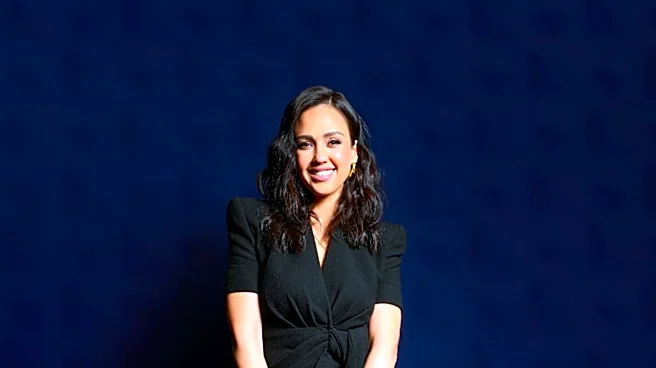
Celebrity trainer Ramona Braganza, who has worked with Jessica Alba, Halle Berry, and Zac Efron, is emphasizing three simple at-home tests to assess an individual's aging process. These tests focus on strength, balance, and functional fitness, requiring
no specialized equipment or expensive assessments. Braganza, 64, advocates for a holistic approach to longevity, stressing the importance of consistent physical activity, progressive strength training, mindful sugar intake, and continuous engagement with one's body as it changes. The three tests include a 30-second sit-to-stand challenge, a single-leg balance test aiming for 30 seconds or more, and a dead hang to measure grip and upper-body strength. These exercises are designed to evaluate crucial physical capabilities that tend to decline with age, impacting daily life and overall health.
Why It's Important?
These simple longevity tests offer a practical and accessible way for individuals to monitor their physical health and identify potential areas for improvement, which is crucial for maintaining independence and quality of life as they age. The ability to perform well in these tests is linked to reduced risks of falls, improved mobility, and even lower mortality rates, according to research cited in the context of the tests. For instance, poor chair-stand performance has been associated with a 36% higher risk of death from any cause, and inability to balance on one leg for 10 seconds linked to an 84% higher risk of all-cause mortality. Strong grip strength, assessed by the dead hang, is also a recognized indicator of overall health and longevity. By providing a baseline and encouraging regular self-assessment, these tests empower individuals to take proactive steps in their fitness journey, potentially mitigating age-related health issues and promoting a more active and fulfilling later life.
What's Next?
Individuals can incorporate these tests into their regular fitness routines to track their progress and identify areas needing attention. Braganza's approach suggests a continued focus on foundational fitness principles: walking, progressive lifting, and consistent engagement. The emphasis on accessible, at-home assessments means more people can regularly check their physical markers without needing professional guidance or specialized facilities. This could lead to a broader public awareness of the importance of functional fitness and balance in healthy aging. The ongoing research into the correlation between these physical markers and longevity will likely continue to reinforce the value of such simple, yet effective, self-assessments, potentially influencing public health recommendations and personal fitness goals.
Beyond the Headlines
The focus on these simple, accessible tests highlights a growing trend in health and wellness towards preventative and self-managed care. It underscores the idea that longevity isn't solely about extending life but enhancing its quality through sustained physical capability. This approach challenges the notion that aging inevitably leads to decline, instead promoting an active and adaptable mindset. The ethical implication is that individuals are encouraged to take greater personal responsibility for their health outcomes, moving beyond reliance on medical interventions alone. Culturally, it could foster a greater appreciation for functional fitness over purely aesthetic goals, shifting societal perceptions of what it means to age well. The legal dimension is less direct, but a healthier, more active aging population could reduce the strain on healthcare systems, potentially influencing policy discussions around elder care and public health funding.