







What's Happening?
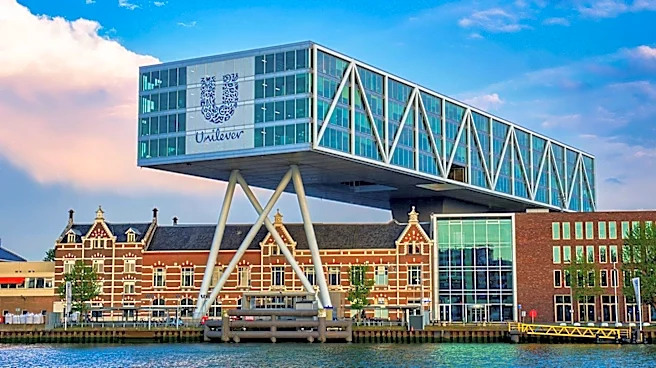
Terry Smith, a former shareholder of Unilever, has accused the company of misleading its shareholders regarding its merger with McCormick & Company, Inc. Smith, who recently divested his stake in Unilever, claims that the company had previously assured
investors there would be no major disposals following the demerger of its ice cream business in 2025. The merger, which aims to create a combined entity with $20 billion in annual revenues, has been linked to the influence of activist investor Nelson Peltz. Unilever defends the merger as a strategic move to create two focused businesses, but Smith questions the management's decision-making and the influence of short-term activist investors.
Why It's Important?
The merger between Unilever and McCormick represents a significant shift in the food industry, potentially creating a major player in the global market. However, the controversy surrounding the deal highlights the tension between long-term strategic planning and the influence of activist investors. For Unilever, the merger is part of a broader strategy to streamline its operations and focus on core areas. The outcome of this merger could set a precedent for how large corporations handle shareholder expectations and activist pressures, impacting future corporate governance and strategic decisions in the industry.
What's Next?
As the merger progresses, Unilever will need to address shareholder concerns and demonstrate the strategic benefits of the deal. The company plans to finalize the merger by mid-2027, which will require navigating regulatory approvals and potential opposition from stakeholders. The response from the market and other shareholders will be crucial in determining the success of the merger. Additionally, the role of activist investors like Nelson Peltz in shaping corporate strategies will continue to be a topic of debate, influencing future mergers and acquisitions.