




What's Happening?
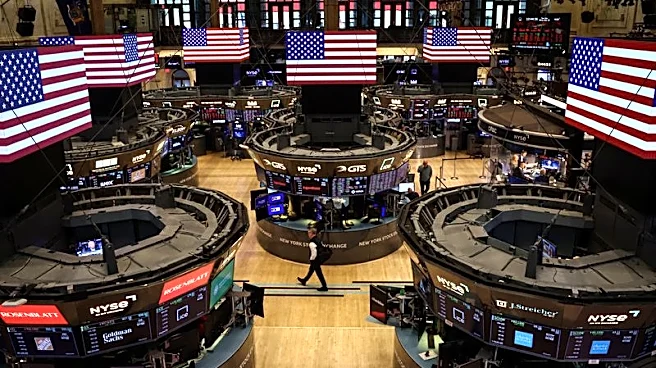
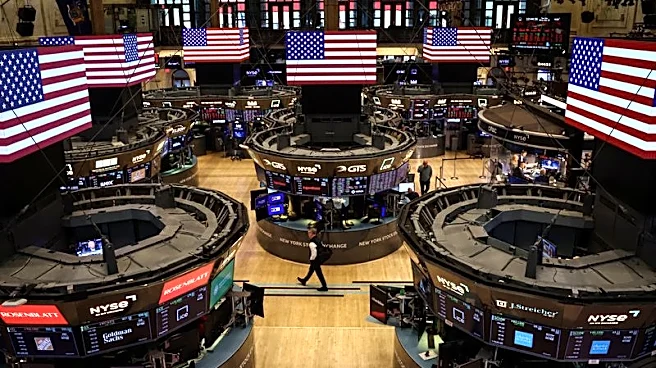
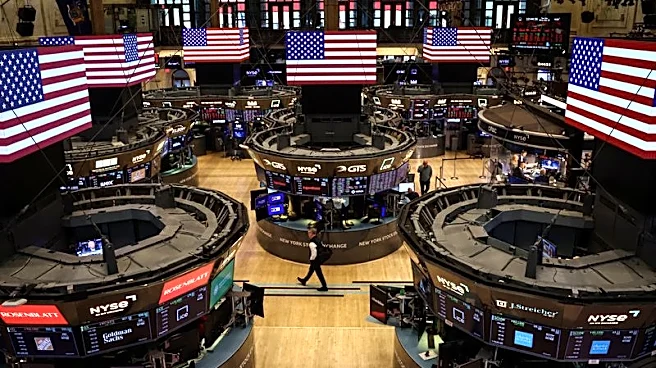
Citigroup CEO Jane Fraser has stated that the recent weakness in the S&P 500 index, driven by a sell-off in technology stocks, does not signal a dot-com-style market collapse. Speaking at a conference, Fraser indicated that the current correction is likely
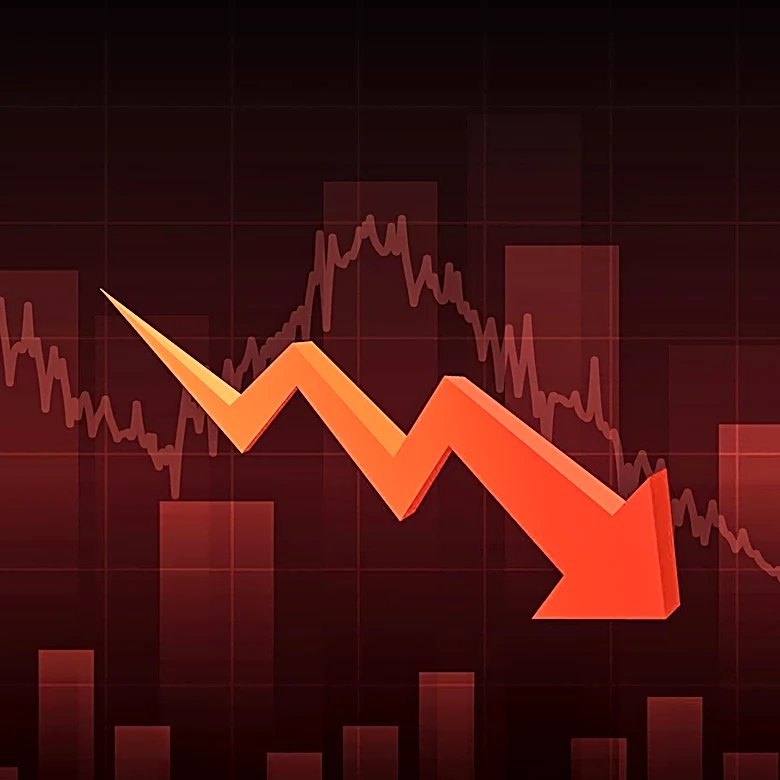
to be shallow and short-lived. She emphasized that the demand for Artificial Intelligence (AI) is 'real' and is a primary driver of the ongoing bull market, which is now in its fourth year. Fraser also noted that hedge funds are actively de-risking their portfolios by buying back short positions and selling long positions, contributing to the market's fluctuations. This perspective comes as the Nasdaq index experienced a 10% decline from its summer peaks and a 5.5% drop in November, which Fraser views as normal market adjustments. She clarified that the selling pressure is not originating from investment funds or individual investors but rather from hedge funds' risk-reduction strategies.
Why It's Important?
Fraser's assessment is significant because it offers a leading financial institution's view on the stability of the U.S. stock market amidst recent volatility, particularly in the technology sector. Her confidence in the AI market's fundamental strength suggests that major financial players believe the current tech-driven growth is sustainable, unlike the speculative bubble of the dot-com era. This could reassure investors and prevent widespread panic selling, which could otherwise trigger a broader market downturn. The focus on AI spending, with Goldman Sachs projecting $1.2 trillion in AI investment by tech giants next year, highlights the sector's critical role in economic growth. If Fraser's prediction holds true, it implies continued investment and innovation in AI, potentially benefiting technology companies and related industries, while a deeper correction could have broader negative impacts on investor confidence and economic stability.
What's Next?
The market will likely continue to monitor AI investment trends and corporate earnings to validate Fraser's optimistic outlook. Analysts from other major financial institutions, such as Morgan Stanley, have suggested that the S&P 500 could retreat further, potentially creating new buying opportunities. The Federal Reserve's monetary policy decisions, particularly regarding interest rates, will also play a crucial role. Recent U.S. Consumer Price Index (CPI) data, which exceeded expectations, has strengthened the likelihood of further interest rate hikes, potentially impacting market liquidity and investor sentiment. Historical market data, however, suggests that bull markets lasting four years have historically seen an average 21% rise in their fifth year, according to CFRA. The third year of the U.S. presidential cycle has also historically been the most profitable for markets, averaging a 16.1% return since 1953, according to Stock Trader’s Almanac. These historical trends could influence investor strategies moving forward.
Beyond the Headlines
The ongoing debate about whether the current tech market resembles a bubble or a sustainable growth phase driven by AI has broader implications for economic policy and investment strategies. If AI demand is indeed 'real' and continues to drive significant economic activity, it could lead to a fundamental reshaping of industries, increased productivity, and new job creation. However, the substantial borrowing and spending by companies to build AI capacity also raise concerns about potential overvaluation and future demand shortfalls if costs continue to escalate. This situation highlights the delicate balance between fostering innovation and preventing speculative excesses. The actions of hedge funds to de-risk their portfolios also point to a cautious approach within sophisticated investment circles, suggesting that while the long-term outlook for AI may be positive, short-term market adjustments are anticipated as investors navigate evolving economic conditions and technological shifts.