









What's Happening?
Oil prices have fallen to their lowest levels since March, dropping over 1% as optimism grows around U.S.-Iran talks. President Trump announced that discussions in Qatar have been positive, easing concerns over oil supply disruptions. The talks aim to secure
a lasting ceasefire and ensure the flow of shipping through the Strait of Hormuz. This development has led to a decrease in oil prices, with Brent futures settling at $71.57 a barrel and U.S. West Texas Intermediate crude at $68.58 a barrel. The decline in prices follows a significant drop in crude inventories in the U.S., which fell by 3.8 million barrels last week. Analysts have also revised their 2026 oil price forecasts downward for the first time since the Iran conflict began, as the reopening of the Strait of Hormuz alleviates supply concerns.
Why It's Important?
The reduction in oil prices is significant for the global economy, particularly for the U.S., as it may lead to lower fuel costs for consumers and businesses. The easing of supply concerns could stabilize the oil market, which has been volatile due to geopolitical tensions. The progress in U.S.-Iran talks may also reduce the risk of further military conflicts in the Middle East, potentially leading to more stable international relations. For oil-producing countries, the decline in prices might prompt a reassessment of production strategies, especially as OPEC+ countries consider increasing output targets. The situation highlights the interconnectedness of global politics and energy markets, with diplomatic efforts directly impacting economic conditions.
What's Next?
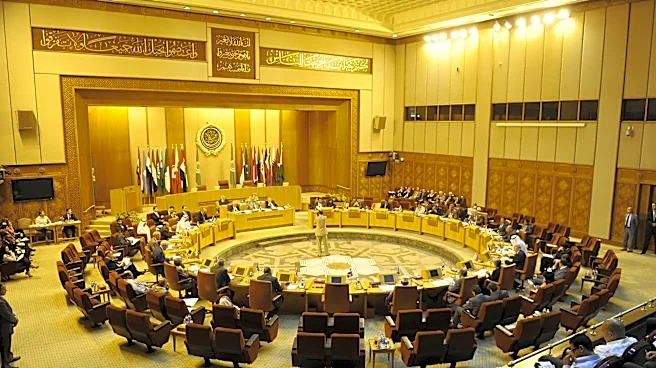
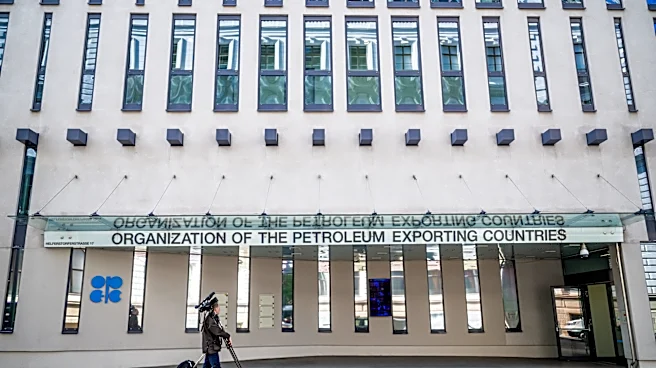
OPEC+ countries are expected to meet soon to discuss potential increases in oil production targets, which could further influence global oil prices. The outcome of the U.S.-Iran talks will be closely monitored, as any agreements reached could have long-term implications for oil supply and geopolitical stability. Market analysts and investors will likely keep a close eye on developments in the Middle East, as well as any changes in U.S. foreign policy that could affect oil markets. Additionally, the U.S. may continue to engage in diplomatic efforts to ensure the stability of oil supplies and prevent future conflicts.