

What's Happening?
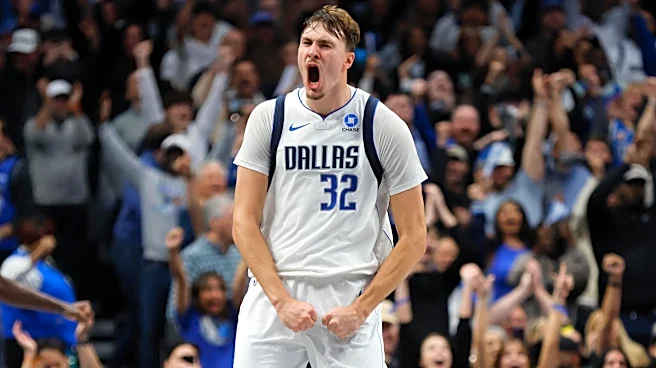
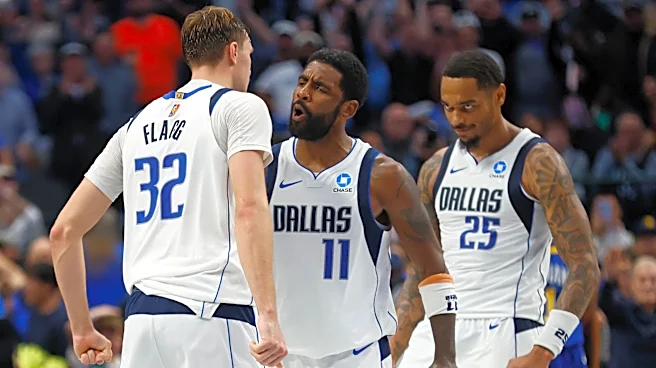
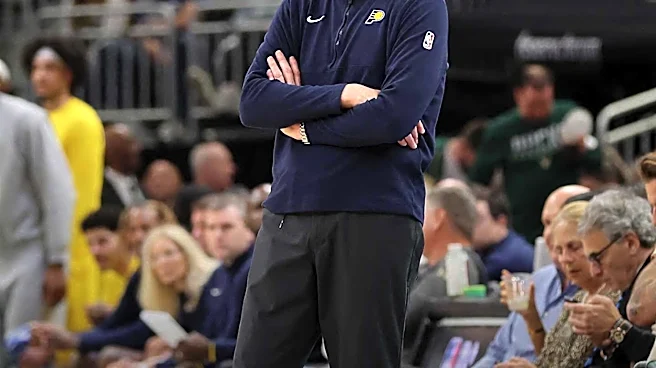
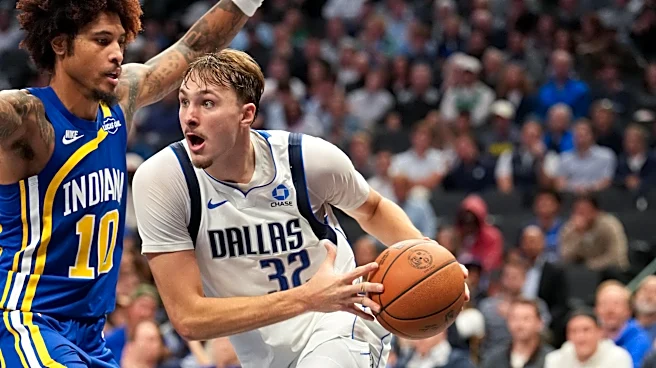
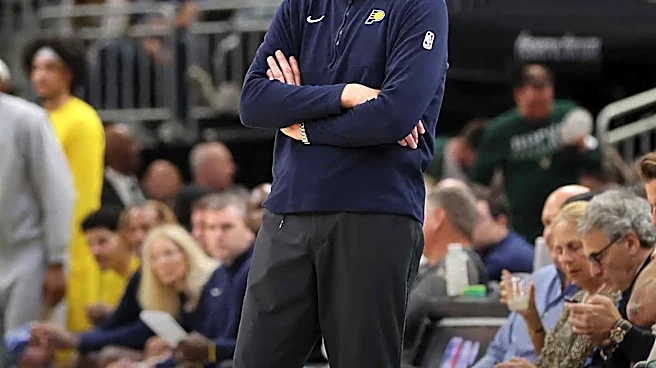
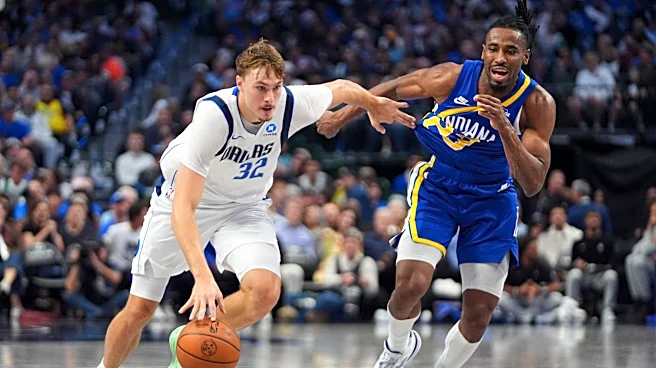
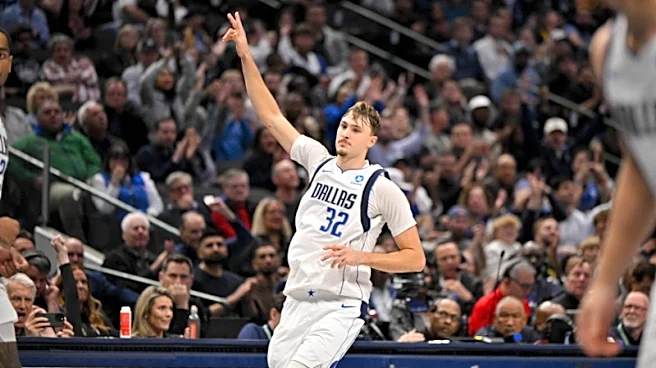
Indiana Pacers head coach Rick Carlisle expressed significant frustration with NBA officials following his team's 125-122 loss to the Dallas Mavericks. The controversy stemmed from a play in the final 3.7 seconds of regulation. With the Pacers down by
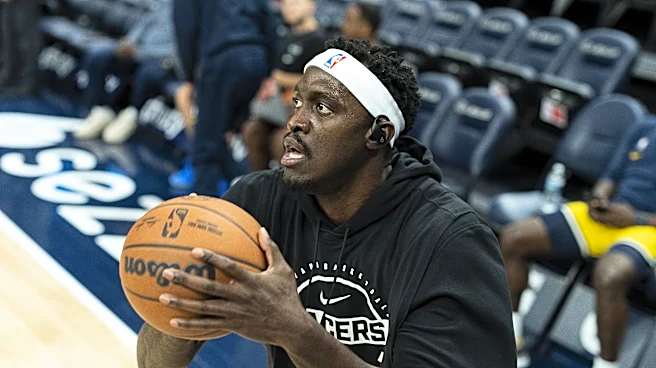
three points, Andrew Nembhard attempted a pass to Pascal Siakam, but Dallas forward Caleb Martin intercepted it. Carlisle contended that Martin made clear contact with Siakam, which should have resulted in a foul call, but no whistle was blown. He described the contact as a 'football-caliber collision' and stated he was 'shocked' by the lack of a call, suggesting it resembled 'targeting a defenseless player in a football game.' Carlisle voiced his displeasure immediately after the game, charging onto the court, and continued to criticize the officiating in the postgame press conference. The Pacers, currently with a 3-8 record, are struggling early in the season.
Why It's Important?
This incident highlights ongoing tensions between NBA coaches and officials regarding game-deciding calls, particularly in close contests. For the Indiana Pacers, a team already facing a challenging start to the season, a perceived officiating error in a critical moment can significantly impact team morale and public perception. Such controversies can also influence future officiating, as coaches' public criticisms often lead to increased scrutiny of referee decisions. From a broader perspective, consistent and fair officiating is crucial for the integrity of professional sports. When coaches like Carlisle openly question calls, it can erode fan confidence in the fairness of the game, potentially affecting viewership and engagement. The outcome of such close games, influenced by officiating, can also have financial implications for teams in terms of playoff seeding and potential revenue.
What's Next?
The Indiana Pacers are scheduled to play the Washington Wizards at home on Wednesday, where they will attempt to recover from this contentious loss. While no immediate changes to officiating are expected from this single incident, Carlisle's public comments may draw attention from the NBA league office, potentially leading to a review of the game's final moments or a fine for the coach. Such high-profile complaints often prompt internal discussions within the league about officiating standards and consistency. For the Pacers, the focus will be on moving past the frustration and improving their performance to turn around their early-season struggles. The incident could also fuel discussions among sports analysts and fans about the role of instant replay and challenge systems in addressing controversial no-calls in critical game situations.
Beyond the Headlines
The 'football-caliber collision' analogy used by Coach Carlisle points to a broader debate about the physicality allowed in basketball and how it is officiated. The increasing athleticism and size of NBA players often lead to more intense contact, blurring the lines between legal defense and foul play. This incident also touches upon the psychological aspect of coaching, where advocating for one's team, even in a losing effort, is seen as part of the job. Carlisle's strong reaction underscores the immense pressure on coaches to secure wins and the emotional investment they have in their team's performance. The perceived inconsistency in officiating can lead to a sense of injustice among players and coaches, potentially affecting their trust in the system and their approach to future games. This event serves as a microcosm of the ongoing challenge in professional sports to balance fast-paced action with precise and fair rule enforcement.