



What's Happening?
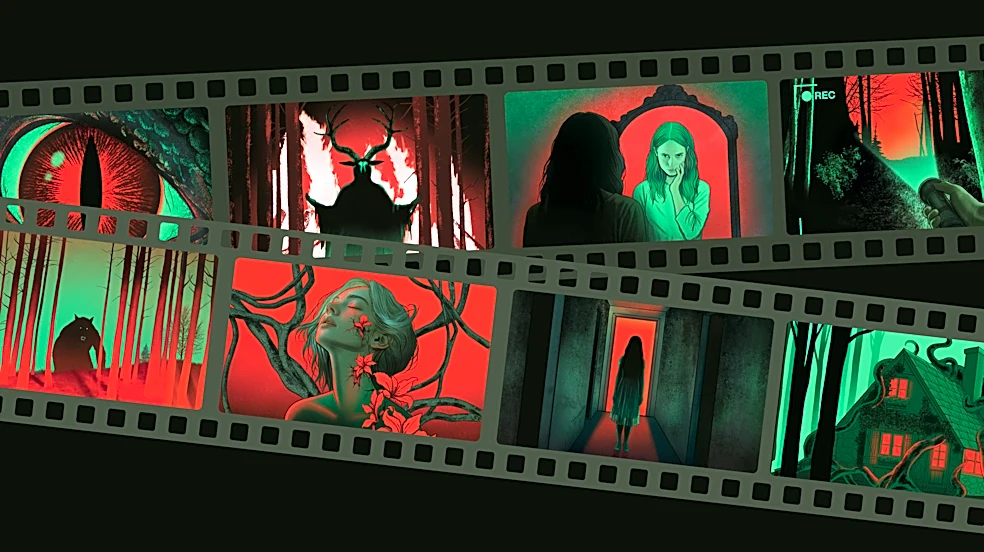
A selection of feminist horror films is being highlighted as essential viewing for Halloween, offering a different perspective on the genre. These films feature female protagonists who challenge societal norms, reclaim agency over their bodies, and subvert
traditional power dynamics. Examples include 'The Substance' (2024) by Coralie Fargeat, which critiques the entertainment industry's beauty standards through grotesque transformations, and 'Revenge' (2017), also by Fargeat, depicting a woman's violent retribution against her attackers. Julia Ducournau's 'Raw' (2017) explores self-discovery and desire through cannibalism, while David Robert Mitchell's 'It Follows' (2015) uses a supernatural entity as a metaphor for sexual assault. Other notable films include Ana Lily Amirpour's 'A Girl Walks Home Alone at Night' (2014), which reverses predator-prey roles with a female vampire, and Karyn Kusama's 'Jennifer’s Body' (2009), a horror-comedy satirizing male fantasies. Brian De Palma's classic 'Carrie' (1976) is also mentioned for its portrayal of a bullied teenager's telekinetic revenge.
Why It's Important?
This focus on feminist horror films is important because it demonstrates how the genre can transcend mere scares to offer profound social commentary. By centering female experiences and perspectives, these films challenge conventional narratives and societal expectations regarding women's bodies, desires, and roles. They provide a platform for exploring complex issues such as gender-based violence, unrealistic beauty standards, and the psychological impact of trauma, making the horror genre a vehicle for critical discourse. This movement within cinema reflects a broader cultural shift towards more inclusive storytelling and a re-evaluation of traditional tropes. It encourages audiences to engage with films on a deeper intellectual level, fostering discussions about gender equality and societal pressures, thereby influencing cultural perceptions and artistic expression in the U.S. and beyond.
What's Next?
The increasing recognition and popularity of feminist horror films suggest a continued evolution of the genre. Filmmakers are likely to further explore themes of female empowerment, social critique, and psychological depth within horror. This trend could lead to more diverse narratives and a broader representation of female experiences in cinema. Audiences can anticipate more films that use horror as a metaphor for real-world issues, pushing the boundaries of storytelling and challenging traditional genre conventions. Film festivals and academic discussions may increasingly focus on these works, solidifying their place in cinematic history and influencing future generations of filmmakers and viewers. The success of these films may also encourage studios to invest in more projects that prioritize diverse voices and socially conscious themes.
Beyond the Headlines
The rise of feminist horror cinema reflects a deeper cultural reckoning with gender roles and power dynamics. These films often subvert the male gaze, presenting female characters not as victims or objects, but as complex individuals capable of agency, rage, and transformation. This shift has significant implications for how women are portrayed in media, moving away from stereotypical representations towards more nuanced and empowering depictions. The genre's ability to tackle taboo subjects like sexual assault, body image, and societal pressures through allegorical and visceral means allows for a unique form of catharsis and critical engagement. It highlights the power of art to challenge, provoke, and ultimately contribute to social change by offering alternative perspectives and fostering empathy, thereby influencing cultural norms and conversations around gender in the long term.