



What's Happening?
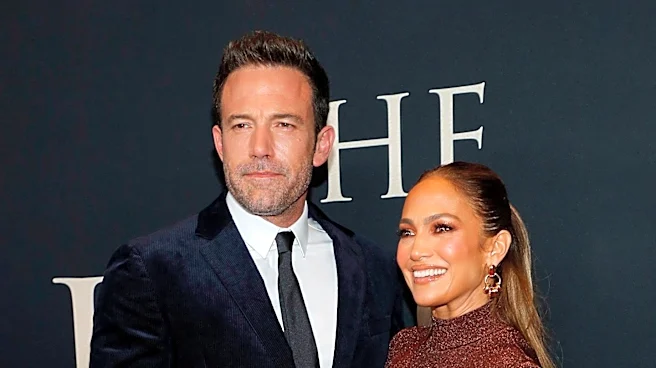
Jennifer Lopez, director Robert Zemeckis, and Netflix have jointly denied claims of a dispute regarding the upcoming thriller 'The Last Mrs Parrish'. Reports from Page Six suggested that Lopez had taken an active role in the film's final edit following
allegedly poor test screenings, drawing comparisons to a previous situation involving Blake Lively and Justin Baldoni on 'It Ends With Us'. Sources cited in the Page Six report claimed Lopez was attempting to 'take over' the film due to its performance in test screenings, with one insider stating she 'fancies herself a filmmaker'. However, Netflix countered these claims, asserting that the film 'tested well, particularly with fans of Jennifer'. The joint statement from Lopez, Zemeckis, and Netflix explicitly called the reporting 'categorically false' and stated that 'any suggestion that the filmmakers are not working in unison is without merit'. 'The Last Mrs Parrish' is based on a 2017 novel and is expected to be released on Netflix in 2027.
Why It's Important?
This situation highlights the complexities of film production, particularly when high-profile actors are involved in projects with established directors and major studios. Reports of creative differences or on-set tensions can significantly impact public perception of a film before its release, potentially affecting its commercial success and critical reception. For Jennifer Lopez, who has a multifaceted career as an actress, singer, and producer, such allegations could influence her professional image and future collaborations. For Robert Zemeckis, a director with a long and successful career, reports of conflict could raise questions about creative control and collaboration dynamics. Netflix, as the distributor, has a vested interest in maintaining a positive narrative around its productions, especially those featuring major stars, to attract subscribers and ensure the film's success. The swift and unified denial from all parties involved underscores the importance of managing public relations and controlling the narrative in the entertainment industry.
What's Next?
The film 'The Last Mrs Parrish' is slated for release on Netflix in 2027. Following the public denials, the focus will likely shift to the film's post-production and eventual marketing campaign. It is probable that Lopez, Zemeckis, and Netflix will continue to present a united front in future promotional activities to reinforce their collaborative working relationship and dispel any lingering doubts about on-set harmony. The industry will be watching to see how the film performs upon its release, as its reception could either validate the claims of smooth collaboration or reignite discussions about potential behind-the-scenes challenges. Future interviews with the cast and crew may also be scrutinized for any subtle indications regarding the production process. The comparison to Blake Lively's past legal dispute with Justin Baldoni, which reportedly ended in a settlement in May 2026, suggests that such creative differences can sometimes escalate, making the current unified denial a strategic move to prevent similar outcomes.
Beyond the Headlines
The recurring theme of actors reportedly seeking more creative control, as seen in both the alleged Jennifer Lopez situation and the Blake Lively dispute, points to a broader shift in the power dynamics within Hollywood. As actors gain more influence through their star power and production companies, they may increasingly assert their vision for projects, potentially leading to clashes with directors who traditionally hold the primary creative authority. This trend raises questions about the evolving roles of actors as creative partners rather than just performers. Furthermore, the rapid spread of such rumors through entertainment news outlets and social media highlights the intense scrutiny faced by high-profile productions and the constant pressure on studios and talent to manage their public image. The comparison to the Blake Lively situation also underscores how past industry incidents can set precedents or create narratives that influence how new situations are perceived and reported, even if the circumstances are not identical.