




What's Happening?
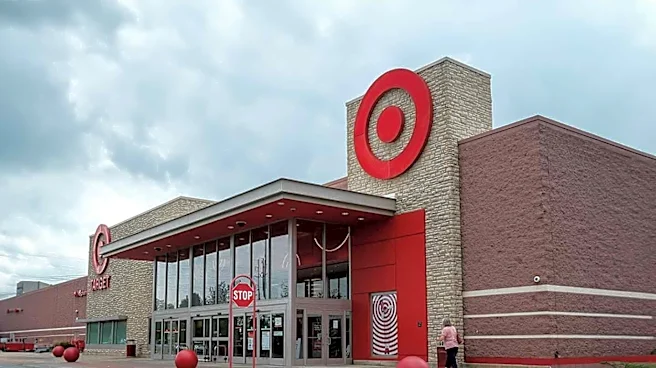
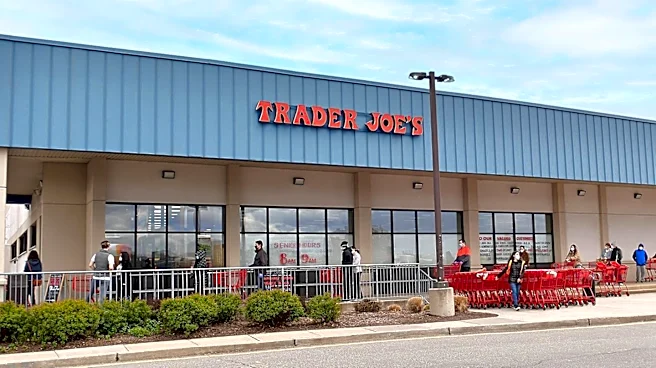
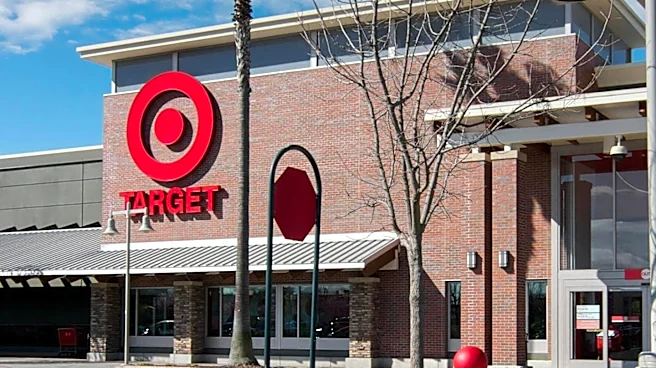
A recent comparison by FinanceBuzz, which involved taking the same grocery list to both Target and Trader Joe's, found that Target offered better overall prices. While both retailers provided significant savings compared to local grocers, Target emerged
as the winner in this price showdown. The study evaluated various categories, including frozen desserts, bakery items, canned and bottled beverages, pantry essentials, prepared meals, sweets and snacks, and cereal. Trader Joe's, known for its unique private-label products and loyal customer base, did show better pricing in categories such as frozen produce, seafood, and meat and poultry. However, Target's competitive pricing in multiple other categories ultimately led to its victory in this specific shopping challenge. The comparison highlighted that while Trader Joe's excels in certain specialty items and fresh produce, Target's broader range of competitively priced goods, particularly in pantry staples and prepared foods, gave it an edge.
Why It's Important?
This comparison is important for U.S. consumers facing rising grocery costs, as it provides actionable insights into where they might find better deals. The USDA projects beef prices to climb 8.7% in 2026 and overall grocery prices to rise another 1% in 2027, making cost-saving strategies crucial. For retailers, the findings underscore the importance of competitive pricing across diverse product categories. Target's success in this comparison suggests that its strategy of offering e-coupons and customer loyalty discounts, alongside its private-label brands, resonates with budget-conscious shoppers. Conversely, Trader Joe's, despite its strong brand loyalty and unique offerings, might need to re-evaluate its pricing in certain areas to remain competitive against larger superstores. This dynamic impacts household budgets and influences consumer shopping habits, potentially shifting market share between these major grocery retailers.
What's Next?
Consumers are likely to continue seeking out the best deals as grocery prices are expected to rise further in the coming years. This trend could lead to increased cross-shopping between different retailers, with shoppers strategically choosing stores based on specific product categories where they can find the most savings. Retailers like Target and Trader Joe's may respond by adjusting their pricing strategies, enhancing loyalty programs, or expanding their private-label offerings to attract and retain customers. The ongoing competition for consumer dollars in the grocery sector will likely drive innovation in pricing, promotions, and product assortment. Shoppers may also increasingly utilize tools like cash-back credit cards to maximize savings, as suggested by FinanceBuzz, further influencing purchasing decisions.
Beyond the Headlines
The findings from this grocery price comparison highlight a broader shift in consumer behavior driven by economic pressures. The emphasis on 'cult favorites' and 'bespoke bargains' at Trader Joe's versus Target's 'superstore' model with e-coupons and loyalty discounts reflects different approaches to customer engagement and value proposition. This divergence in strategy points to a segmentation in the grocery market, where some consumers prioritize unique product experiences, while others focus primarily on cost efficiency. The long-term implications could include a more polarized retail landscape, with stores either leaning into niche, curated selections or optimizing for broad affordability. This also raises questions about the sustainability of premium pricing for specialty items as overall grocery costs continue to climb, potentially pushing even loyal customers to seek more economical alternatives for everyday staples.