



What's Happening?
Costco and Instacart have announced an expansion of their partnership, enabling customers to order made-to-order bakery and deli items, including custom cakes and party platters, for delivery. This marks the first time these customizable items from Costco have been
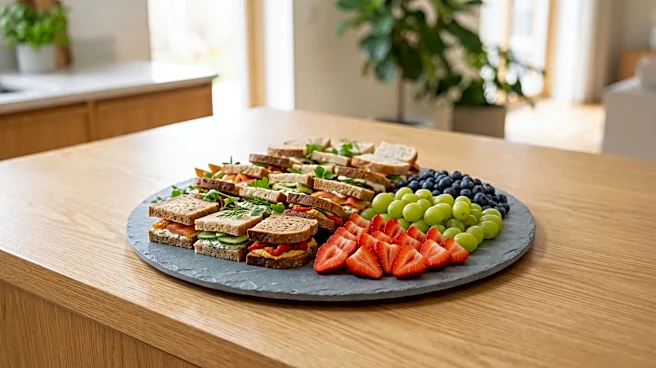
available for delivery. The service is accessible through the Instacart marketplace and sameday.costco.com, with delivery available from warehouse locations nationwide. The new offerings include custom sheet cakes, 10-inch round cakes, sandwich platters, shrimp trays, and fruit platters. This expansion is powered by FoodStorm, Instacart's end-to-end order management technology specifically designed for grocery perimeter departments. FoodStorm facilitates direct communication between Costco's bakery and deli teams and online orders, ensuring that custom specifications are accurately met. This technological integration allows for the digital ordering of items that traditionally required in-person customization and pickup, making it easier for members to plan for celebrations and gatherings without visiting a warehouse.
Why It's Important?
This expanded partnership between Costco and Instacart is significant for several reasons, particularly within the U.S. retail and e-commerce landscape. For Costco, it enhances customer convenience and broadens its reach, allowing members who might not have the time or ability to visit a warehouse to access popular, customizable items. This could lead to increased sales and customer loyalty, especially for high-margin perimeter items like custom cakes and platters. For Instacart, it demonstrates the versatility and capability of its FoodStorm technology, proving its ability to digitize complex, made-to-order grocery departments. This strengthens Instacart's position as a leading e-commerce platform for groceries and prepared foods, potentially attracting more retail partners looking to expand their online offerings. The move also highlights a growing trend in the grocery industry towards catering and celebration occasions as a key e-commerce battleground, as these events drive large, high-value orders. This development benefits consumers by providing greater flexibility and accessibility to specialized products, while also pushing the boundaries of what is possible in online grocery delivery.
What's Next?
The successful integration of custom bakery and deli items into Costco's delivery options via Instacart is likely to pave the way for further innovations in the grocery e-commerce sector. Other warehouse clubs and grocery retailers may observe this model and invest in similar technologies to digitize their own perimeter departments, which have historically been challenging to bring online. Instacart may continue to refine its FoodStorm technology, potentially expanding its application to other complex, made-to-order categories within grocery stores. The partnership between Costco and Instacart, which has evolved over nearly a decade, is expected to deepen further, possibly including more product categories or enhanced delivery options. Consumers can anticipate a wider array of customizable and prepared food items becoming available for online ordering and delivery from various retailers. This trend suggests a future where the convenience of online shopping extends to virtually all aspects of grocery retail, including highly personalized and time-sensitive orders, further blurring the lines between traditional in-store shopping and digital commerce.
Beyond the Headlines
Beyond the immediate convenience, this development signifies a crucial shift in how consumers interact with their food sources and how retailers adapt to evolving demands. The digitization of the 'grocery perimeter'—fresh, prepared, and made-to-order foods—addresses a long-standing challenge in e-commerce. This move by Costco and Instacart underscores the importance of technology in bridging the gap between in-store production and online demand, particularly for items requiring customization. It highlights a broader societal trend towards valuing time and convenience, even for celebratory occasions. Ethically, this expansion could raise questions about the impact on local bakeries and small businesses that traditionally rely on custom orders, potentially increasing competition. Environmentally, the increase in delivery services could lead to discussions about sustainable packaging and delivery logistics. Culturally, it reflects a growing reliance on digital platforms for even the most personal and celebratory aspects of life, transforming how communities gather and celebrate. This technological leap is not just about delivering cakes; it's about redefining the infrastructure of food retail and its role in modern life.