





What's Happening?
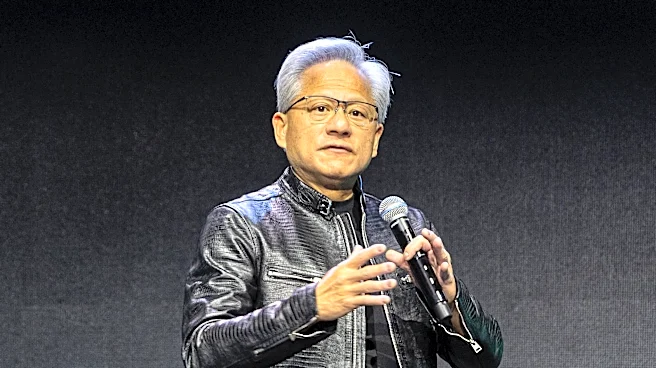
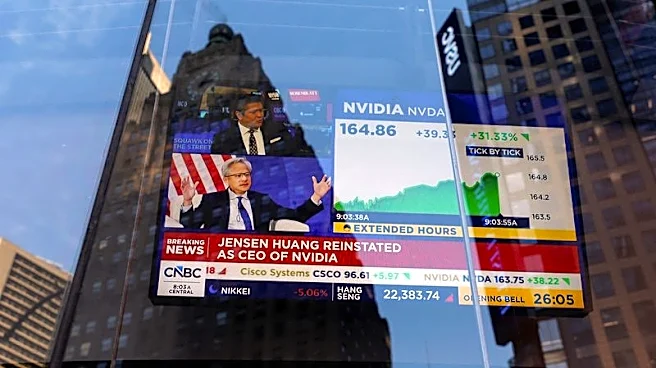
NVIDIA's board of directors unanimously reinstated Jensen Huang as CEO on November 23, less than two weeks after his resignation on November 11-12. Colette Kress, the company's CFO, had been appointed interim CEO during Huang's absence. This reversal
occurred shortly after Reuters reported on November 20 that the SEC was examining NVIDIA's accounting practices, specifically concerning financial arrangements with AI customers. The board had previously reaffirmed its decision to appoint Kress and initiate a search for a permanent CEO on November 17, despite the company's strong financial performance and forward guidance. The sudden change in leadership has raised questions among semiconductor ecosystem stakeholders, financial journalists, and corporate-governance experts regarding the reasons behind the board's abrupt decision.
Why It's Important?
The unexpected reinstatement of Jensen Huang at NVIDIA carries significant implications for corporate governance and investor confidence, particularly given the ongoing SEC investigation into the company's accounting practices. The initial resignation and subsequent rapid return of a founder-CEO, especially one with a strong track record, can create uncertainty in the market. The fact that the board reversed its decision shortly after news of the SEC scrutiny became public suggests potential underlying pressures or new information that influenced their judgment. This situation could lead to increased scrutiny from regulatory bodies and investors regarding transparency and decision-making processes within major corporations. For NVIDIA, a company at the forefront of the AI industry, any perceived instability in leadership or financial irregularities could impact its market position and investor trust, potentially affecting its stock performance and future growth prospects in a highly competitive sector.
What's Next?
The immediate focus will likely be on the ongoing SEC investigation into NVIDIA's accounting practices, particularly those related to financial arrangements with AI customers. The board's decision to reinstate Jensen Huang may prompt further questions from shareholders and corporate governance experts regarding the transparency and rationale behind such a swift reversal. It is plausible that the SEC's findings, once public, could shed more light on the circumstances that led to Huang's initial resignation and subsequent return. Additionally, the market will be closely watching NVIDIA's performance and any statements from the company or its leadership regarding the investigation and future strategic direction. The situation could also lead to internal discussions within NVIDIA about leadership stability and corporate oversight, especially if the SEC investigation uncovers significant issues.
Beyond the Headlines
The NVIDIA situation highlights a broader challenge in corporate governance, particularly concerning the influence of powerful founder-CEOs and the board's role in oversight. The rapid reinstatement of Jensen Huang, especially in the context of an SEC investigation, raises ethical and legal questions about the board's fiduciary duties and its responsiveness to external pressures. It also underscores the potential for internal disagreements, as suggested by previous reports of financial disagreements between Kress and Huang over customer-financing arrangements, which are now part of the SEC's scrutiny. This event could trigger a re-evaluation of corporate succession planning and crisis management strategies within other major tech companies, emphasizing the need for robust governance structures that can withstand unexpected leadership changes and regulatory challenges. The incident also brings to light the complex interplay between corporate leadership, financial performance, and public perception in the high-stakes technology sector.