



What's Happening?
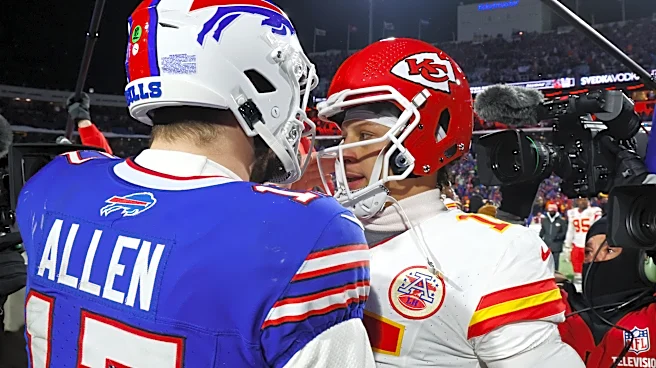
New England Patriots Head Coach Mike Vrabel has been fined $250,000 by the NFL for his conduct towards officials. This fine follows an unsportsmanlike conduct call in Week 4 during a game against the Buffalo Bills, which Vrabel attributed to frustration
over a 'bad penalty.' Other coaches, including Aaron Glenn of the Jets and Nick Sirianni of the Eagles, have also faced similar flags. Vrabel expressed significant displeasure that the fine was made public, stating that he was informed it would remain private. He suggested that the league seems to have 'plenty to say already about it,' indicating a rift between the coach and the NFL regarding the handling of such disciplinary actions. The public disclosure of the fine has led to speculation that the NFL is deliberately increasing pressure on head coaches.
Why It's Important?
This incident highlights growing tensions between NFL coaches and the league's officiating standards. The substantial fine and its public nature could set a precedent for how the NFL addresses coach-official interactions, potentially leading to a more stringent environment for sideline behavior. For coaches, the fear of significant financial penalties and public scrutiny might lead to a more cautious approach when questioning officiating decisions, even if they believe the calls are incorrect. This could impact game dynamics and the perceived fairness of officiating. The situation also raises questions about transparency and privacy within the league's disciplinary processes, as Vrabel's expectation of privacy was not met, potentially eroding trust between coaches and the NFL administration. The league's message appears to be a clear warning to all coaches regarding their conduct.
What's Next?
The NFL's decision to publicize Vrabel's fine suggests a continued push to enforce stricter conduct rules for coaches. It is anticipated that the league will maintain its stance on penalizing unsportsmanlike conduct, and coaches will likely be under increased scrutiny. Vrabel, and potentially other coaches, may need to adjust their sideline demeanor to avoid further penalties. The situation could also prompt discussions within the NFL Players Association or Coaches Association regarding the fairness and transparency of disciplinary actions. Future games will likely see officials more emboldened to flag coaches, and coaches, in turn, may feel more constrained in expressing their frustrations, potentially impacting the emotional intensity often associated with NFL sidelines.
Beyond the Headlines
The public disclosure of Vrabel's fine, despite assurances of privacy, could have deeper implications for the relationship between the NFL and its personnel. It raises ethical questions about confidentiality and the league's use of disciplinary actions as a public deterrent. This move might be perceived as a power play by the NFL to assert control over narratives and behavior, potentially leading to a more sanitized, less expressive sideline environment. Over the long term, such actions could contribute to a more corporate image for the league, where emotional outbursts and direct challenges to authority are systematically suppressed. This could subtly alter the cultural fabric of professional football, moving away from the raw, passionate displays often seen as integral to the sport's appeal.