




What's Happening?
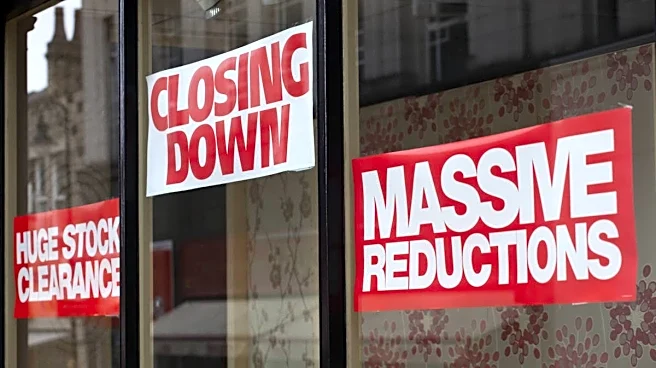
True Food Kitchen, a health-focused restaurant chain with Oprah Winfrey as a minority investor, has filed for Chapter 11 bankruptcy protection in a Texas court. The company simultaneously closed 12 of its restaurants, reducing its footprint to 34 locations
across 14 states. The bankruptcy filing cites approximately $42 million in debt, attributing the financial distress to significant management turnover, frequent changes in expansion strategy, brand direction, and menu offerings, as well as the impact of the COVID-19 pandemic. Court documents indicate that while many locations were profitable, several struggled with low foot and vehicle traffic and were affected by changing market forces and demographics, leading to revenue losses. CEO Jeff Chandler stated that the bankruptcy process is the "best path forward to simplify the business and focus on what we do best."
Why It's Important?
The bankruptcy filing of True Food Kitchen, a brand associated with wellness and backed by a prominent figure like Oprah Winfrey, highlights the significant challenges even well-capitalized and concept-driven restaurant chains face in the highly competitive U.S. market. The reasons cited—management instability, strategic missteps, and external factors like the pandemic—are common pitfalls that can undermine even promising ventures. This event underscores the critical importance of consistent leadership and a clear, focused business strategy in the restaurant industry. The closure of 12 locations will result in job losses and reduced dining options in those communities, impacting local economies. For investors, it serves as a cautionary tale about the volatility of the restaurant sector. The company's plan to pursue a court-supervised sale indicates an attempt to restructure and find a new owner who can stabilize and potentially revive the brand, but it also reflects the severity of its financial difficulties.
What's Next?
True Food Kitchen will proceed with a court-supervised sale of its business as part of its Chapter 11 restructuring. The company has secured a commitment for approximately $20 million in financing from HumanCo TFK IV, subject to court approval, to support its ongoing operations during the bankruptcy and sale processes. The remaining 34 restaurants will continue to operate as usual. The company has also requested court permission to continue paying employee wages and benefits, maintain customer programs, and work with vendors. The focus will be on finding a long-term partner to support the brand's future. The outcome of the sale process will determine the future of the True Food Kitchen brand, its remaining employees, and its presence in the U.S. market. The company's ability to attract a suitable buyer will be crucial for its survival and potential resurgence.
Beyond the Headlines
The bankruptcy of True Food Kitchen, despite its health-focused mission and celebrity backing, reveals deeper issues within the U.S. restaurant industry beyond just economic downturns. It highlights the difficulty of scaling a concept while maintaining brand integrity and operational efficiency, especially when faced with rapid management changes and shifts in strategy. The company's struggles with investing outside its core market areas and in unsuccessful new product lines underscore the risks of diversification without a clear understanding of the target audience and market demand. This situation also brings into focus the evolving consumer landscape, where even 'healthy' or 'wellness' brands must constantly innovate and adapt to changing preferences and competitive pressures. The impact of the pandemic, while a contributing factor, also exposed underlying vulnerabilities in the business model, emphasizing the need for resilience and adaptability in an unpredictable market. The story serves as a case study for the complexities of growth and sustainability in the modern food service sector.