






What's Happening?
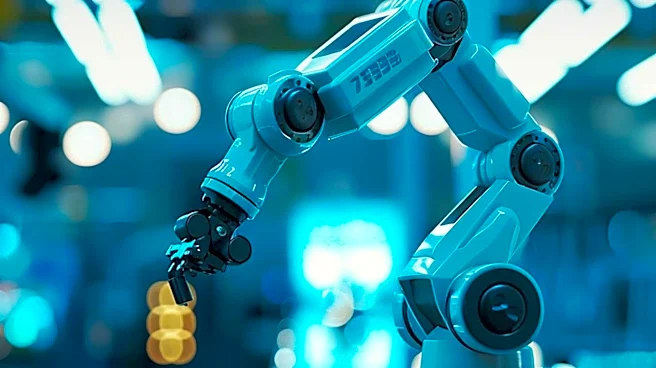
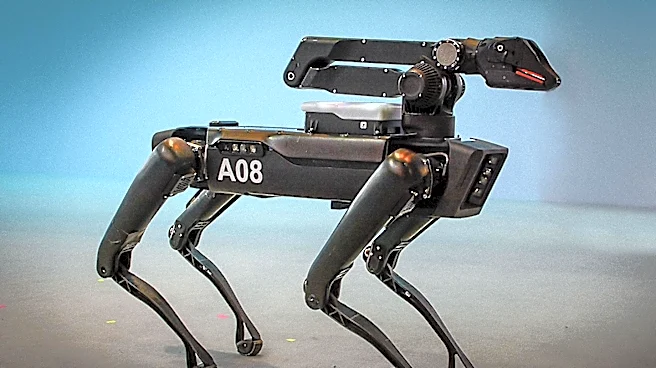
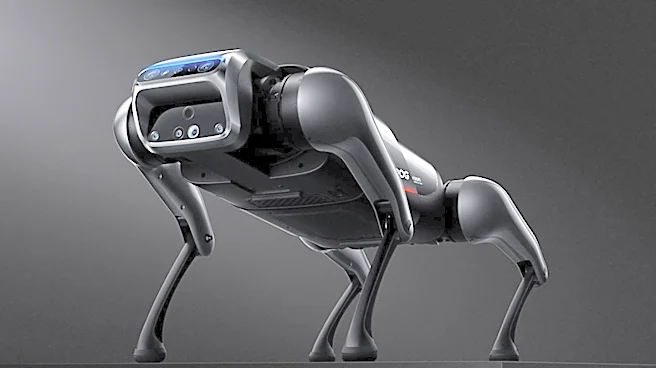
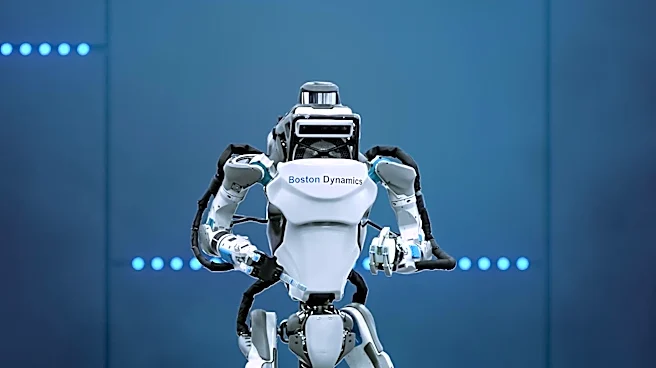
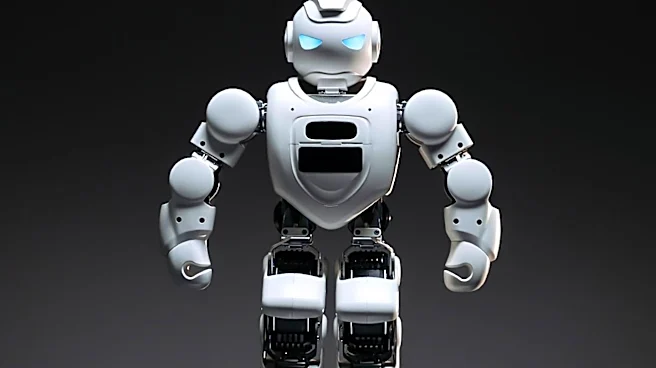
AGIBOT, a company known for its advancements in embodied AI, has introduced four new robotic products at the World Artificial Intelligence Conference (WAIC). These products include the A3 Ultra, a full-size humanoid robot designed for long-duration operations
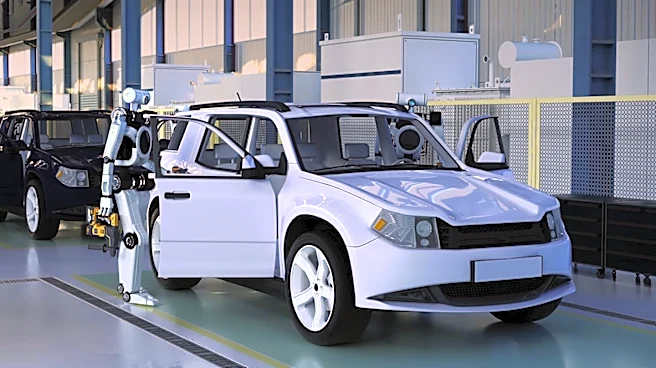
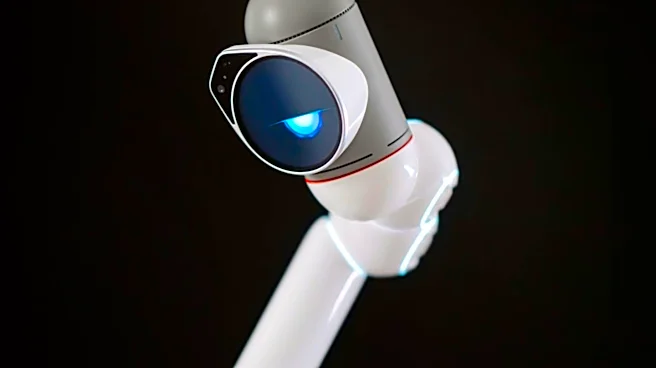
in public and commercial environments, and the G2 Max, a heavy-payload robot for industrial tasks. The OmniHand 3 Ultra-M, a dexterous hand for complex manipulations, and the X2 Edu, a platform for educational purposes, were also showcased. AGIBOT's robots are equipped with advanced perception systems and are designed to operate in dynamic environments, demonstrating capabilities such as playing table tennis, serving beverages, and guiding visitors. The company emphasizes the practical integration of these robots into real-world settings, aiming to enhance operational reliability and efficiency.
Why It's Important?
The introduction of these advanced robots by AGIBOT signifies a significant step forward in the integration of AI into everyday commercial and industrial operations. By focusing on practical applications and reliability, AGIBOT is addressing a critical challenge in the robotics industry: the transition from impressive demonstrations to consistent, real-world performance. This development could lead to increased efficiency in industries such as manufacturing, where robots like the G2 Max can handle repetitive tasks, reducing human labor costs and increasing productivity. Additionally, the deployment of humanoid robots in public spaces could transform service industries, offering new ways to interact with customers and streamline operations. The educational platform, X2 Edu, also highlights the potential for robotics in learning environments, preparing future generations for a tech-driven world.
What's Next?
AGIBOT's focus on integrating its robots into existing production lines without requiring significant infrastructure changes suggests a strategic approach to market penetration. As these robots are deployed in various sectors, feedback and performance data will likely drive further innovations and refinements. The company's partnerships with organizations in tourism, transportation, and commercial services indicate a broadening scope of applications, potentially leading to new collaborations and market opportunities. The success of these deployments could encourage other companies to invest in similar technologies, accelerating the adoption of AI in diverse fields. Additionally, regulatory considerations and public acceptance will play crucial roles in shaping the future landscape of AI robotics.
Beyond the Headlines
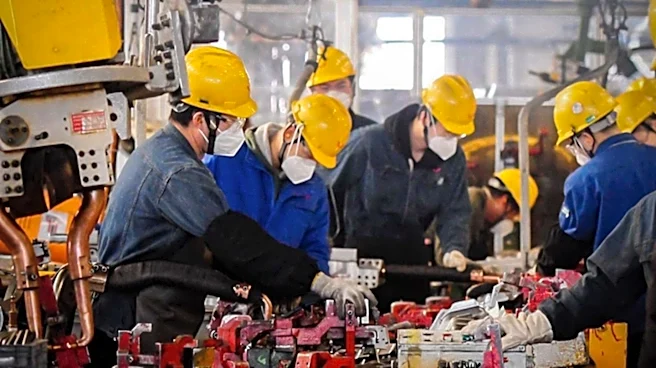
The deployment of humanoid and industrial robots raises important ethical and societal questions. As robots take on more roles traditionally held by humans, there is a need to consider the implications for employment and the economy. The potential for robots to perform tasks with precision and efficiency could lead to job displacement, necessitating policies to support workforce transitions. Moreover, the integration of AI in public spaces requires careful consideration of privacy and security concerns, as these robots collect and process data to function effectively. The cultural impact of interacting with humanoid robots in everyday life also warrants exploration, as it may influence social behaviors and expectations.