





What's Happening?
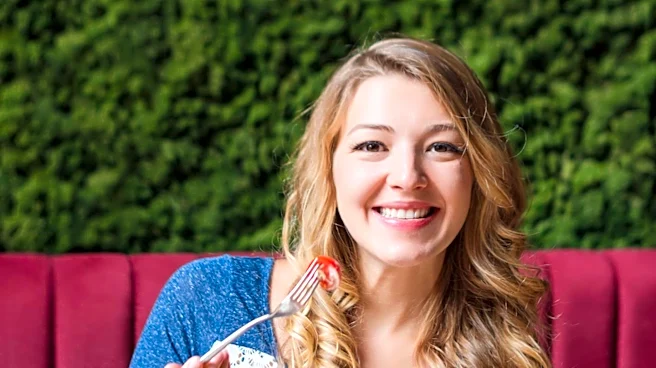
Food influencers in Chicago are significantly impacting the local restaurant scene, shifting marketing strategies from traditional critics to social media engagement. Influencers like Shanikky Haynes, with over 200,000 followers on Instagram and TikTok,
focus on promoting Black-owned restaurants and have even had dishes named after them. Restaurants are increasingly creating visually appealing, sometimes 'absurd,' dishes to attract influencer attention, recognizing the power of viral content. While some influencers are paid for promotional content, others operate as 'microinfluencers' who receive complimentary meals. This new landscape has led to a cottage industry of social media consultants and wranglers who connect influencers with restaurants, fundamentally changing how dining establishments gain visibility and attract customers.
Why It's Important?
The rise of food influencers in Chicago reflects a broader national trend in how businesses, particularly in the hospitality sector, engage with consumers. This shift democratizes food criticism, moving influence from established media critics to individuals with large social media followings. For restaurants, it presents both opportunities and challenges: while influencers can generate immense buzz and drive traffic, the focus on visual appeal can sometimes overshadow culinary quality. Moreover, the financial aspect of influencer marketing, ranging from free meals to thousands of dollars for posts, introduces new cost considerations and ethical dilemmas regarding authenticity and disclosure. This evolution impacts consumer trust, as audiences navigate between genuine recommendations and paid promotions, fundamentally altering the dining experience and the economics of restaurant marketing.
What's Next?
The influence of food content creators is expected to continue growing, with restaurants further adapting their menus and marketing to cater to social media trends. More sophisticated strategies for influencer engagement, including targeted campaigns and long-term partnerships, are likely to emerge. Regulatory bodies like the Federal Trade Commission (FTC) may increase scrutiny on disclosure practices to ensure transparency in sponsored content, potentially leading to clearer guidelines for influencers and brands. The industry will also likely see a continued debate between the value of traditional food criticism and the reach of social media, with restaurants striving to balance authentic culinary experiences with the demands of digital visibility. The challenge for restaurants will be to leverage influencer marketing effectively without compromising their brand integrity or the quality of their offerings.
Beyond the Headlines
Beyond the immediate impact on restaurant marketing, the phenomenon of food influencing raises deeper questions about authenticity, consumer culture, and the nature of shared experiences. The emphasis on visually 'Instagrammable' food can lead to a homogenization of culinary trends, where dishes are designed more for online virality than for taste or tradition. This also creates a performative aspect to dining, where the act of eating becomes secondary to the act of documenting and sharing. Furthermore, the power wielded by influencers can create an uneven playing field for smaller establishments that cannot afford extensive promotional campaigns. The ethical implications of paid reviews and the potential for 'inauthentic' experiences challenge the traditional role of critics and the trust consumers place in recommendations, highlighting a broader societal shift in how information and opinions are consumed and valued.