






What's Happening?
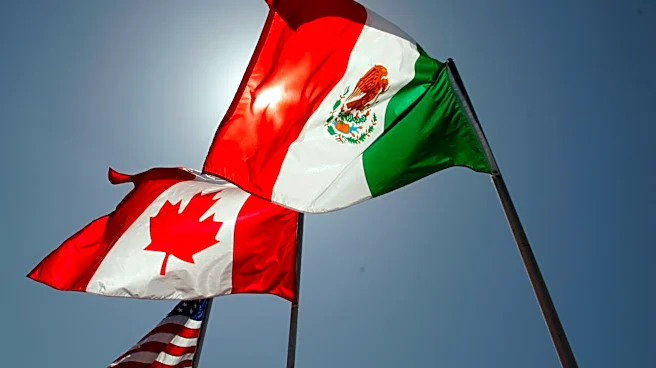
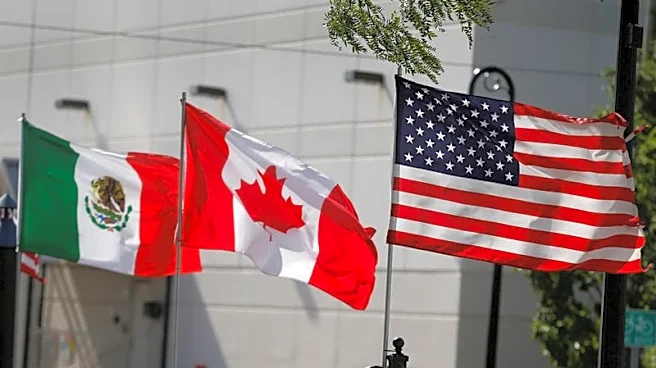
Ford Motor CEO Jim Farley has expressed a strong desire for a more equitable trade environment as discussions reopen for the United States-Mexico-Canada Agreement (USMCA). Farley emphasized the need for the trade deal to favor automakers like Ford that
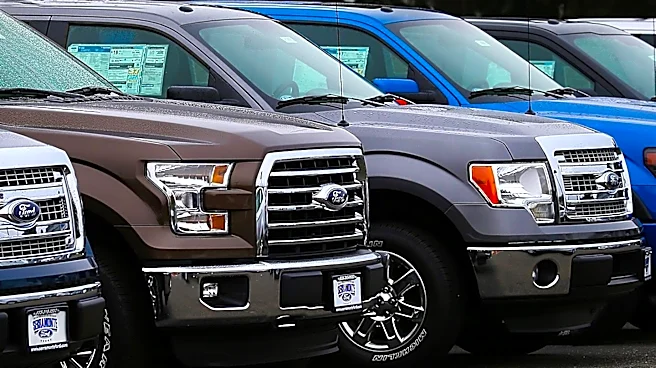
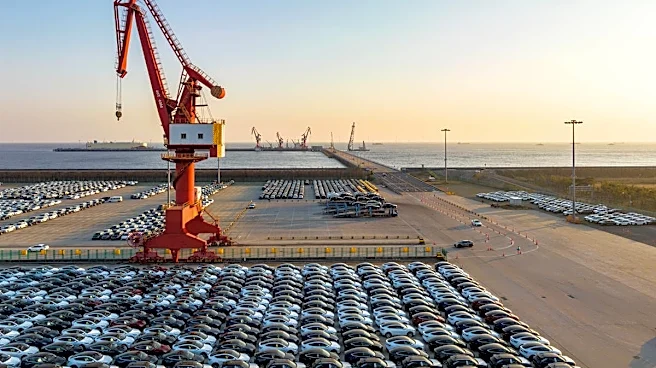
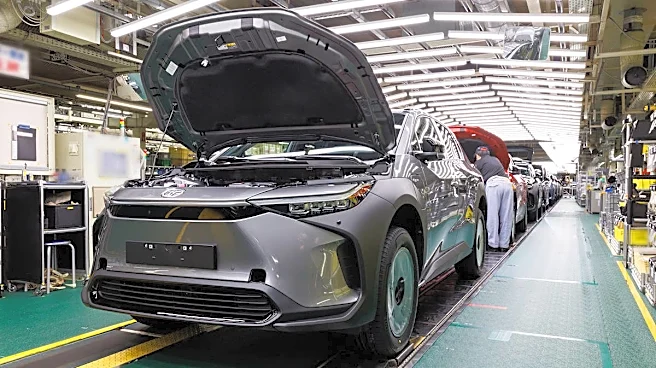
predominantly manufacture vehicles domestically. He suggested that companies heavily reliant on imports, such as General Motors and Toyota, should face penalties. Ford, which assembled over 2 million vehicles in the U.S. last year, is advocating for policies that support domestic production. In contrast, GM and Toyota, the top two importers in 2025, imported a significant portion of their U.S. sales. Farley argues that the current trade dynamics make it challenging for U.S. manufacturers to compete with global competitors who benefit from lower production costs abroad.
Why It's Important?
The outcome of the USMCA negotiations could significantly impact the U.S. automotive industry, particularly in terms of production and employment. Ford's push for a level playing field highlights the broader debate over trade policies that affect domestic manufacturing jobs and economic competitiveness. If the USMCA is adjusted to favor domestic production, it could lead to increased investment in U.S. manufacturing facilities and potentially create more jobs. Conversely, if import-heavy companies face penalties, it could alter their business strategies and supply chains. The negotiations are crucial for determining how the U.S. balances its trade relationships with economic partners while supporting domestic industries.
What's Next?
As the USMCA talks progress, stakeholders in the automotive industry will closely monitor the negotiations. Automakers like Ford will likely continue to lobby for favorable terms that support domestic production. The outcome could influence future trade policies and set precedents for how the U.S. engages with international trade partners. Additionally, any changes to the agreement could prompt reactions from other countries involved, potentially affecting diplomatic and economic relations. The automotive industry, labor unions, and policymakers will play key roles in shaping the final terms of the agreement.