






What's Happening?
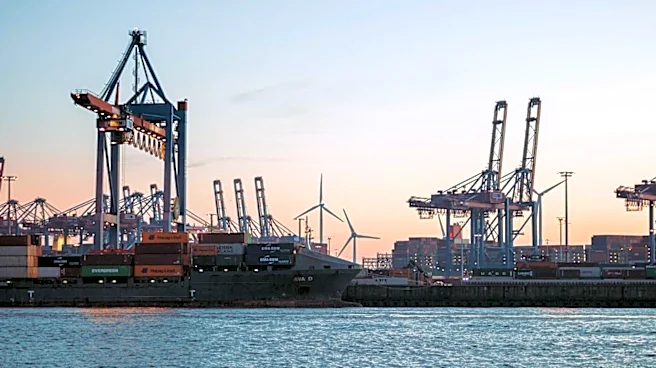
The U.S. maritime industry is experiencing significant challenges due to labor shortages and geopolitical tensions. The industry, which has been transitioning since the COVID-19 pandemic, is now facing a projected shortage of over 113,000 qualified officers
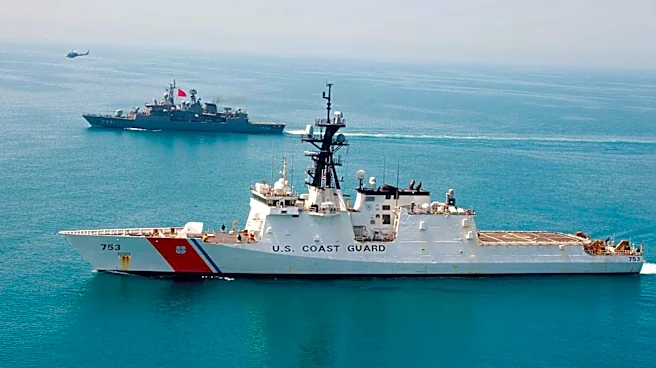
by 2030. This shortage is compounded by the increasing complexity and volatility of global shipping routes, influenced by geopolitical tensions such as those involving Ukraine and China. The industry is also grappling with the need for decarbonization and the adoption of alternative fuels. Efforts to address these challenges include increased training and retention initiatives, as well as the integration of maritime technology to enhance safety and efficiency. However, the high cost of operating with a domestic crew under the U.S. flag further exacerbates the situation.
Why It's Important?
The labor shortages and geopolitical tensions in the maritime industry have significant implications for global trade and the U.S. economy. The shortage of qualified officers could disrupt supply chains and increase shipping costs, affecting industries reliant on maritime transport. The geopolitical tensions add to the risk and complexity of shipping operations, potentially leading to delays and increased insurance costs. The industry's focus on technology integration highlights a shift towards more automated and efficient operations, which could redefine job roles and require new skill sets. This transition could impact employment patterns and necessitate policy adjustments to support workforce development and technological innovation.
What's Next?
The maritime industry is likely to continue its focus on integrating technology to address labor shortages and enhance operational safety. This may involve increased investment in training programs to equip the workforce with the necessary skills for a technology-driven environment. Additionally, geopolitical tensions will likely remain a critical factor influencing shipping routes and operational strategies. The industry may also see further regulatory developments aimed at supporting decarbonization and the adoption of alternative fuels. Stakeholders, including policymakers and industry leaders, will need to collaborate to address these challenges and ensure the sustainability and resilience of the maritime sector.