








What's Happening?
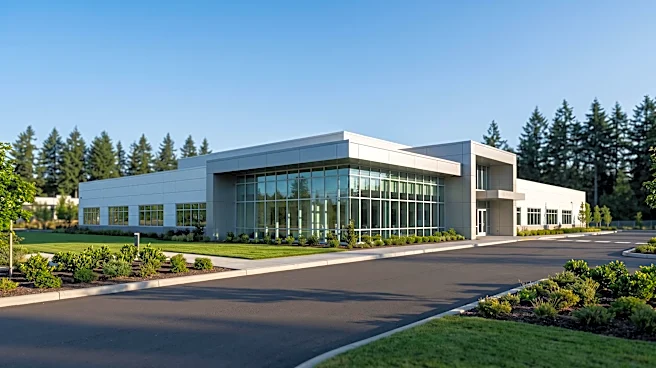
Governor Tina Kotek joined Genentech to announce the groundbreaking of a $750 million expansion of its advanced manufacturing facility in Hillsboro, Oregon. This significant investment is projected to create approximately 250 high-wage manufacturing jobs
and an additional 200 construction jobs. The expansion will add 211,000 square feet to the existing site, effectively doubling its size. Once operational in 2031, the expanded facility will introduce device fill-finish capabilities, including the manufacturing of combination products, into Genentech’s U.S. manufacturing network. This move aims to enhance the domestic supply chain for medicines across various therapeutic areas such as oncology, neurology, and immunology. Governor Kotek highlighted that this project aligns with her Prosperity Roadmap, which focuses on retaining and growing Oregon businesses, catalyzing job creation, and accelerating economic growth. The decision to expand in Hillsboro underscores Genentech's confidence in Oregon's skilled workforce and established infrastructure, building on 20 years of the company's operations in the area.
Why It's Important?
This $750 million investment by Genentech is crucial for strengthening the U.S. life sciences and advanced manufacturing sectors, particularly in Oregon. The creation of 450 jobs—250 high-wage manufacturing roles and 200 construction jobs—will provide significant economic benefits to the region, boosting local employment and contributing to the state's tax base. The expansion of device fill-finish capabilities within the U.S. manufacturing network is vital for enhancing the domestic supply chain, reducing reliance on foreign production, and ensuring more reliable access to critical medicines for American patients. This development also positions Oregon as a national leader in bioscience innovation, attracting further investment and talent to the state. The integration of advanced digital technology, AI, automation, and robotics in the new facility will foster a modern workforce equipped with specialized skills, driving technological advancement and innovation in precision manufacturing within the U.S.
What's Next?
Construction on Genentech's expanded facility in Hillsboro is now underway, with commercial operations anticipated to commence in 2031. Over the coming years, Genentech will actively recruit for specialized roles in areas such as filling and inspection, device assembly and packaging, cold storage, and quality control. These positions will require a blend of traditional manufacturing expertise and digital skills in AI, automation, and robotics. The successful completion and operation of this facility are expected to further solidify Oregon's role in U.S. medicine manufacturing and contribute to the state's economic growth as outlined in Governor Kotek's Prosperity Roadmap. This expansion also signals a continued commitment by Roche and Genentech to invest in U.S. manufacturing and R&D, potentially leading to further milestones and advancements in American scientific innovation and pharmaceutical production.
Beyond the Headlines
The Genentech expansion in Hillsboro represents more than just a corporate investment; it signifies a strategic move towards bolstering national health security and economic resilience. By bringing advanced pharmaceutical manufacturing capabilities, particularly device fill-finish, back to U.S. soil, the project mitigates risks associated with global supply chain disruptions, which became evident during recent public health crises. This initiative also highlights a broader trend of reshoring critical industries, fostering domestic job growth, and cultivating a highly skilled workforce in advanced manufacturing. The emphasis on AI, automation, and robotics in the new facility points to the evolving nature of manufacturing jobs, requiring continuous education and training to adapt to technological advancements. This investment could serve as a blueprint for other states and industries looking to enhance their domestic production capabilities and secure their supply chains, ultimately contributing to a more robust and self-reliant U.S. economy and healthcare system.