



What's Happening?
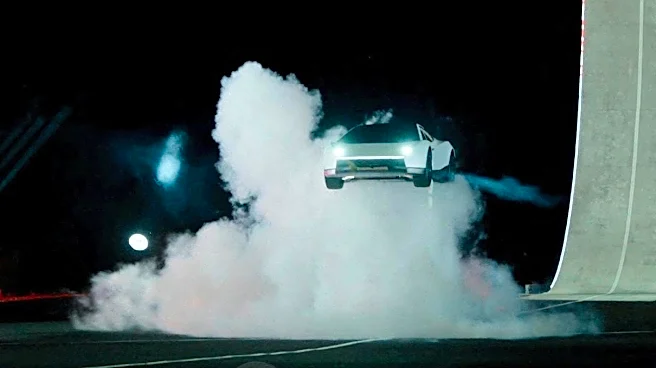
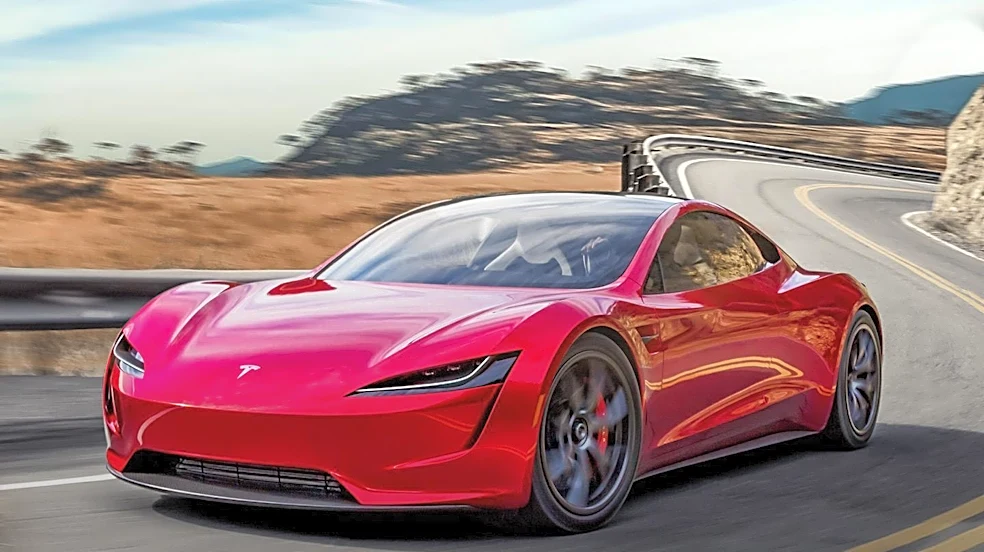
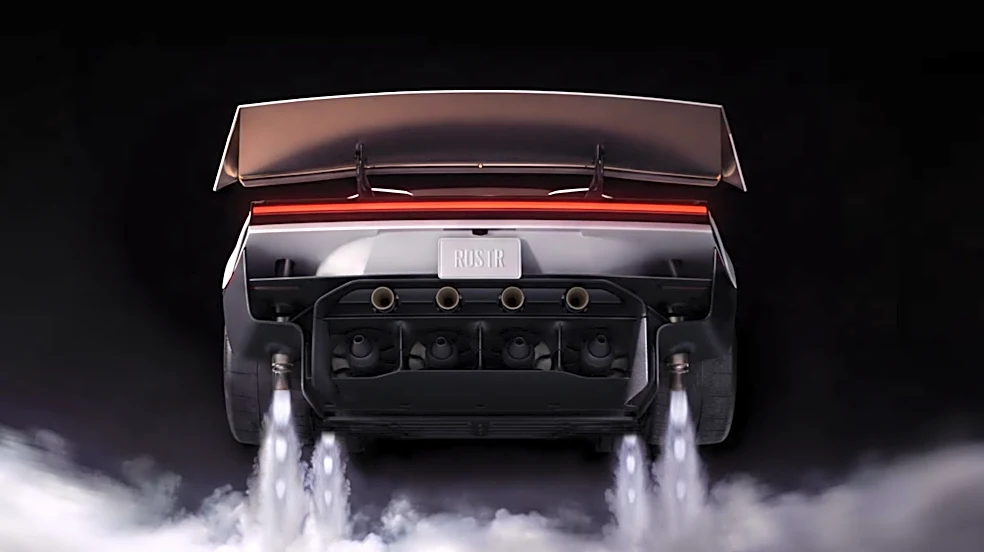
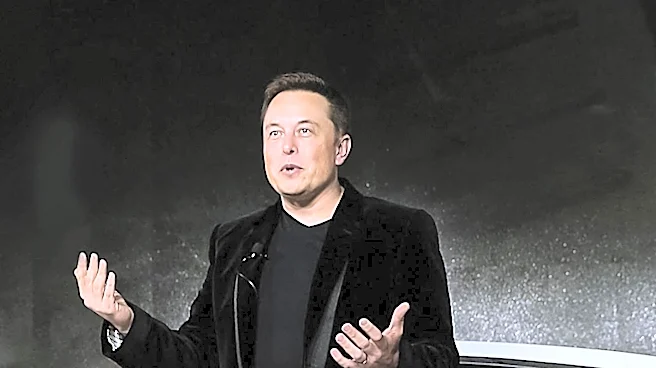
Tesla CEO Elon Musk unveiled the second-generation Roadster, which he claims is capable of 'crazy gymnastics,' including hopping off the ground and spinning in the air. The prototype is also said to accelerate from 0 to 60 mph in 0.8 seconds, with the production
model expected to be even quicker. Musk acknowledged uncertainty regarding the car's street legality in all jurisdictions. Industry observers, including Gene Munster, managing partner at Deepwater Asset Management, view this reveal primarily as an 'engineering flex' with significant value in attracting top tech talent rather than an immediate commercial sales driver. This strategy aligns with Musk's past practices of using product spectacles, such as Neuralink presentations and AI Day events, as recruiting opportunities.
Why It's Important?
This strategic unveiling highlights Tesla's unique approach to talent acquisition and brand positioning. By showcasing extreme technological capabilities, even those with uncertain commercial or regulatory pathways, Tesla reinforces its image as a leader in innovation and a company that tackles challenges other automakers cannot. This perception is crucial for attracting highly skilled engineers and AI specialists, who are in high demand across various industries. The event also serves to maintain investor confidence, as Tesla is often valued more like a technology company than a traditional automotive manufacturer, with significant bets placed on its ambitions in autonomy, artificial intelligence, robotics, and robotaxis. The 'flying' Roadster makes these technological aspirations more tangible and exciting for both potential employees and the financial markets.
What's Next?
Tesla is expected to continue leveraging such high-profile product reveals as part of its ongoing recruitment efforts, particularly for its AI and engineering divisions. The company will likely face continued scrutiny and discussion regarding the practical implementation and regulatory challenges of the Roadster's advanced features. While the immediate commercial impact of the 'flying' Roadster may be limited, its role in enhancing Tesla's brand as an innovation hub is likely to persist. Future developments will include potential updates on the Roadster's production timeline, further details on its 'flying' technology, and any progress on making such features compliant with automotive regulations. The company's ability to convert this technological spectacle into tangible advancements in its core areas of autonomy and AI will be a key indicator of its long-term success.
Beyond the Headlines
The unveiling of the 'flying' Roadster transcends a mere product launch; it represents a sophisticated blend of marketing, recruitment, and vision-casting. It underscores a broader trend where technology companies use aspirational and even fantastical concepts to inspire and attract the best minds, creating a self-fulfilling prophecy of innovation. This approach challenges traditional business models that prioritize immediate commercial viability, instead focusing on long-term technological leadership and talent acquisition as primary drivers of value. The event also sparks public imagination about the future of transportation, pushing the boundaries of what is considered possible and potentially influencing future research and development across the automotive and aerospace sectors. The ethical and safety implications of such advanced technologies will also become increasingly relevant as they move closer to reality.