







What's Happening?
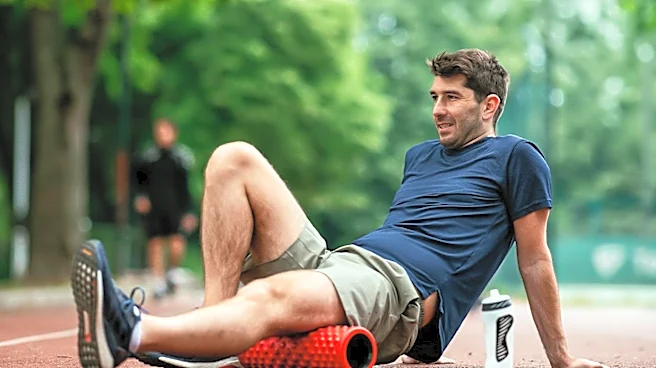
Modern gym culture is undergoing a significant transformation, moving beyond the traditional emphasis on simply 'doing more' to incorporate recovery and holistic wellness as central components. This shift is evident in the widespread adoption of recovery techniques
such as foam rolling, massage devices, and cold plunges, which are now common even in home gym setups. The focus has broadened to include aspects like adequate sleep, planned rest days, mobility work, and post-workout nutrition. This evolution reflects a growing understanding that fitness is a long-term commitment requiring sustained effort and proper bodily maintenance, rather than just intense, short-term training. Professional athletes have long utilized these recovery methods, and now, with increased accessibility to equipment and knowledge, these practices are becoming mainstream for regular gym-goers.
Why It's Important?
This evolution in gym culture is important because it promotes a more sustainable and injury-preventative approach to fitness. By prioritizing recovery, individuals are better equipped to maintain their training routines over extended periods, reducing the risk of burnout and injury. This shift also redefines the concept of a 'workout,' integrating rest and recuperation as integral parts of the fitness journey. For the fitness industry, this means a growing market for recovery-focused products and services, from specialized equipment for home gyms to professional recovery therapies. It also encourages a more informed and health-conscious consumer base, who are increasingly seeking comprehensive wellness solutions rather than just intense physical exertion. This broader perspective on fitness can lead to improved overall public health outcomes and a more positive relationship with exercise.
What's Next?
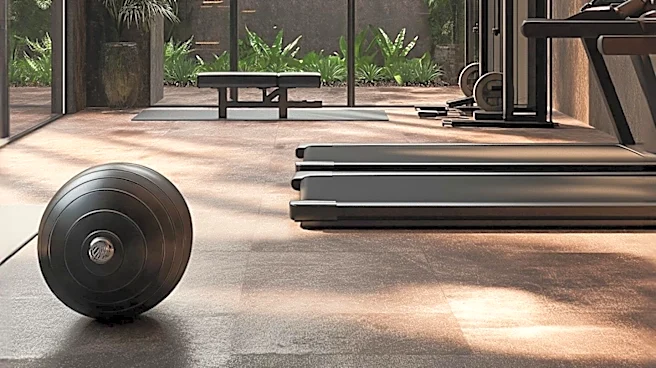
The trend towards integrating recovery into fitness is expected to continue, with further innovation in accessible recovery tools and methodologies. Home gyms are likely to evolve further, incorporating more dedicated spaces and equipment for mobility and recovery, such as saunas and cold plunges. The fitness industry will likely see continued growth in products and services that support holistic wellness, including wearable technology that tracks recovery metrics and personalized nutrition plans. Educational initiatives will also play a crucial role in informing individuals about the importance of recovery and how to effectively incorporate it into their routines. As fitness becomes more personalized, the emphasis will be on tailoring recovery strategies to individual needs and training goals, moving away from a one-size-fits-all approach.
Beyond the Headlines
The deeper implication of this shift is a re-evaluation of societal perceptions of health and physical activity. It challenges the 'no pain, no gain' mentality, advocating for a more balanced and mindful approach to physical well-being. This cultural change could lead to a reduction in overtraining injuries and a more inclusive fitness environment that caters to diverse needs and goals. Ethically, it promotes a greater sense of self-care and listening to one's body, fostering a healthier relationship with exercise that extends beyond aesthetic goals. This long-term shift could also influence public health policies, encouraging broader access to wellness resources and education, ultimately contributing to a more resilient and healthier population.