



What's Happening?
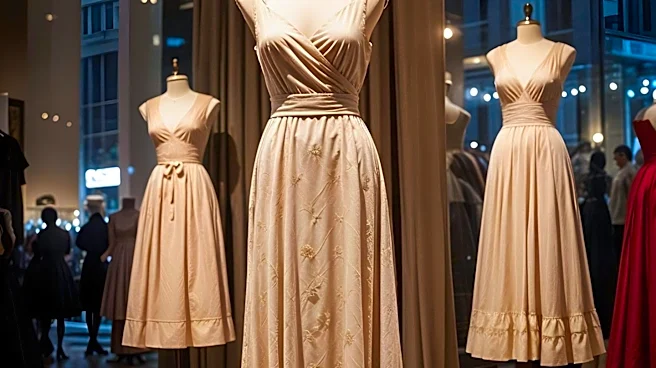
The Cleveland Museum of Art (CMA), in partnership with Case Western Reserve University (CWRU), is set to host the 52nd Annual Cleveland Symposium on November 13, 2026. This year's symposium, titled 'Wear: Indexing the Human Body,' will explore the dual
meaning of 'wear'—referring to clothing, accessories, and adornments, as well as the physical damage items accumulate over time. The event, one of the longest-running annual art history symposia in the United States organized by graduate students, will feature graduate presentations, gallery tours, and art-viewing sessions. Dr. Chassica Kirchhoff, associate curator of European sculpture and decorative art at the Detroit Institute of Art, will deliver the keynote address titled 'Shifting Spirals: The Horns of Henry VIII’s Helmet and the Changeable Forms of Luxury Armor.' The symposium is free to attend, though RSVP is requested.
Why It's Important?
This symposium holds significance for the academic and cultural communities in the U.S., particularly within art history and museum studies. By bringing together graduate students and established curators, it fosters intellectual exchange and contributes to scholarly discourse on material culture and its interpretation. The focus on 'wear' as both adornment and evidence of time offers a multidisciplinary lens through which to examine historical artifacts and contemporary practices. For students, it provides a platform to present their research and engage with peers and experts. For the public, it offers an opportunity to delve into nuanced discussions about art, history, and the human relationship with objects, potentially influencing how museums curate and interpret their collections and how the public perceives the stories embedded in worn items.
What's Next?
Following the graduate presentations and gallery tours, the symposium will conclude with Dr. Chassica Kirchhoff's keynote lecture and a public reception. The discussions and research presented at the symposium may inspire future academic projects, exhibitions, or conservation efforts related to the study of 'wear' in art and historical objects. The event's success could also reinforce the importance of collaborative initiatives between academic institutions and museums, potentially leading to more joint programs that enrich both scholarly research and public engagement with art history. The insights shared could also inform pedagogical approaches in art history departments across the country.
Beyond the Headlines
The theme of 'Wear: Indexing the Human Body' delves into profound cultural and philosophical implications. It encourages a deeper understanding of how objects, particularly clothing and armor, not only reflect identity and status but also bear the marks of human interaction and the passage of time. This perspective challenges conventional views of artifacts as static objects, instead highlighting their dynamic relationship with human experience. The symposium's exploration of 'wear and tear' can also prompt discussions about sustainability and the lifecycle of materials, resonating with contemporary concerns about consumption and preservation. It underscores the idea that every mark, every alteration on an object, tells a story, offering a tangible link to past lives and societal practices.