




What's Happening?
GameStop CEO Ryan Cohen has voiced strong opposition to the video game industry's increasing shift towards digital-only game distribution. According to a Bloomberg report, Cohen stated that this trend negatively impacts consumers and poses challenges
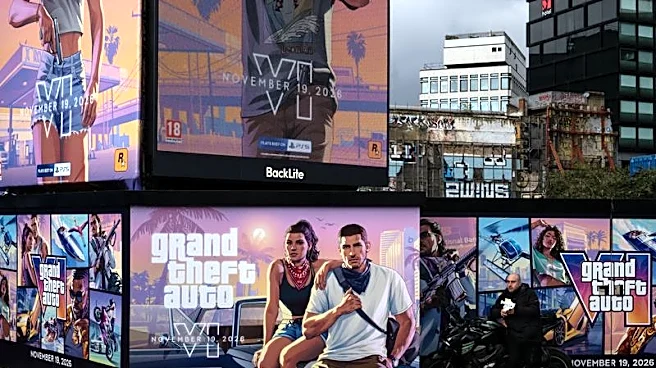
for GameStop's traditional retail business model, particularly its used-game segment. He emphasized that consumers should retain the ability to sell, trade, or lend games they purchase. This criticism comes as GameStop's stock (GME) is experiencing renewed attention from retail traders, who are anticipating a potential 'GTA 6 squeeze' following the release of 'Grand Theft Auto VI'. Despite the game's blockbuster launch, its digital-only nature, even for physical boxed versions which contain download codes rather than discs, highlights the very issue Cohen is addressing. GameStop's sales of used and refurbished products in Q2 amounted to approximately $171 million, representing 22% of total revenue, but also a 32% decrease from the previous year.
Why It's Important?
The stance taken by GameStop CEO Ryan Cohen is significant for several reasons, primarily impacting the retail gaming sector and consumer rights within the digital economy. His criticism underscores a broader industry debate about game ownership and the value proposition for consumers in an increasingly digital landscape. For GameStop, a company historically reliant on physical game sales and the lucrative used-game market, the shift to digital-only titles directly threatens a core part of its business model. The decline in used and refurbished product sales, as reported in Q2, illustrates this vulnerability. If the industry continues its trajectory towards digital distribution, GameStop will need to fundamentally re-evaluate its strategy to remain relevant. For consumers, Cohen's argument highlights concerns about the inability to resell or share digital purchases, which diminishes the long-term value and flexibility of their game libraries. This issue could lead to increased consumer advocacy for more flexible digital rights or a push for hybrid models that offer both digital convenience and physical ownership benefits.
What's Next?
The ongoing debate initiated by GameStop CEO Ryan Cohen regarding digital-only games is likely to intensify, especially as major titles like 'Grand Theft Auto VI' continue to be released primarily in digital formats. GameStop will need to adapt its business strategy to mitigate the impact of this industry trend, potentially by focusing more on hardware, accessories, collectibles, and in-store experiences that cannot be replicated online. The company's stock performance will remain a key indicator, influenced by both retail trader sentiment, such as the 'GTA 6 squeeze' anticipation, and fundamental business adjustments. Publishers, on the other hand, may face increasing pressure from consumer groups and retailers to consider hybrid distribution models or to offer more robust digital rights. The long-term implications could include a re-evaluation of digital licensing agreements, potential regulatory discussions around digital ownership, and continued innovation in how physical and digital products coexist in the gaming market.
Beyond the Headlines
Beyond the immediate financial implications for GameStop and the gaming industry, CEO Ryan Cohen's comments touch upon deeper ethical and legal questions surrounding digital ownership. The concept of 'owning' a digital product, as opposed to merely licensing it, is a complex issue with significant implications for consumer rights, intellectual property, and the future of commerce. If consumers cannot resell or lend digital games, it fundamentally alters the traditional understanding of ownership, potentially leading to a future where access is prioritized over possession. This shift could also impact the secondary market for digital goods, which currently faces significant barriers. The debate could spur legal challenges or legislative efforts to define digital ownership more clearly, potentially influencing other digital content industries like music, movies, and software. Ultimately, the outcome of this discussion could redefine consumer expectations and rights in the digital age, prompting a broader societal conversation about the nature of property in a virtual world.