




What's Happening?
Multifunctional furniture is emerging as a practical solution for furnishing small living spaces in the U.S., allowing single pieces to serve multiple purposes. This approach helps reduce clutter and maximize utility in apartments, condos, and small bedrooms.
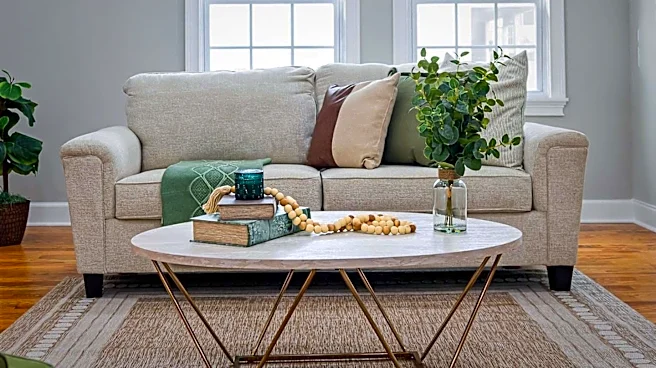
Examples include ottomans with hidden storage that can function as coffee tables or extra seating, daybeds that convert from sofas to beds, and nesting tables that expand when additional surface area is needed. The strategy focuses on choosing furniture with slimmer profiles, exposed legs, and appropriate proportions for the room, rather than simply buying the smallest items. This design philosophy aims to create a sense of openness and functionality, even in limited square footage, by ensuring each item earns its place and supports various activities without overwhelming the room. The goal is to maintain a tidy and functional interior, supporting diverse needs while preserving a calm aesthetic.
Why It's Important?
The increasing popularity of multifunctional furniture is significant for the U.S. housing market and consumer lifestyle trends, particularly given the rise in urban living and smaller home footprints. This trend directly impacts furniture manufacturers and retailers, who are adapting their product lines to meet the demand for space-saving and versatile pieces. For consumers, it offers a practical way to enhance living quality in compact environments, making small apartments and homes more livable and adaptable. The emphasis on functionality and tidiness can also influence interior design practices, promoting minimalist aesthetics and efficient spatial planning. This shift reflects a broader societal move towards optimizing resources and living more efficiently, which can have long-term implications for residential development and urban planning in the U.S. as more people seek practical solutions for limited living areas.
What's Next?
The trend towards multifunctional furniture is expected to continue growing, with manufacturers likely to innovate further in design and technology to offer more sophisticated and integrated solutions. Consumers can anticipate a wider range of products that seamlessly blend multiple functions, such as beds with built-in storage, convertible desks, and modular seating arrangements. Retailers will likely expand their offerings of such items, making them more accessible and affordable. Additionally, interior designers may increasingly specialize in small-space solutions, incorporating these furniture types into their core recommendations. This could lead to a greater emphasis on flexible and adaptable home layouts in new residential constructions, catering to a demographic that values efficiency and versatility in their living spaces. The market will likely see more customizable options to fit diverse aesthetic preferences and functional requirements.
Beyond the Headlines
Beyond the immediate practical benefits, the embrace of multifunctional furniture reflects a deeper cultural shift in the U.S. towards conscious consumption and efficient living. It challenges traditional notions of home design, where each room and piece of furniture had a singular purpose. This evolution encourages a more dynamic and adaptable relationship with living spaces, promoting creativity in how individuals utilize their homes. Ethically, it aligns with principles of sustainability by encouraging less consumption and more thoughtful use of resources, as one piece of furniture can replace several. This trend also highlights the psychological impact of clutter on well-being, suggesting that a more organized and functional environment can contribute to a calmer and more productive lifestyle. The long-term implication could be a redefinition of luxury in home design, moving from sheer size to intelligent design and versatility.