
What's Happening?
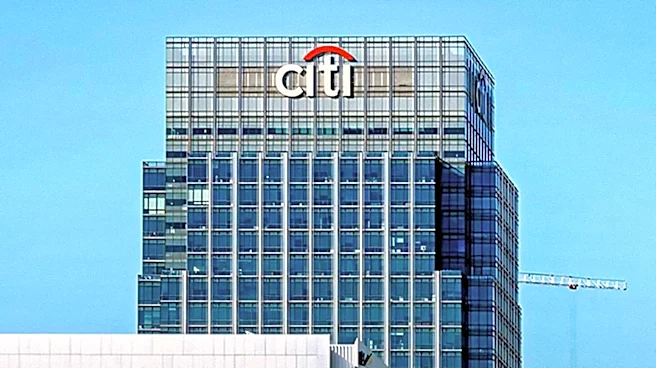
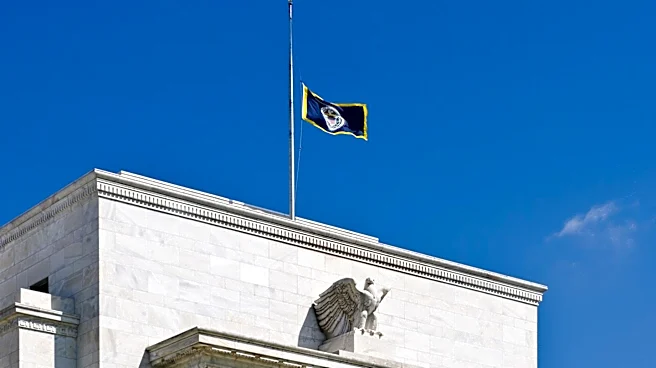
The World Bank Group is investigating the use of regulated stablecoins to enhance the speed, cost-efficiency, and transparency of development financing. This initiative involves a collaboration with Citi
and Circle Internet Group to explore alternatives to traditional banking systems for international fund disbursements. The focus is on U.S. dollar-denominated stablecoins and blockchain-based settlement systems. Citi will provide its established banking network connections, while Circle will supply the infrastructure for minting and settling funds in USDC, a dollar-denominated stablecoin. This exploration aims to determine if digital payment infrastructure can complement or improve existing correspondent banking arrangements used by the World Bank Group. The initiative is positioned as an assessment of potential operational benefits rather than a confirmed replacement of current systems, with no specific cost reduction estimates or implementation timelines provided yet. The World Bank Group already utilizes a blockchain platform called FundsChain for tracking project funds in 96 countries, and this new effort extends the exploration to the execution and settlement of payments themselves.
Why It's Important?
This exploration by the World Bank Group signifies a potential shift in how international development funds are managed and disbursed, impacting global financial infrastructure and the adoption of digital assets. If successful, integrating stablecoins could lead to faster and cheaper transfers of aid, potentially freeing up more resources for development projects by reducing operational overhead. This move could also increase transparency in financial flows, which is crucial for accountability in development finance. For the financial industry, it highlights the growing acceptance and potential utility of stablecoins beyond speculative trading, pushing traditional institutions like Citi to engage with blockchain technology. It also underscores the pressure on development institutions to innovate and maximize the impact of limited financial resources, potentially setting a precedent for other international organizations to explore similar digital payment solutions. The initiative's focus on intermediated and interoperable approaches suggests a future where traditional banking and blockchain systems coexist and complement each other.
What's Next?
The immediate next steps involve the World Bank Group, Citi, and Circle conducting a thorough assessment of the stablecoin payment model. This will include evaluating its operational viability within permitted regulatory environments, its ability to effectively connect with established banking networks, and its capacity to demonstrate measurable advantages over existing disbursement processes. The initial exploration will engage borrower countries where digital asset use is legally supported, indicating that regulatory compatibility will be a key determinant of the initiative's reach. The World Bank Group also plans to explore cooperation with additional banks over time, which could broaden the banking connections available to the proposed infrastructure. The success of this phase will dictate whether stablecoin-based disbursements move from exploration to pilot programs and eventual broader implementation, potentially influencing policy decisions regarding digital assets in international finance and development aid.
Beyond the Headlines
This initiative delves into the broader implications of digital currency adoption in critical sectors like international development. Beyond mere transactional efficiency, the World Bank's exploration touches upon fundamental questions of financial inclusion, sovereignty, and the future of global monetary systems. The potential for enhanced transparency through blockchain could significantly reduce corruption and improve accountability in aid distribution, fostering greater trust among donors and recipients. However, it also raises complex legal and regulatory challenges, particularly concerning jurisdiction, anti-money laundering (AML) compliance, and the stability of stablecoin pegs in diverse economic environments. The collaboration between a multilateral institution, a global bank, and a crypto company signals a growing convergence of traditional finance and decentralized technologies, potentially reshaping the landscape of international payments and challenging existing power structures in global finance. The long-term impact could be a more resilient, efficient, and equitable global financial infrastructure, but also one that requires careful navigation of technological, regulatory, and geopolitical complexities.