




What's Happening?
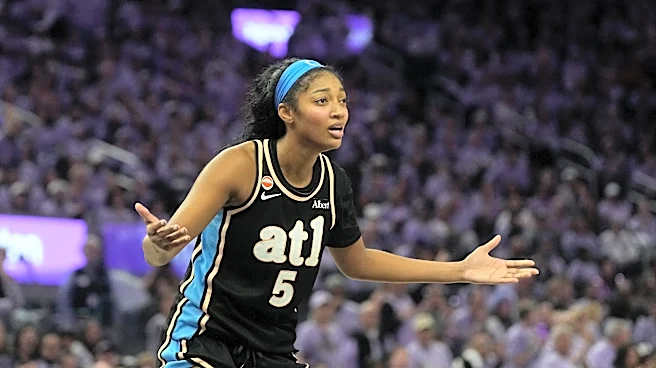
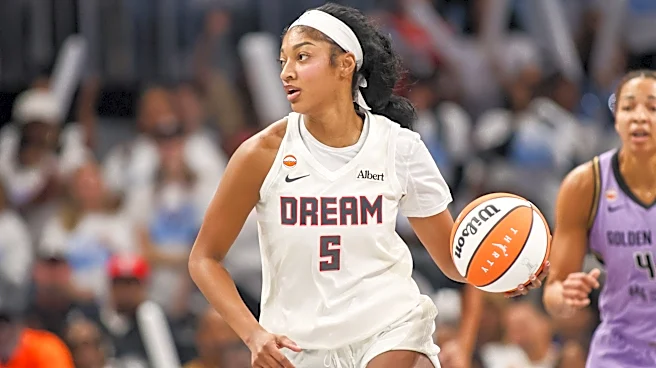
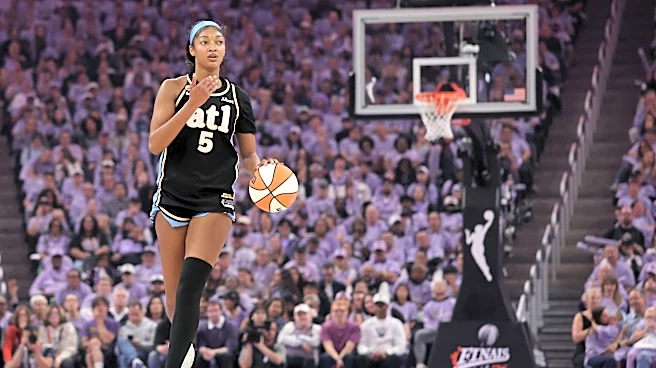
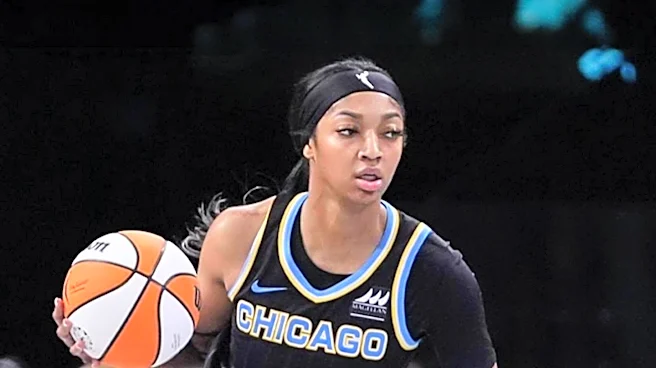
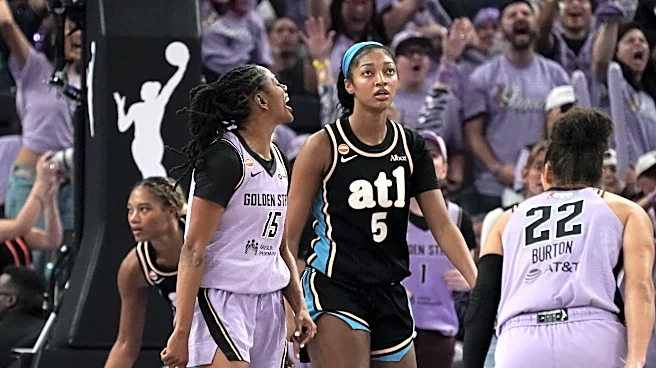
Fox News analyst Tomi Lahren criticized WNBA player Angel Reese's pre-game attire before Game 5 of the 2026 WNBA Finals, transforming a fashion choice into a broader discussion about race, player treatment, and physical play within the league. Reese wore
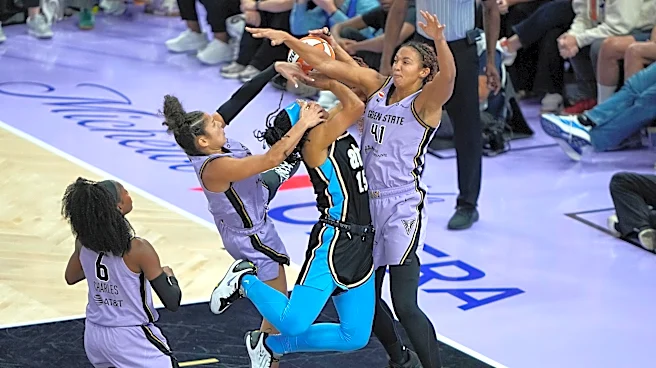
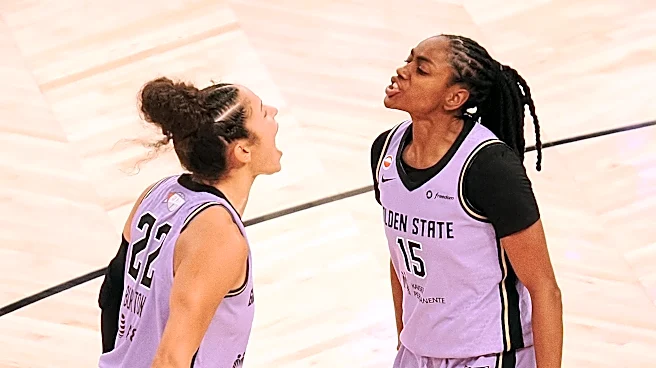
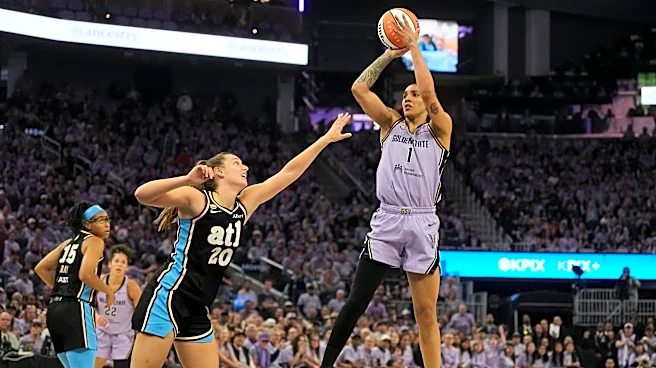
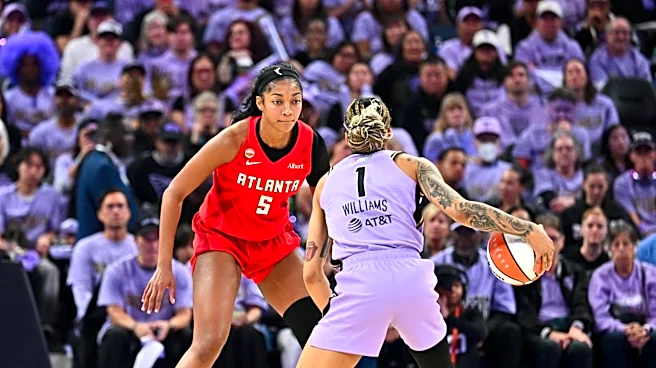
a black shirt emblazoned with 'Protect Black Women' in yellow. Lahren's comments, made on the platform X, referenced Indiana Fever players Caitlin Clark and Sophie Cunningham, stating, 'It’s weird because I’m pretty sure it’s been the black women of the WNBA who have beaten up on Clark and Cunningham all season….' This statement linked Reese's message to physical incidents involving Clark and Cunningham during the season. The incident occurred as the Atlanta Dream lost to the Golden State Valkyries, leaving Golden State one win away from the championship title. Reese has previously spoken about facing online abuse, including racist attacks, which the WNBA addressed in 2024 by stating it would not tolerate such comments and would monitor threats.
Why It's Important?
This incident highlights ongoing tensions and complex issues within the WNBA, particularly concerning race, player safety, and public perception. Lahren's comments, by invoking specific players and racial dynamics, have fueled a debate about whether Black and white players receive equitable public and official responses when addressing their treatment on the court. The discussion also touches upon the league's officiating consistency regarding physical play, with past incidents involving Alyssa Thomas and DiJonai Carrington resulting in Flagrant Foul 2 designations and suspensions after reviews. The broader significance lies in how these public exchanges can impact the league's image and its efforts to foster an inclusive environment, especially as the WNBA experiences a surge in popularity and viewership. The controversy underscores the challenges of managing diverse narratives and addressing sensitive social issues within a professional sports league.
What's Next?
The debate ignited by Tomi Lahren's comments is likely to continue, potentially prompting further responses from WNBA players, coaches, and the league itself. Stakeholders, including player associations and advocacy groups, may weigh in on the implications of such public criticisms, particularly those touching on race and gender. The WNBA may face renewed pressure to clarify its stance on player conduct, fan interactions, and the handling of social commentary from its athletes. This incident could also influence how media personalities approach discussions about WNBA games and players, potentially leading to more scrutiny of their commentary. The ongoing WNBA Finals, with the Golden State Valkyries one win away from the title, will continue to be a platform where these discussions might unfold, especially if players choose to address the controversy directly.
Beyond the Headlines
Beyond the immediate controversy, this event exposes deeper societal currents regarding race, gender, and the public discourse surrounding professional sports. Angel Reese's 'Protect Black Women' shirt is not merely a fashion statement but a political and social declaration, reflecting broader movements and concerns about the treatment of Black women in society. Lahren's response, by framing it within the context of on-court physicality involving white players, inadvertently highlights the racialized lens through which some public figures view and comment on the WNBA. This incident underscores the ethical responsibility of media analysts to engage with sensitive topics thoughtfully, avoiding rhetoric that could exacerbate racial divisions. It also brings to light the ongoing struggle for Black women athletes to control their narratives and advocate for themselves in spaces where their experiences are often scrutinized or dismissed.