

What's Happening?
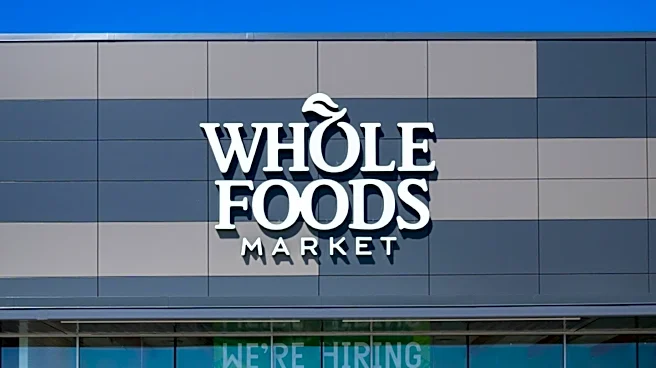
A new development along Brooks Street in Missoula is slated to include a Whole Foods Market as its primary tenant, according to a listing shared by Sterling Commercial Real Estate Advisors. This announcement has elicited strong and varied reactions from
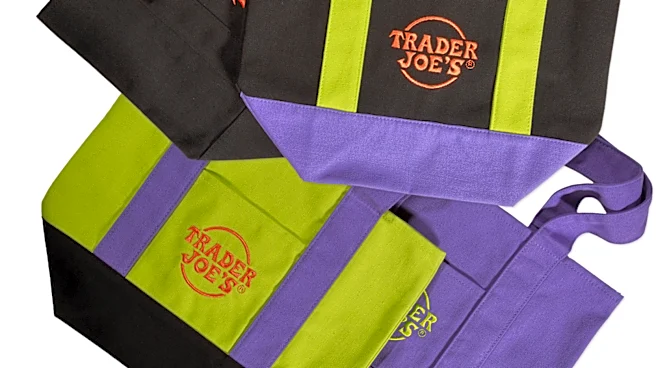
Missoula residents. Social media discussions reveal a spectrum of opinions, with some residents expressing excitement for the high-end grocery store, while others voiced disappointment, preferring a Trader Joe's, or concern over Whole Foods' reputation for high prices. Some locals also highlighted the existing local option, The Good Food Store, questioning the necessity of another upscale grocery. The sentiment appears to be slightly more negative than positive, with many referring to Whole Foods as 'Whole Paycheck.'
Why It's Important?
The planned arrival of Whole Foods Market in Missoula is significant for several reasons. Economically, it represents a substantial investment in the local retail sector, potentially creating new jobs in construction, retail, and supply chain management. However, the mixed public reaction underscores a broader tension between economic development and community identity. The concerns about high prices reflect anxieties about affordability and the potential for gentrification, which could impact the cost of living for current residents. The preference for Trader Joe's or loyalty to The Good Food Store highlights a desire for specific retail experiences or support for local businesses. This situation illustrates how the introduction of a major national brand can spark debate about a city's evolving character, its economic accessibility, and the balance between national chains and local enterprises. It also indicates a diverse consumer base with varying priorities regarding grocery options.
What's Next?
As the development progresses, the next steps will involve the formalization of plans, construction, and eventual opening of the Whole Foods Market. The community will likely continue to engage in discussions about the store's impact, particularly concerning local competition and pricing. It remains to be seen how the market will integrate into Missoula's existing grocery landscape and whether it will attract a significant customer base despite initial price concerns. The reactions could also influence future retail development decisions in Missoula, potentially encouraging developers to consider community preferences more closely. Local businesses, especially other grocery stores, will need to assess their strategies to compete with the new entrant. The long-term success or challenges faced by Whole Foods in Missoula will provide insights into the city's consumer market and its capacity to absorb high-end retail.
Beyond the Headlines
The debate surrounding Whole Foods' entry into Missoula extends beyond mere grocery shopping; it touches upon deeper societal and cultural implications. The 'Whole Paycheck' moniker reflects a perception of economic exclusivity, raising questions about who benefits from such developments and whether they cater to all segments of the population. This situation can exacerbate existing social divisions, particularly between long-term residents and newer, potentially more affluent arrivals. The strong support for local alternatives like The Good Food Store underscores a community value placed on localism, sustainability, and supporting small businesses, which can be challenged by the arrival of large corporate entities. This event serves as a microcosm of the broader national conversation about gentrification, the homogenization of retail landscapes, and the struggle to maintain local character in the face of national commercial expansion. It highlights the complex interplay between economic growth, community values, and social equity in urban development.