





What's Happening?
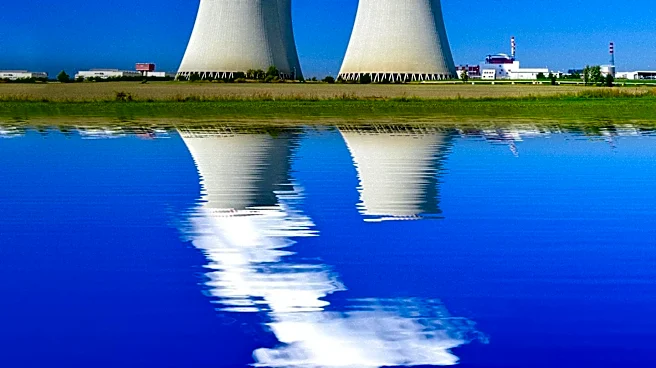
The United States' existing nuclear infrastructure is being recognized as a crucial asset for future energy growth. Despite the focus on new nuclear technologies, the current fleet of over 90 commercial reactors provides a significant portion of the country's
electricity with high reliability. Recent developments, such as the startup authorization for Oklo's Groves Isotope Test Reactor, highlight the potential for modern regulatory pathways to facilitate nuclear projects. The Department of Energy and the Nuclear Regulatory Commission are working to streamline licensing and accelerate advanced-reactor deployment. This approach aims to leverage the existing nuclear ecosystem, including reactors, workforce, and infrastructure, to support a nuclear renaissance in the U.S.
Why It's Important?
The emphasis on existing nuclear infrastructure underscores the strategic value of leveraging current assets to meet future energy demands. As the U.S. seeks to expand its nuclear capacity, utilizing the established reactors and regulatory frameworks offers a cost-effective and efficient path forward. This approach aligns with the growing demand for reliable, carbon-free energy sources, driven by advancements in artificial intelligence and data centers. The focus on existing infrastructure also highlights the importance of maintaining a skilled nuclear workforce and supporting local economies. By extending reactor lifespans and improving plant performance, the U.S. can enhance its energy security and reduce reliance on fossil fuels.
What's Next?
The U.S. is likely to continue exploring opportunities to extend the operational life of existing reactors and pursue power uprates to increase generating capacity. Regulatory reforms and investment in advanced nuclear technologies will play a critical role in facilitating this growth. The success of these initiatives will depend on collaboration between government agencies, industry stakeholders, and local communities. As the nuclear sector evolves, the U.S. may also focus on developing new reactor designs and expanding its nuclear workforce to support future projects. The ongoing modernization of nuclear permitting processes could pave the way for a more robust and resilient energy infrastructure.