


What's Happening?
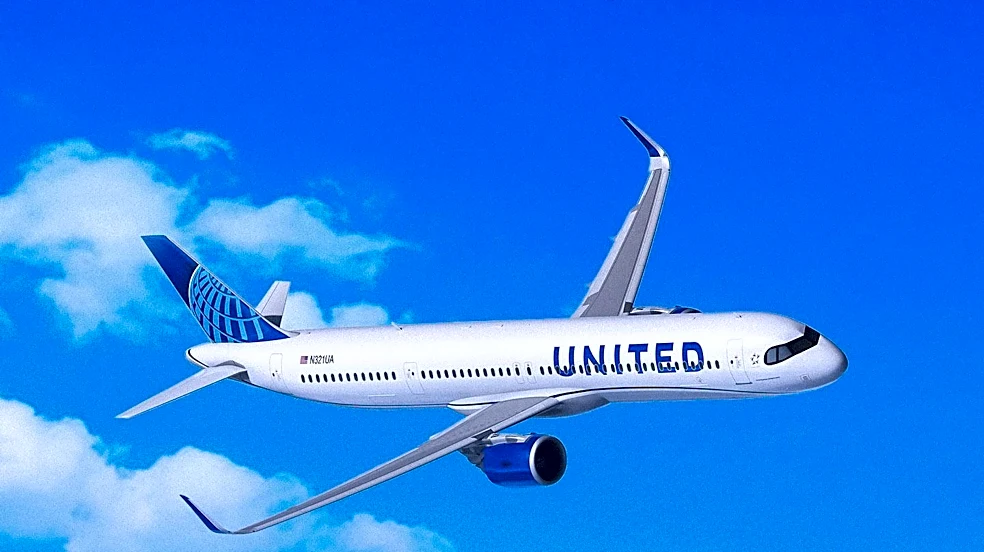
United Airlines is expanding its fresh meal preorder program for economy class passengers to include shorter flights, specifically those over 900 miles across North America and the Caribbean. This change adds 420 more flights daily, allowing up to 65,000
additional customers per day to access meal preorders. Passengers can now choose from a rotating menu of fresh sandwiches, burritos, burgers, pasta, and breakfast options via the airline's website or mobile app, from five days up to 24 hours before departure. This initiative is part of United's broader strategy to enhance the onboard experience, which also includes expanding live sports streaming options. The airline recently added TBS to its live streaming lineup on Starlink-enabled seatback screens, offering access to playoff baseball and other live programming from major networks like ABC, CBS, NBC, FOX, ESPN, and NFL Network on over 200 aircraft, covering approximately 900 flights daily. These enhancements are complemented by the ongoing rollout of fast, free Starlink Wi-Fi for MileagePlus members and an increase in available entertainment content.
Why It's Important?
This expansion by United Airlines signifies a strategic move to improve customer satisfaction and loyalty in a competitive airline industry. By offering more meal choices and entertainment options on a wider range of flights, United aims to differentiate its service and cater to evolving passenger expectations. The ability to preorder meals provides convenience and potentially reduces food waste, while expanded live sports streaming appeals to a significant segment of travelers who wish to stay connected to events while in transit. These improvements could lead to increased passenger preference for United, especially among business travelers and sports enthusiasts. The investment in Starlink Wi-Fi and seatback screens also positions United as a leader in onboard technology, potentially attracting tech-savvy customers. For the airline, these enhancements could translate into higher ancillary revenue from meal sales and a stronger brand image, ultimately impacting its market share and profitability.
What's Next?
United Airlines plans to continue its fleet-wide upgrades, with Starlink Wi-Fi installations expected to be completed across the entire fleet by 2027. The airline is also continuing to install seatback screens, aiming for up to 1,000 aircraft by the end of 2027, and is introducing new airplanes with larger 27-inch, 4K OLED seatback screens. Further enhancements to food and beverage options are also anticipated, with refreshed snackboxes and new seasonal offerings planned for November 1. These ongoing investments suggest a sustained focus on improving the passenger experience across all classes of service. Competitors in the U.S. airline market may respond by introducing similar services or accelerating their own upgrade programs to maintain competitiveness. Passengers can expect a more connected and personalized travel experience with United as these initiatives roll out.
Beyond the Headlines
The trend of airlines investing heavily in onboard amenities like meal preorders, advanced entertainment systems, and high-speed Wi-Fi reflects a broader shift in the aviation industry towards a more consumer-centric model. As air travel becomes increasingly commoditized, airlines are seeking to create value through enhanced experiences rather than solely competing on price. This strategy also highlights the growing importance of technology in modern air travel, with Starlink Wi-Fi and advanced seatback screens becoming standard expectations rather than luxury features. The ability to offer personalized services, such as meal preorders, also generates valuable data for airlines, allowing them to better understand customer preferences and tailor future offerings. This focus on customer experience could lead to a more segmented market, where airlines differentiate themselves based on the quality and range of their onboard services, potentially influencing passenger loyalty and purchasing decisions in the long term.