


What's Happening?
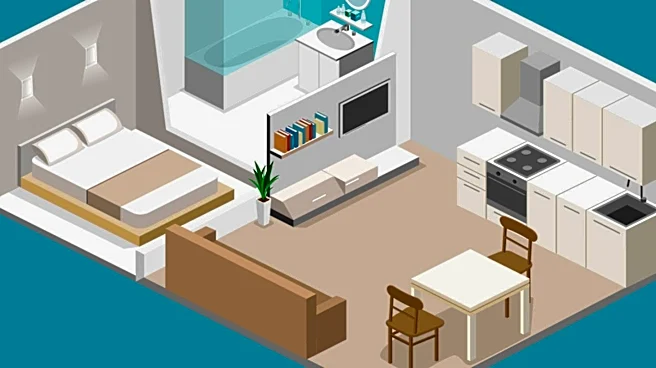
Multifunctional furniture is gaining prominence for its ability to serve multiple purposes within a single space, addressing the growing need for spatial efficiency and adaptability in contemporary living environments. This trend emphasizes designs that
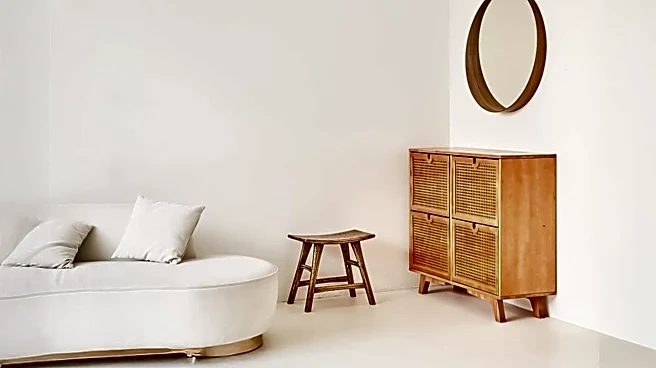
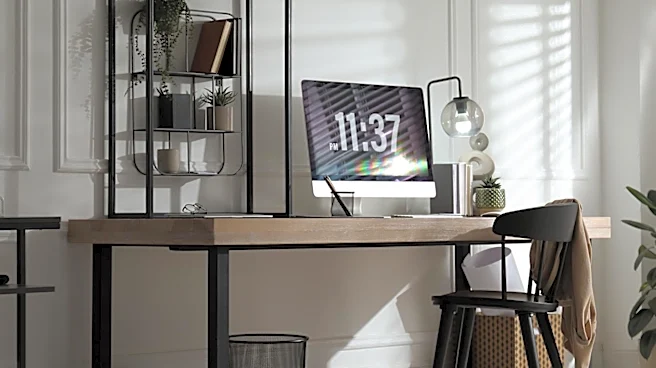
can transform and reconfigure to meet various needs, such as sofas that convert into beds, and modular furniture that can be easily rearranged. The core idea is to provide responsive, metamorphic pieces that prioritize visual lightness and negative space, particularly beneficial in smaller homes or apartments. Examples include foldable desks for remote workers, storage benches that hold shoes and bags, and coffee tables with hidden compartments. This approach moves beyond traditional furniture design by focusing on practical innovation and problem-solving, ensuring that furniture adds value to a space rather than merely occupying it. The design philosophy centers on asking how a piece can do more than its obvious function, leading to solutions like beds that lift to reveal closets or sofas with built-in USB ports.
Why It's Important?
The rise of multifunctional furniture is significant for U.S. households and the furniture industry as it directly responds to evolving living trends, including smaller living spaces, flexible work arrangements, and busy lifestyles. For consumers, it offers a practical solution to maximize usable floor area and adapt to changing needs without requiring frequent, costly replacements. This is particularly impactful for dynamic households, such as those with growing children or individuals living in compact urban dwellings, where storage requirements fluctuate. The industry benefits by innovating beyond traditional designs, focusing on sustainability through longevity and adaptability, and catering to a market that values both form and function. By providing versatile pieces that can be reconfigured, the furniture sector can meet diverse demands, from day-to-night usability to aesthetic customization, ultimately enhancing the quality of life in increasingly constrained living spaces and promoting more conscious consumption patterns.
What's Next?
The trend towards multifunctional furniture is expected to continue evolving, with a focus on integrating advanced technology and sustainable materials. Future developments may include more sophisticated modular systems that offer greater customization through digital tools, allowing consumers to design and reconfigure pieces to their exact specifications. There will likely be an increased emphasis on smart furniture that incorporates features like integrated charging solutions, adjustable lighting, and even climate control, further enhancing convenience and efficiency. Manufacturers are also anticipated to explore eco-friendly materials and production methods, aligning with growing consumer demand for sustainable products. Additionally, the market may see a rise in subscription-based or rental models for modular furniture, providing even greater flexibility for transient lifestyles. This ongoing innovation will likely lead to furniture that is not only adaptable and space-saving but also seamlessly integrated into the smart home ecosystem, offering comprehensive solutions for modern living.
Beyond the Headlines
Beyond its immediate practical benefits, the shift towards multifunctional furniture reflects broader societal and cultural changes in the U.S., particularly concerning urbanization and evolving perceptions of home. As urban populations grow and living spaces shrink, the psychological impact of clutter and the desire for minimalist, efficient environments become more pronounced. Multifunctional furniture addresses this by promoting a sense of order and calm, reducing visual noise, and fostering a more intentional approach to living. Ethically, it supports sustainability by extending the lifespan of furniture and reducing waste, aligning with a growing environmental consciousness. Culturally, it signifies a move away from static, permanent home setups towards dynamic, adaptable spaces that can evolve with individual and family needs. This trend also challenges traditional notions of ownership, favoring flexibility and utility over accumulation, potentially influencing future housing designs and consumer behaviors towards more fluid and less material-intensive lifestyles.