

What's Happening?
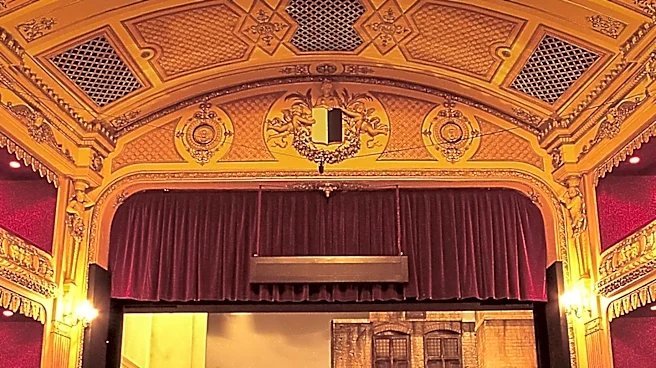
The Minnesota Fringe Festival, taking place from August 6-16, 2026, is offering enhanced accessibility services for attendees. Select shows at the festival will provide American Sign Language (ASL) interpretation, Audio Description (AD), and Open Captioning
(OC) to ensure inclusivity for all audience members. The festival, now in its 33rd year, includes a variety of performances, some of which are primarily non-verbal or dance shows. The festival organizers have made provisions for free admission to access performances for patrons requiring ASL and AD services. These services are available at six ASL-interpreted performances and six Audio Described shows. Attendees can claim free tickets at the venue box office by identifying themselves as users of access services, which also allows for early entry and priority seating.
Why It's Important?
The inclusion of ASL and AD services at the Minnesota Fringe Festival highlights a significant step towards accessibility and inclusivity in the arts. By providing these services, the festival ensures that individuals with hearing and visual impairments can fully participate in and enjoy the performances. This initiative not only broadens the audience base but also sets a precedent for other cultural events to follow. The move is likely to enhance the festival's reputation as an inclusive event, potentially increasing attendance and support from diverse communities. It also reflects a growing awareness and commitment within the arts community to address accessibility challenges, thereby promoting equal opportunities for all individuals to engage with cultural experiences.
What's Next?
As the festival progresses, organizers will likely monitor the effectiveness of the accessibility services and gather feedback from attendees to improve future offerings. The success of these initiatives could encourage other festivals and cultural events to adopt similar measures, fostering a more inclusive environment across the arts sector. Additionally, the festival's approach may inspire discussions and collaborations with advocacy groups to further enhance accessibility in the arts. The ongoing commitment to accessibility could lead to more comprehensive policies and practices that ensure all individuals, regardless of their abilities, can enjoy cultural events without barriers.