




What's Happening?
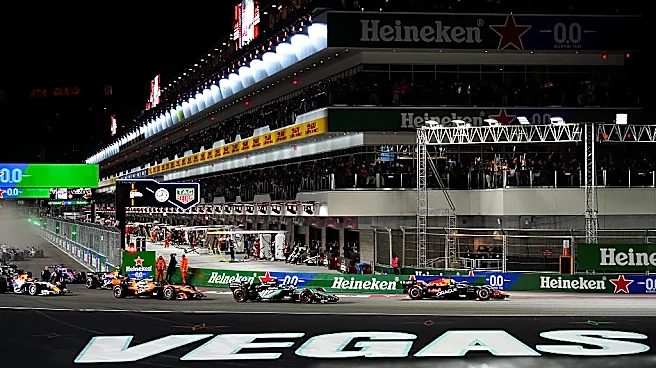
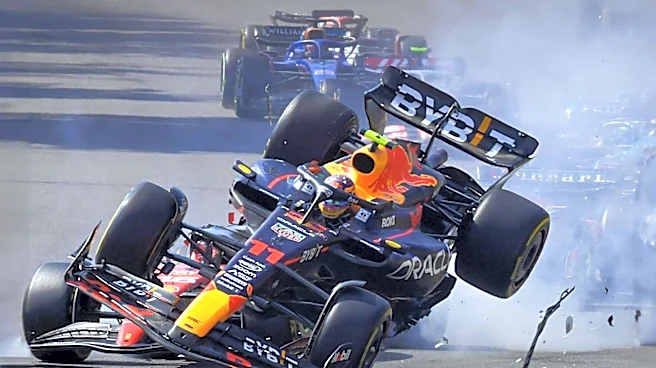
Ferrari is grappling with internal team dynamics after a collision between its two prominent drivers, Lewis Hamilton and Charles Leclerc, during the Las Vegas Grand Prix. The incident resulted in Lewis Hamilton spinning out, drawing parallels to a previous
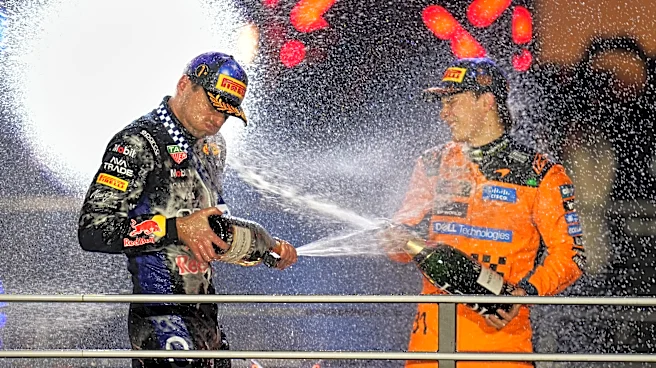
McLaren Singapore Sprint incident. This latest clash has reignited concerns within the team regarding the management of two top-tier drivers. The situation highlights a recurring challenge for Ferrari, as the team navigates the complexities of having multiple high-performing individuals vying for lead positions. The incident in Las Vegas has prompted discussions about the team's strategy and whether it can effectively manage the competitive ambitions of both Hamilton and Leclerc without further on-track conflicts. The stewards deemed the Singapore incident a racing incident, but the Las Vegas event has brought deeper-rooted issues to the forefront for Ferrari.
Why It's Important?
This internal conflict at Ferrari carries significant implications for the team's performance and standing in Formula 1. The inability to effectively manage two 'number one' drivers can lead to lost points, damaged reputations, and a decline in team morale. For a high-profile team like Ferrari, consistent on-track performance is crucial for its brand image, sponsor relations, and fan engagement. Repeated incidents of drivers colliding can undermine strategic race plans and championship aspirations. The situation also impacts the broader competitive landscape of Formula 1, as Ferrari's internal struggles could shift the balance of power among top constructors. The resolution of this issue will be closely watched by competitors and fans alike, as it could dictate Ferrari's trajectory in upcoming seasons and influence how other teams manage their own driver lineups.
What's Next?
Ferrari will likely need to address the underlying issues contributing to the on-track clashes between its drivers. This could involve implementing clearer team orders, re-evaluating driver management strategies, or conducting internal discussions to establish a more cohesive approach to racing. The team principal and strategists will face pressure to prevent similar incidents in future races, which may lead to adjustments in race day protocols or driver briefings. Public statements from team management and drivers will be scrutinized for indications of how the situation is being handled and whether a resolution is in sight. The performance in subsequent Grand Prix events will also be a key indicator of whether Ferrari has successfully navigated this internal challenge and can maintain its competitive edge.
Beyond the Headlines
The recurring theme of 'two number one drivers' in Formula 1 extends beyond Ferrari, touching upon the fundamental nature of competitive sports where individual ambition often intersects with team objectives. This situation raises questions about the psychological dynamics within elite sports teams and the delicate balance between fostering individual talent and ensuring collective success. Ethically, it prompts consideration of whether teams should prioritize individual driver championships or the constructors' championship, and how that priority is communicated and enforced. Legally, while racing incidents are typically handled by stewards, repeated internal conflicts could lead to contractual disputes or changes in driver lineups. Culturally, the narrative of rival teammates within the same organization is a compelling one that resonates with fans, adding drama but also potential instability to the sport.