




What's Happening?
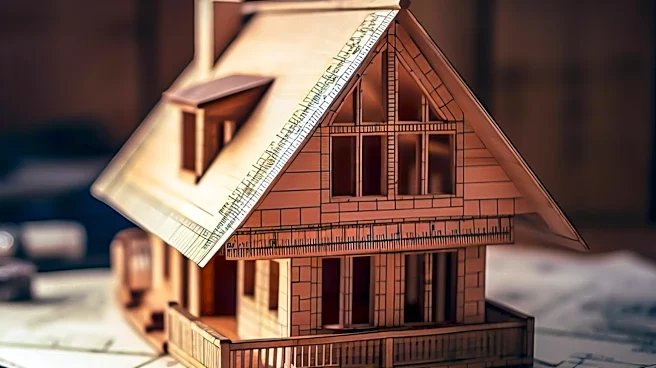
Kathie Schwartz, a 72-year-old California resident, and her husband have built a 480-square-foot tiny home in their backyard in Petaluma, California. This decision was made to avoid moving into a retirement community and to provide a future living space
for a live-in caretaker, as they do not have children. The couple previously downsized from a 3,600-square-foot home in Truckee, California, to their current 1,100-square-foot house. They explored various retirement communities but found them unappealing. Inspired by a friend who built a tiny home for her mother, Schwartz designed their unit with Colorado-based Studio Home. The project, which cost approximately $280,000, took about a year for permitting and construction. The tiny home includes a kitchen, bathroom, and a Murphy bed, and is currently used as a guest house and for mahjong classes.
Why It's Important?
This initiative by Kathie Schwartz represents a growing trend among older Americans seeking alternatives to traditional retirement homes, which often come with high costs and a perceived loss of independence. For the U.S. healthcare and housing industries, this highlights a demand for innovative solutions for aging in place. The construction of Accessory Dwelling Units (ADUs), like Schwartz's tiny home, can alleviate pressure on senior living facilities and offer a more personalized, family-integrated care model. This approach could also stimulate local economies through construction and related services. Furthermore, it addresses the financial burden of long-term care, which is a significant concern for many American families. The story underscores the importance of proactive planning for old age and the desire for autonomy and community as individuals age.
What's Next?
Kathie Schwartz and her husband plan to utilize the tiny home for a live-in caretaker if their health necessitates it, allowing them to remain in their primary residence. This model could inspire more families to consider ADUs as a long-term care solution, potentially leading to increased demand for tiny home builders and changes in local zoning regulations to accommodate such structures. Schwartz also mentioned discussions with friends about collectively purchasing a larger property to build multiple tiny homes, forming a community for aging in place. This suggests a potential future trend of co-housing or intentional communities designed for seniors who wish to maintain independence and social connections outside of traditional retirement settings.
Beyond the Headlines
Kathie Schwartz's decision to build a tiny home for a future caretaker reflects a deeper societal re-evaluation of aging and end-of-life care in the U.S. It challenges the prevailing narrative that retirement homes are the sole or best option for seniors, instead advocating for maintaining independence and community ties. This approach touches upon ethical considerations of dignity in aging, the desire to remain in familiar surroundings, and the importance of intergenerational connections. The concept of friends banding together to create a co-housing community for their later years speaks to a growing need for alternative social structures that provide support and companionship. This shift could lead to a broader cultural acceptance of diverse living arrangements for seniors, fostering a more person-centered approach to aging that prioritizes well-being, autonomy, and community over institutionalization.