




What's Happening?
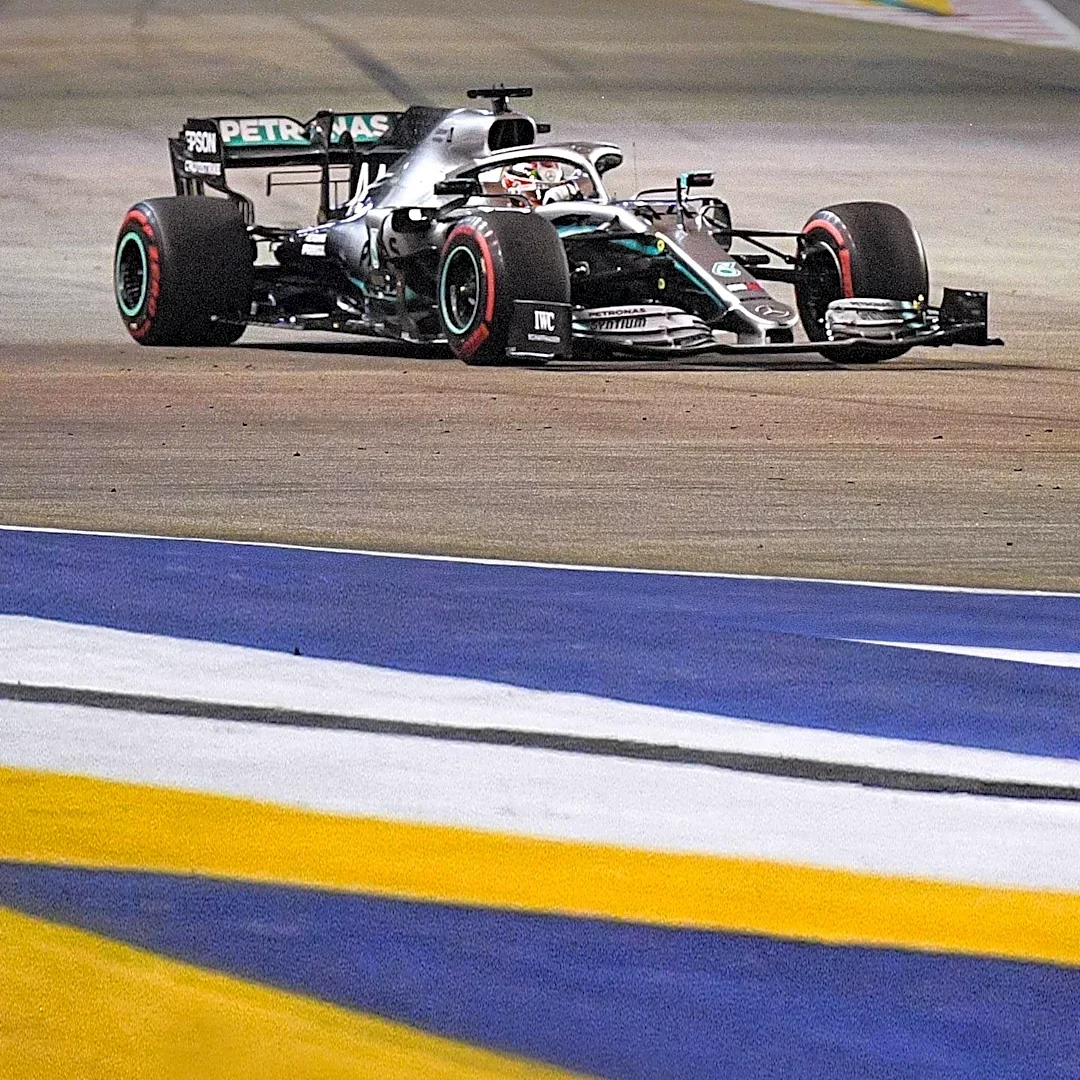
McLaren Racing is set to sell five fully-functioning, iconic Formula One cars, including vehicles famously driven by champions Lewis Hamilton and Ayrton Senna. The collection spans 32 years of McLaren's history and also features cars raced by Gerhard
Berger, Jenson Button, and Lando Norris. One of the cars, a 2023 McLaren MCL37A-03, was notably tested by Hollywood actor Brad Pitt for his role in 'F1 the Movie,' reaching speeds of 197 mph. The sale, managed by high-end dealer Tom Hartley Jr., is expected to generate tens of millions of dollars, with individual cars estimated to fetch between 5 million and 10 million pounds each. McLaren Racing CEO Zak Brown stated that the decision to sell these cars is to ensure they are driven and enjoyed, rather than remaining in storage, thereby keeping the team's history and heritage active.
Why It's Important?
This sale is significant for several reasons. Firstly, it represents a rare opportunity for collectors to acquire race-driven Grand Prix cars directly from the manufacturer, offering a unique piece of Formula One history. The high expected prices underscore the immense value placed on these vehicles, not just as engineering marvels but as artifacts associated with legendary drivers and pivotal moments in the sport. For McLaren, the sale generates substantial revenue, which can be reinvested into their racing operations, research and development, or other strategic initiatives. It also serves as a public relations event, highlighting McLaren's rich heritage and its contributions to Formula One. The involvement of Brad Pitt's test drive adds a pop culture dimension, potentially attracting a broader audience and further elevating the cars' mystique and value. This move also sets a precedent for how racing teams might manage and monetize their historical assets in the future.
What's Next?
The five iconic McLaren Formula One cars will be offered individually through Tom Hartley Jr., with no immediate time pressure for their sale. The priority for McLaren and the dealer is to find the right homes for these vehicles, implying a careful selection process for potential buyers. The sale will likely attract wealthy collectors, museums, and private investors from around the globe, eager to own a piece of motorsport history. The successful sale of these cars could encourage other Formula One teams to consider similar initiatives, potentially leading to a more active market for historical F1 machinery. The proceeds from the sale will undoubtedly influence McLaren's financial planning and investment strategies for upcoming seasons, potentially impacting their competitive standing in the sport.
Beyond the Headlines
The sale of these iconic Formula One cars delves into the deeper cultural and historical significance of motorsport. These vehicles are not merely machines; they are tangible representations of human ingenuity, athletic prowess, and the relentless pursuit of speed and victory. Owning such a car is akin to owning a piece of art or a historical artifact, connecting the owner directly to the legends who drove them and the moments they created. The decision by McLaren to sell these cars, rather than keep them in static display, reflects a philosophy that these machines were built to be dynamic and experienced, even if by private owners. This approach helps to preserve the 'living history' of the sport, allowing these engineering marvels to continue to be appreciated and, in some cases, even driven. It also highlights the growing intersection of sports, luxury collecting, and entertainment, as evidenced by Brad Pitt's involvement, broadening the appeal and perceived value of these unique assets.