






What's Happening?
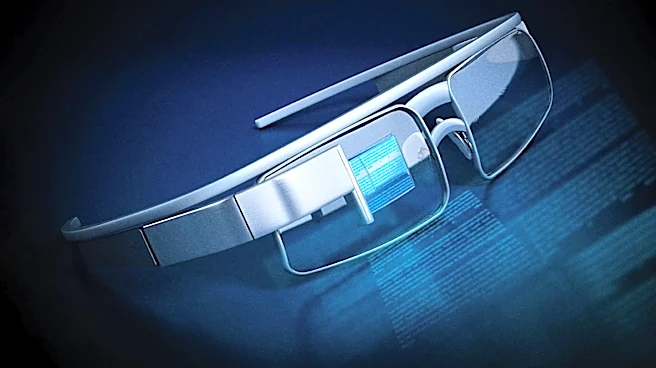
RayNeo has launched new AR glasses, the GT Max and Air 4 Pro, specifically engineered for long television viewing sessions. These glasses aim to improve the experience of watching foreign-language series by ensuring clear subtitle readability and offering
adjustable comfort. The GT Max model provides three virtual screen sizes (227, 267, and 307 inches) and features OptiCare eye protection with 3840Hz dimming, along with interchangeable nose pads for optimal screen centering. The Air 4 Pro focuses on adjustable fit with flexible temples, a 9-way adjustment system, and 3-position nose pads, offering a 201-inch virtual display. Both models utilize 1920 × 1080 Full HD Micro-OLED displays and include Movie and Eye Protection display modes. The design addresses common issues with AR glasses, such as subtitle placement and eye strain during prolonged use, by allowing users to customize screen size and fit to keep subtitles within an easy glance.
Why It's Important?
The introduction of these AR glasses by RayNeo signifies a notable advancement in personal entertainment technology, particularly for consumers who frequently engage in long-form content viewing, such as foreign-language series. The emphasis on clear subtitles and adjustable fit directly addresses key pain points for users, potentially making AR glasses a more viable and comfortable alternative to traditional TV screens for certain viewing habits. This development could expand the market for AR devices beyond gaming and professional applications, pushing it further into mainstream consumer electronics. For the entertainment industry, this technology could enhance content accessibility and immersion, especially for international productions. It also highlights a growing trend in tech to integrate advanced display solutions with user comfort and specific viewing needs, potentially influencing future product designs across the AR and VR sectors.
What's Next?
RayNeo's continued focus on user-centric design, particularly for extended viewing and subtitle clarity, suggests a future where AR glasses could become a more common personal display device. The company's approach to offering different models like the GT Max for binge-watching and the Air 4 Pro for flexible fit indicates a strategy to cater to diverse consumer preferences. Future iterations may see further improvements in display technology, battery life, and integration with various streaming platforms. The success of these models could also prompt other tech companies to invest more heavily in AR glasses designed for entertainment, potentially leading to increased competition and innovation in the market. Additionally, as AR technology becomes more refined, there could be broader applications in areas like education and remote work, leveraging the enhanced display and comfort features developed for entertainment.
Beyond the Headlines
Beyond the immediate benefits for TV viewers, the development of AR glasses with advanced eye protection and customizable fit raises broader implications for digital well-being. As screen time continues to increase across various devices, technologies that mitigate eye strain and discomfort become increasingly valuable. The OptiCare eye protection and high-frequency dimming features in RayNeo's glasses could set a new standard for display health in wearable tech. This focus on user health, alongside immersive viewing, reflects a growing awareness within the tech industry of the need to balance technological advancement with user welfare. Furthermore, the ability to customize the viewing experience, from screen size to subtitle placement, empowers users with greater control over their digital environment, potentially leading to more personalized and less fatiguing interactions with digital content.