





What's Happening?
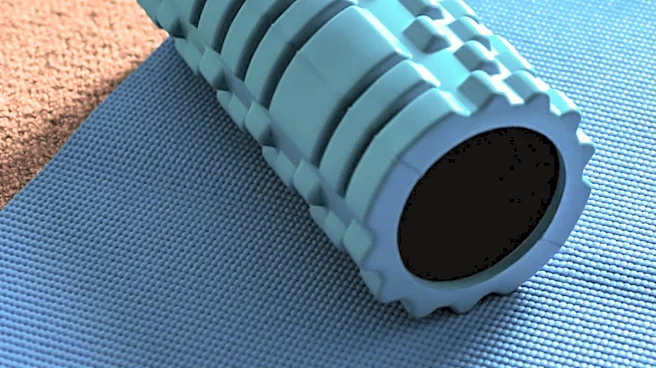
Foam rollers are widely used for self-massage, particularly targeting the legs, hips, and back to enhance flexibility and address common injuries such as Runner’s Knee, Quadriceps & Hamstring Strains, and Piriformis Syndrome. They are considered effective
for maintaining flexibility and integrating into general stretching routines. Different materials are available for foam rollers, with the Trigger Point Grid noted as one of the firmest options, providing a deeper stretch. Research indicates that while foam rolling can improve flexibility in the short term, its impact on reducing soreness, swelling, or strength loss after intense exercise is not significantly greater than resting. The practice involves applying sustained pressure to muscle and fascia, which helps reduce localized tension, warm the area, and increase the range of motion in nearby joints. The effectiveness of foam rolling is often tied to matching the roller's density to the specific muscle group being targeted, as firmer rollers can reach deeper tissue compared to softer ones.
Why It's Important?
The widespread use of foam rollers in fitness and recovery routines highlights a significant aspect of personal wellness and injury prevention in the U.S. The distinction between short-term flexibility gains and limited impact on post-exercise soreness is crucial for individuals and fitness professionals. This information can help consumers make more informed decisions about their recovery tools and manage expectations regarding their benefits. For the fitness industry, understanding these nuances can lead to more accurate marketing and instructional practices, ensuring that users are guided toward realistic outcomes. Athletes, dancers, and individuals engaging in regular physical activity can leverage foam rolling for flexibility maintenance, potentially reducing the incidence of certain musculoskeletal issues. However, relying solely on foam rolling for comprehensive post-exercise recovery might be insufficient, emphasizing the need for a multi-faceted approach to physical well-being that includes adequate rest and other recovery modalities.
What's Next?
As research continues to refine the understanding of foam rolling's benefits, future developments may focus on optimizing techniques and identifying specific scenarios where it offers the most significant advantages. There could be an increased emphasis on personalized foam rolling routines, tailoring density and application to individual needs and muscle groups. Educational programs for fitness enthusiasts and professionals might evolve to incorporate these research findings, promoting a more evidence-based approach to self-myofascial release. Manufacturers may also innovate by developing rollers with adjustable densities or more targeted designs to address specific muscle issues more effectively. Furthermore, the integration of foam rolling with other recovery methods, such as static stretching, is likely to be explored further to maximize overall flexibility and recovery outcomes.
Beyond the Headlines
The discussion around foam rollers extends beyond immediate physical benefits to broader implications for self-care and the consumer market. The concept of 'lymphatic drainage' rollers, often marketed as a distinct category, underscores how marketing trends can influence consumer perceptions, even when standard foam rolling already provides similar benefits related to circulation and waste product clearance. This highlights the importance of critical evaluation of product claims in the wellness industry. Ethically, it raises questions about responsible marketing and the need for transparency regarding product efficacy. Culturally, the popularity of foam rollers reflects a growing societal emphasis on proactive self-care and injury prevention, moving beyond reactive treatment. The accessibility and affordability of foam rollers also democratize access to recovery tools, allowing a wider population to engage in self-massage and flexibility work without requiring professional intervention.