






What's Happening?
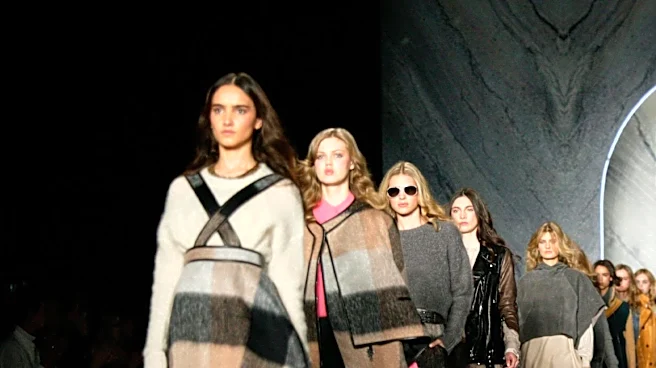
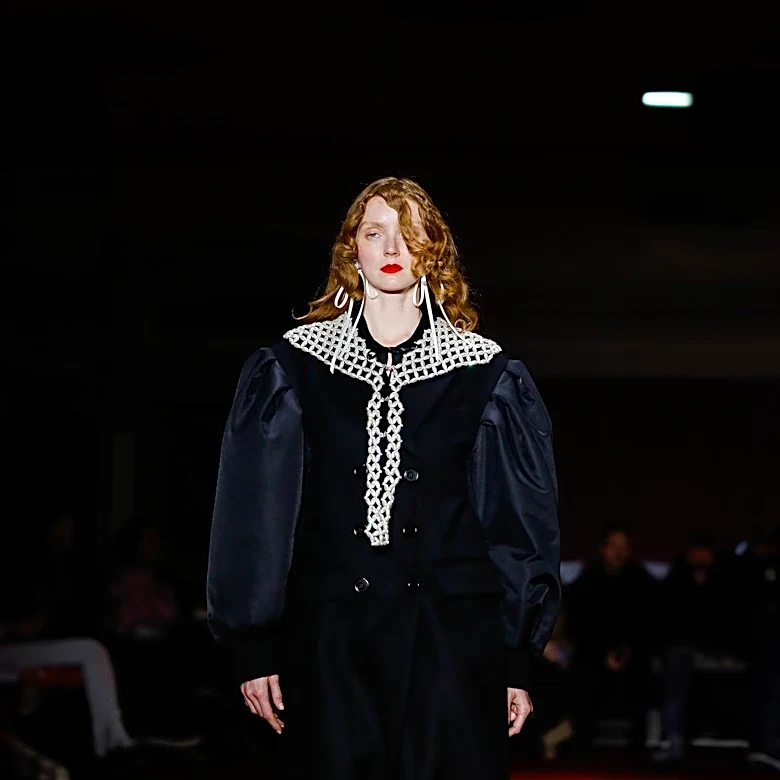
At Lagos Fashion Week 2026, the label Dust of the Earth, founded by Omolabake Temetan, presented a collection titled 'A Letter to Earth,' which prominently featured circular design principles. The brand specializes in reworking secondhand clothing and various
materials, including shoelaces and textile waste, into new fashion designs. This approach embeds sustainability directly into the garments rather than presenting it as a separate concept. The collection showcased this philosophy through a range of items such as striped overcoats, oversized knits, denim pieces, crochet work, and designs with slashed details. The significance of Dust of the Earth's presentation lies not just in giving discarded materials a new life, but in using them as the foundational starting point for innovative design possibilities, demonstrating how sustainability can drive creativity in fashion.
Why It's Important?
Dust of the Earth's showcase at Lagos Fashion Week highlights a growing trend in the global fashion industry towards circularity, which has significant implications for the U.S. market. As consumer demand for sustainable and ethically produced clothing increases, brands that effectively integrate circular design can gain a competitive edge. This approach challenges the traditional linear model of fashion production, which contributes heavily to waste and pollution. For U.S. designers and manufacturers, Dust of the Earth's model demonstrates a viable pathway for reducing environmental impact, fostering innovation in material sourcing and design, and appealing to a conscious consumer base. It also underscores the potential for upcycling and repurposing to create unique, high-value products, potentially stimulating new business models and supply chains within the U.S. fashion ecosystem.
What's Next?
The success and visibility of brands like Dust of the Earth could inspire more U.S. fashion companies to adopt similar circular design strategies. This might lead to increased investment in technologies and processes for textile recycling, upcycling, and material innovation. We could see a rise in collaborations between designers, textile recyclers, and waste management companies to create more robust circular supply chains. Fashion schools and design programs in the U.S. may also further integrate circular design principles into their curricula, training the next generation of designers to prioritize sustainability. Furthermore, as these practices become more mainstream, there could be a greater demand for certifications and labeling that clearly communicate a product's circular credentials to consumers, influencing purchasing decisions and market trends.
Beyond the Headlines
Beyond the immediate fashion trends, the work of Dust of the Earth points to a broader cultural shift in how value is perceived. By transforming discarded items into desirable fashion, the brand challenges the notion of 'waste' and promotes a culture of resourcefulness and creativity. This has ethical implications, encouraging a more responsible approach to consumption and production, and moving away from the disposability inherent in fast fashion. Legally, increased adoption of such practices could eventually lead to policy discussions around extended producer responsibility for textile waste in the U.S. Culturally, it fosters an appreciation for craftsmanship, uniqueness, and the story behind a garment, potentially shifting consumer preferences towards more meaningful and durable fashion choices rather than fleeting trends. It also highlights the global interconnectedness of sustainable fashion movements, with innovations from one region influencing practices worldwide.